Beneath the Courthouse
Sometimes the most interesting history is literally beneath our feet. Inside the New Castle Court House, this small glass opening in the floor reveals part of the foundation of the first courthouse built on this site in 1689.
The remains were discovered during renovations to the courthouse in the 1950s. Rather than covering them again, a portion was left visible, allowing visitors to look down into the earliest layer of the building’s history.
That first courthouse stood here from 1689 until 1729, when its history came to a dramatic end. At the time, a prisoner named William Kelsey was being held in the courthouse jail awaiting execution after being convicted of breaking and entering.
Kelsey managed to escape from his cell. Hoping to create enough confusion to allow him to get out of town, he used his candle to set fire to the courthouse. His plan was that the burning building would distract the townspeople while he made his escape. It didn’t work. Kelsey was recaptured, and the courthouse was destroyed by the fire. He was subsequently tried for arson and hanged in March 1730.
A new courthouse was constructed on the site beginning in 1730, creating the building that became the center of some of Delaware’s most important political and legal events. In 1776, representatives meeting here voted to separate from Pennsylvania and Great Britain, an important step in the creation of Delaware as an independent state.
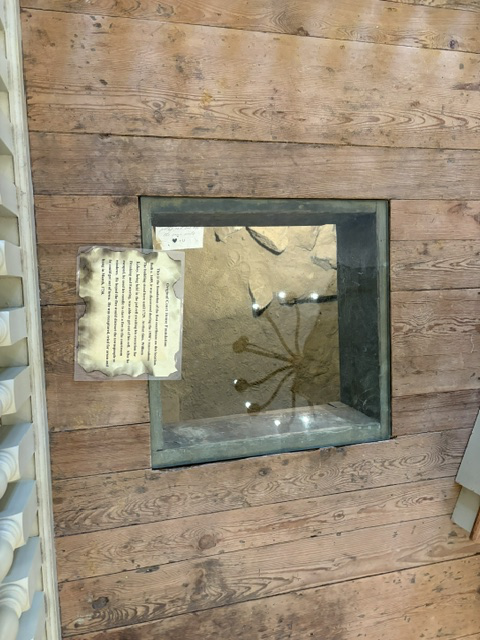
What makes this little window on the floor so interesting is that it takes us back even further. Beneath the eighteenth-century courthouse where Delaware history was made are the remains of its 1689 predecessor—and behind those stones is the remarkable story of a condemned prisoner, an escape, a deliberately set fire, and the destruction of New Castle’s first courthouse. Without this small opening in the floor, we could walk directly over that story and never know it was there.
Read More From Nancy
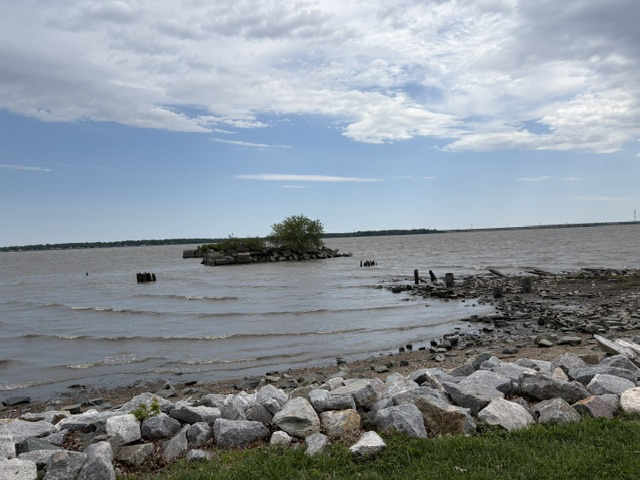
New Castle Harbor
As I walked along the waterfront in New Castle, it was difficult to imagine that this quiet shoreline was once one of the busiest harbors on the Delaware River. Today the river appears peaceful, but for nearly two centuries this waterfront welcomed sailing vessels carrying people, goods, and ideas between the American colonies and Europe. […]
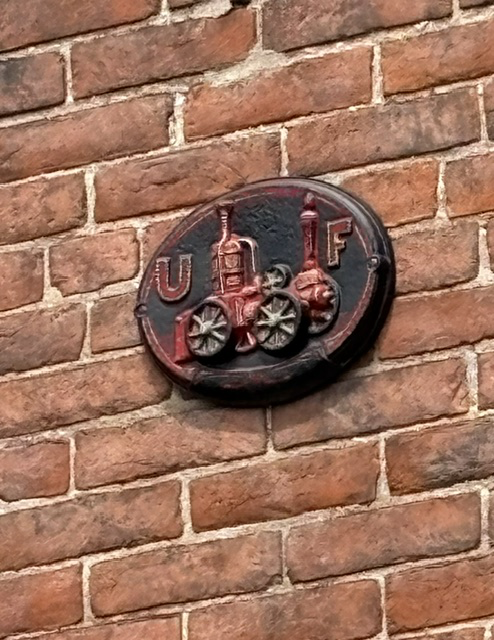
Union Fire Company
One of the things I enjoy most about exploring historic towns is noticing the small details that are easy to overlook. While walking through New Castle, I spotted this cast-iron plaque mounted high on the side of a brick building. At first I wasn’t sure what it represented, but I soon learned that it was […]
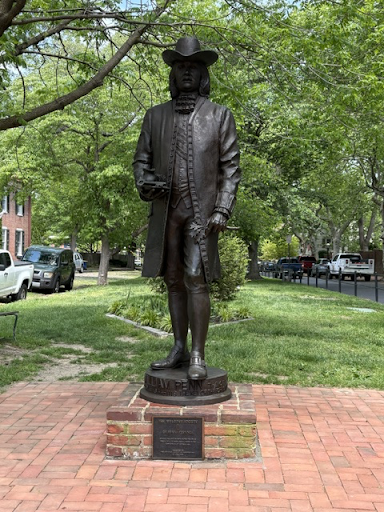
William Penn Statue
If you happened to miss the historic marker commemorating William Penn’s landing in New Castle, this statue would quickly remind you of the important role he played in the history of both Delaware and Pennsylvania. Standing on the New Castle Common, it honors the man whose arrival here in 1682 forever changed the future of […]

