Page from Anne Frank’s Friendship Book
Among the many objects preserved at the Anne Frank House in Amsterdam, this page from a friendship book is one of the most quietly powerful. It is not part of Anne Frank’s famous diary, nor does it describe the years she spent in hiding. Instead, it offers a glimpse into the ordinary world of childhood before that world was forever changed.
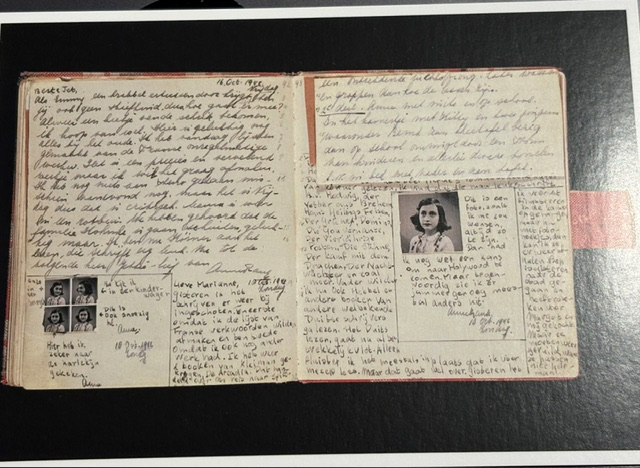
The book belongs to a tradition that was familiar to many Dutch schoolchildren. Known as a poëziealbum, or friendship book, these small albums were passed among classmates, friends, and family members, who filled their pages with handwritten verses, good wishes, signatures, and sometimes small photographs or illustrations. They became treasured keepsakes, preserving the friendships and memories of growing up.
What makes this page so moving is its simplicity. There are no references to war, persecution, or fear. Instead, it reflects the everyday experiences of schoolchildren who exchanged kind words and photographs, believing they were creating a souvenir of their childhood together. Like countless children before and since, they could not have imagined that these ordinary pages would one day become museum pieces.
Anne herself treasured friendship books. In her diary she mentions having her own poëziealbum, but that album was lost during the war. The Anne Frank House has preserved several friendship books belonging to Anne’s classmates that contain verses written by Anne, providing a rare glimpse into her life before she went into hiding. These surviving albums reveal an outgoing schoolgirl whose days were filled with classmates, friendships, and the ordinary routines of growing up.
A friendship book was never intended to become a museum artifact. It was simply a child’s collection of memories, created one handwritten message at a time. Yet today, these pages speak with remarkable clarity. They remind us that before Anne Frank became known around the world through her diary, she was first a young girl surrounded by friends, collecting the same keepsakes that children have cherished for generations
Read More From Nancy
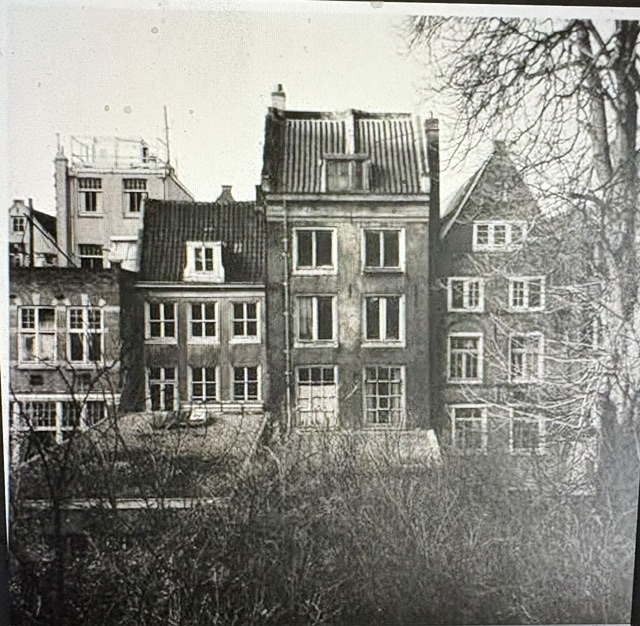
The Anne Frank House
During our time in Amsterdam, one of the places I wanted to understand was the Anne Frank House. This historic photograph caught my attention because it shows the back of the house in 1954, only nine years after the end of World War II and before the building had been preserved as a museum. Anne […]
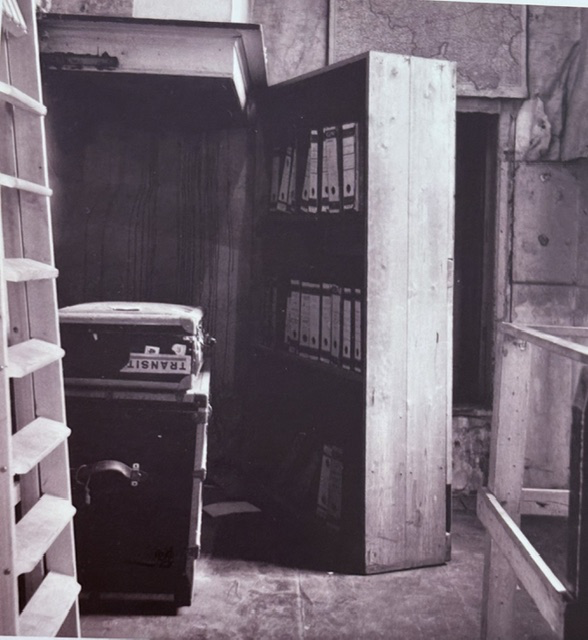
Anne Frank and the Secret Annex
In the summer of 1942, an ordinary doorway inside an Amsterdam business concealed an extraordinary secret. Behind it were rooms in the rear annex of the building at 263 Prinsengracht, where Otto and Edith Frank and their daughters, Margot and Anne, went into hiding from the Nazi persecution of the Jewish people. The entrance initially […]

