Canal Ring
One of the highlights of our visit to Amsterdam was taking a boat tour through the city’s historic canals. Viewing Amsterdam from the water offered a completely different perspective. As we glided beneath centuries-old bridges and past rows of elegant canal houses, it became easy to understand why the city’s waterways are considered one of the greatest achievements of urban planning in history.
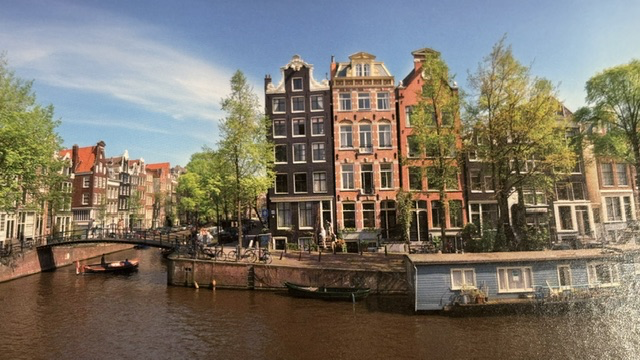
Amsterdam’s Canal Ring, known as the Grachtengordel, was developed during the Dutch Golden Age beginning in 1613. As the city became one of the world’s leading centers of commerce, civic leaders designed an ambitious expansion that combined transportation, flood control, and residential development into a carefully planned network of canals. The three principal canals: Herengracht (Gentlemen’s Canal), Keizersgracht (Emperor’s Canal), and Prinsengracht (Prince’s Canal), formed concentric rings around the medieval city, creating neighborhoods that remain largely unchanged more than four hundred years later. In 2010, UNESCO recognized the Canal Ring as a World Heritage Site for its outstanding example of seventeenth-century urban planning.
The canal houses lining the waterways are among Amsterdam’s most recognizable landmarks. Built on thousands of wooden piles driven deep into the soft, waterlogged ground, these narrow buildings reflect both engineering ingenuity and economic necessity. During the seventeenth century, property taxes were based largely on the width of a building’s frontage, encouraging merchants to build tall, narrow homes that extended deep into their lots. Decorative gables identified the wealth and status of the owners, while the large beams and hooks projecting from the rooflines were used to hoist furniture and merchandise through the upper-story windows because the interior staircases were too narrow for large items.
The canals were much more than picturesque waterways. They formed the commercial lifeblood of Amsterdam. Ships carrying spices, textiles, timber, grain, and goods from across Europe, Asia, Africa, and the Americas could unload their cargo near merchants’ warehouses, helping transform the city into one of the wealthiest trading centers of the seventeenth century. The wealth generated through this commerce fueled the Dutch Golden Age, supporting artists such as Rembrandt and Vermeer, advances in science, and innovations in finance and navigation.
Four centuries after they were constructed, Amsterdam’s canals continue to serve the city while preserving its unique character. What began as an ambitious engineering project has become one of the world’s most recognizable urban landscapes, reminding visitors that thoughtful planning can create a city that is both practical and beautiful for generations to come.
Read More From Nancy

Page from Anne Frank’s Friendship Book
Among the many objects preserved at the Anne Frank House in Amsterdam, this page from a friendship book is one of the most quietly powerful. It is not part of Anne Frank’s famous diary, nor does it describe the years she spent in hiding. Instead, it offers a glimpse into the ordinary world of childhood […]
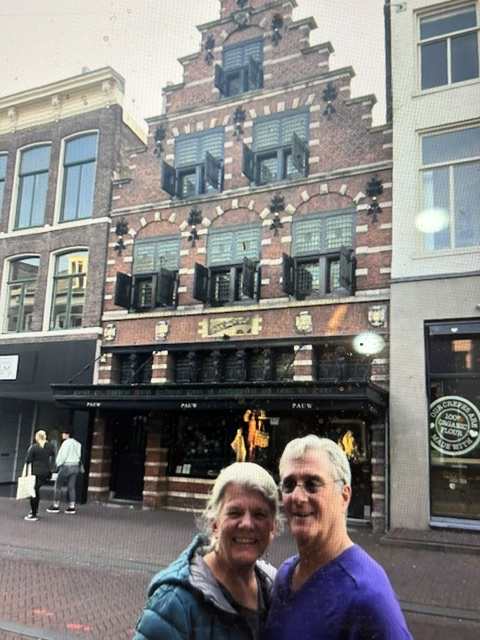
Historic Stepped-Gable Building
Haarlem is known for its narrow houses and distinctive gabled rooflines, but some buildings command more attention than others. This richly decorated brick building combines a traditional stepped gable with projecting windows, patterned masonry and numerous carved and ornamental details. The alternating bands of red brick and pale stone create strong horizontal lines across the […]

