Historic Stepped-Gable Building
Haarlem is known for its narrow houses and distinctive gabled rooflines, but some buildings command more attention than others. This richly decorated brick building combines a traditional stepped gable with projecting windows, patterned masonry and numerous carved and ornamental details.
The alternating bands of red brick and pale stone create strong horizontal lines across the façade. Dark projecting windows provide contrast, while their small leaded-glass panes recall an earlier style of Dutch craftsmanship. Sculpted faces, decorative shields, stone accents and ornamental ironwork fill the spaces between the windows, giving the building an unusually elaborate appearance.
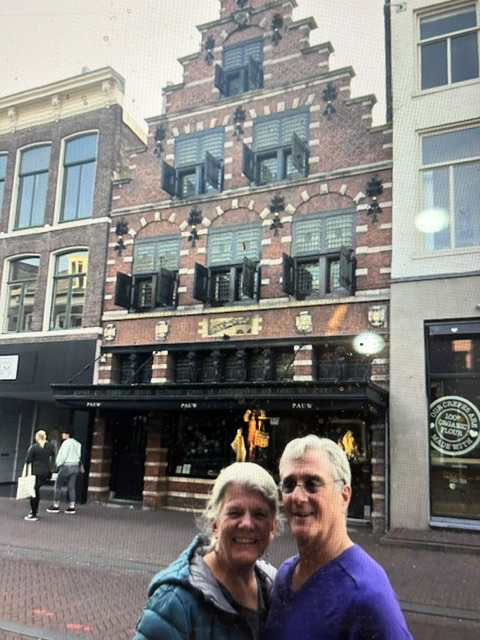
Stepped gables became a defining feature of Dutch architecture during the sixteenth and seventeenth centuries. They concealed the steeply pitched roofs behind them while also giving property owners an opportunity to distinguish their buildings. The style was later revived and adapted, so without identifying this particular building, its exact age cannot be determined from its appearance alone.
The ground floor now serves as commercial space, continuing Haarlem’s long tradition of combining business and daily life within the same building. Above the modern storefront, the ornate façade preserves the character of an earlier architectural age.
It was the kind of building that made us stop in the middle of an ordinary walk. Its craftsmanship, color and abundance of detail represented one of the enduring pleasures of Haarlem: history remaining visible within the life of the modern city.
Read More From Nancy
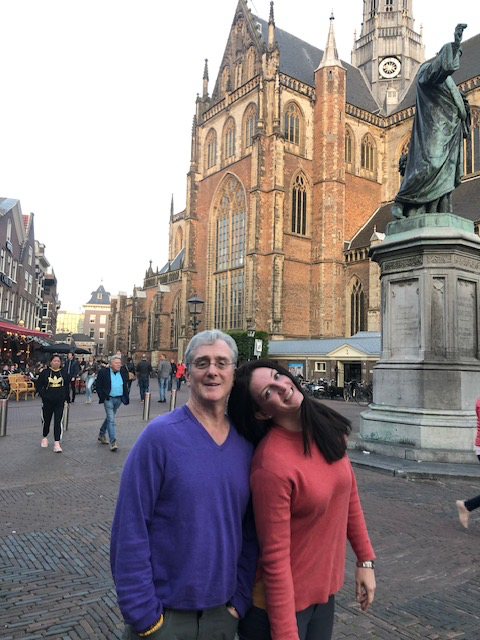
Grote Markt and the Grote Kerk of St. Bavo
The Grote Markt has served as the heart of Haarlem for centuries. Surrounded by historic buildings, shops and gathering places, the square reflects the city’s long history as a center of commerce, civic life and religious activity. Its most commanding landmark is the Grote Kerk, also known as the Church of St. Bavo. The present […]
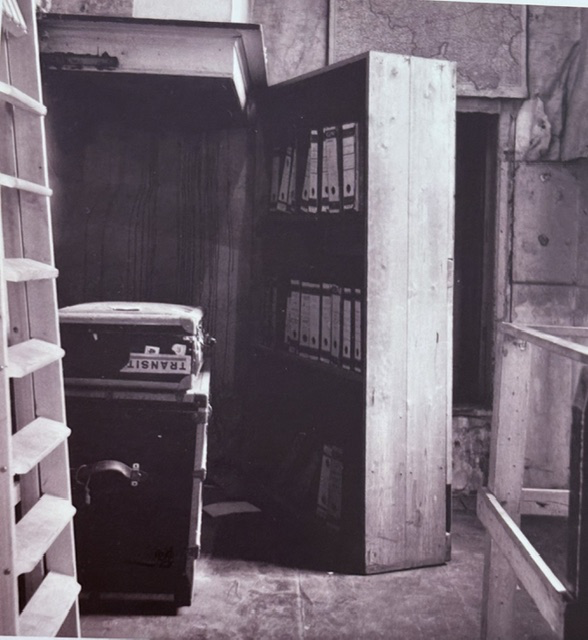
Anne Frank and the Secret Annex
In the summer of 1942, an ordinary doorway inside an Amsterdam business concealed an extraordinary secret. Behind it were rooms in the rear annex of the building at 263 Prinsengracht, where Otto and Edith Frank and their daughters, Margot and Anne, went into hiding from the Nazi persecution of the Jewish people. The entrance initially […]

