The John Nelson House
When most people visit Minute Man National Historical Park, they come to experience the events of April 19, 1775. Yet scattered throughout the park are homes that tell another story: the story of what happened after the Revolution. The John Nelson House is one of them.
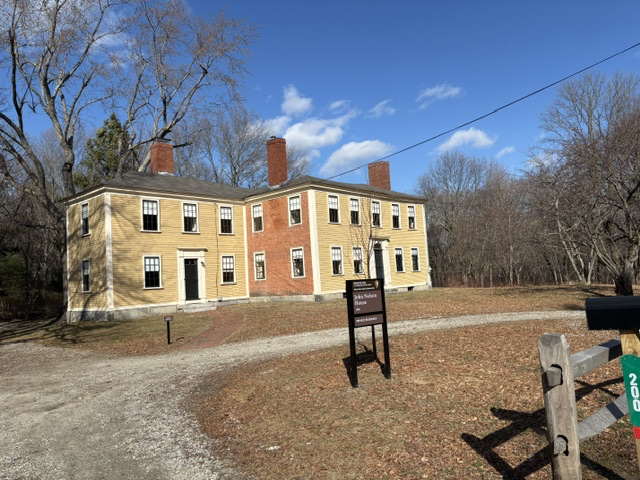
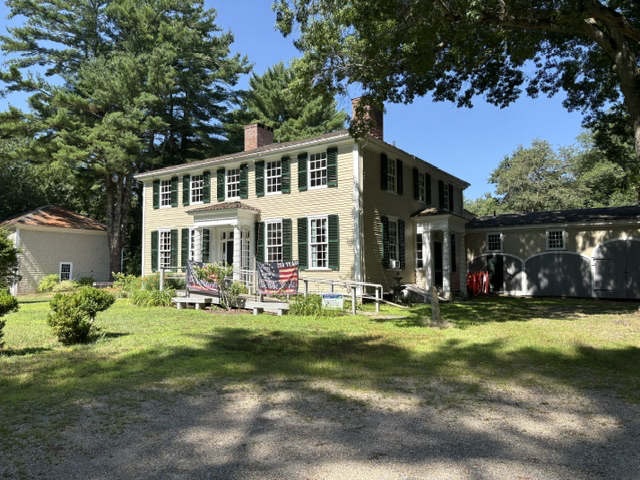
Built beginning around 1808, the house stands on land that had been owned by the Nelson family since the eighteenth century. Rather than replacing the family’s earlier farmhouse, John and his brother, Josiah Nelson Jr., incorporated an existing eighteenth-century structure into a much larger Federal-style home, creating the impressive residence that stands today. The house reflects a period of growing confidence and prosperity in the young United States, when successful farm families expanded their homes to accommodate changing needs and growing generations.
The Nelson family had already become part of the area’s history long before this house was built. Their farm lay along what is now known as Battle Road. On April 19, 1775, British soldiers marched past the family property as they advanced toward Concord and again during their difficult retreat to Boston. The Nelsons witnessed the birth of a nation from their own fields, yet the house we see today represents what came afterward: the rebuilding of ordinary life following extraordinary events.
John Nelson was a carpenter by trade, and that skill is evident throughout the house. Historians have discovered an unusually complete collection of bills and receipts documenting its construction, allowing us to understand not only what was built but how it was built. The house is considered an excellent example of an early nineteenth-century Federal-style farmhouse, notable for its balanced proportions, restrained ornamentation, and distinctive brick end walls, an uncommon feature in rural Massachusetts homes of the period.
The John Nelson House reminds us that history did not end when the fighting stopped. In many ways, the more enduring story was just beginning. Here, along the same road where soldiers once marched, a family looked not toward war but toward the future. They expanded their home, cultivated their land, and quietly demonstrated what the Revolution had ultimately been about: the opportunity to build a life in a nation of their own.
Today, the house stands as more than an architectural treasure. It is a reminder that the history of America was shaped not only by famous battles and celebrated leaders but also by ordinary families whose work, perseverance, and optimism carried the country forward long after the smoke of revolution had cleared.
Read More From Nancy
The Oliver Estate
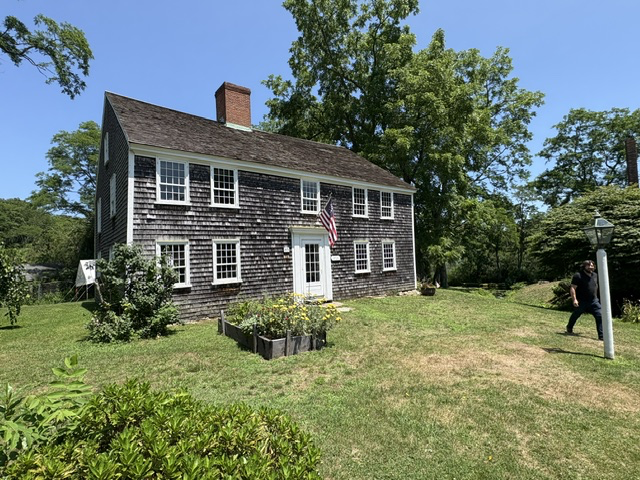
On my way home from our camping trip to Plymouth, I made a side trip to Middleborough specifically to visit the Oliver Estate. I had learned that this was the home of one of Massachusetts’s prominent Loyalist families, and I wanted to understand more about the people who chose to remain loyal to the Crown […]
Frederick Law Olmsted National Historic Site
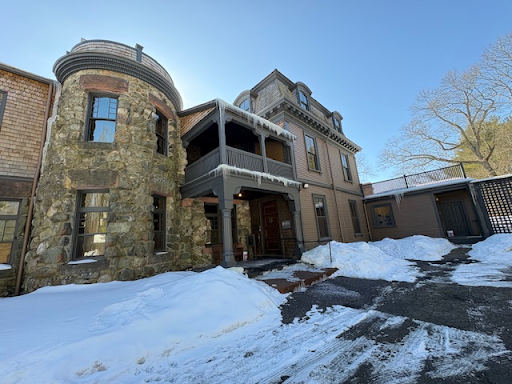
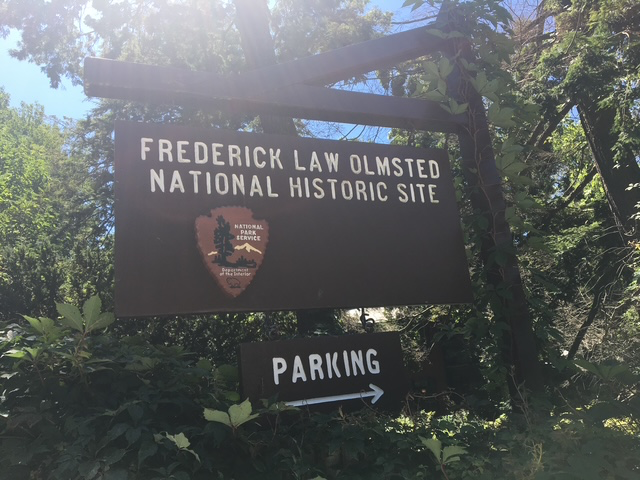
The first time I visited the Frederick Law Olmsted National Historic Site in Brookline, everything was new to me: his name, his work, even the realization that so many landscapes I had walked through carried the imprint of one mind. I did not grow up knowing who Frederick Law Olmsted was. I knew about parks. […]
W.E.B. Du Bois Boyhood Homesite
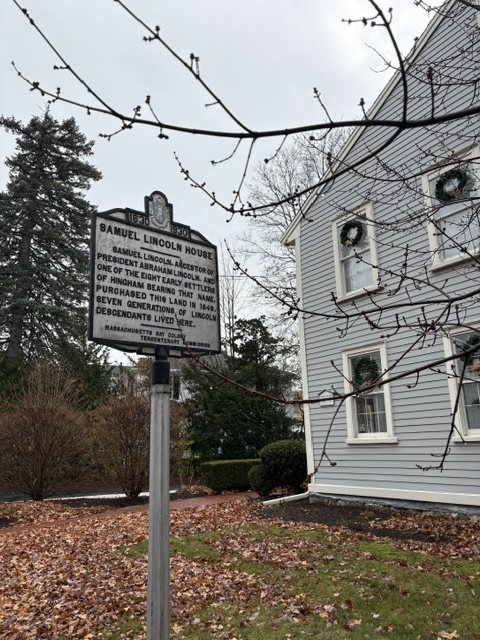
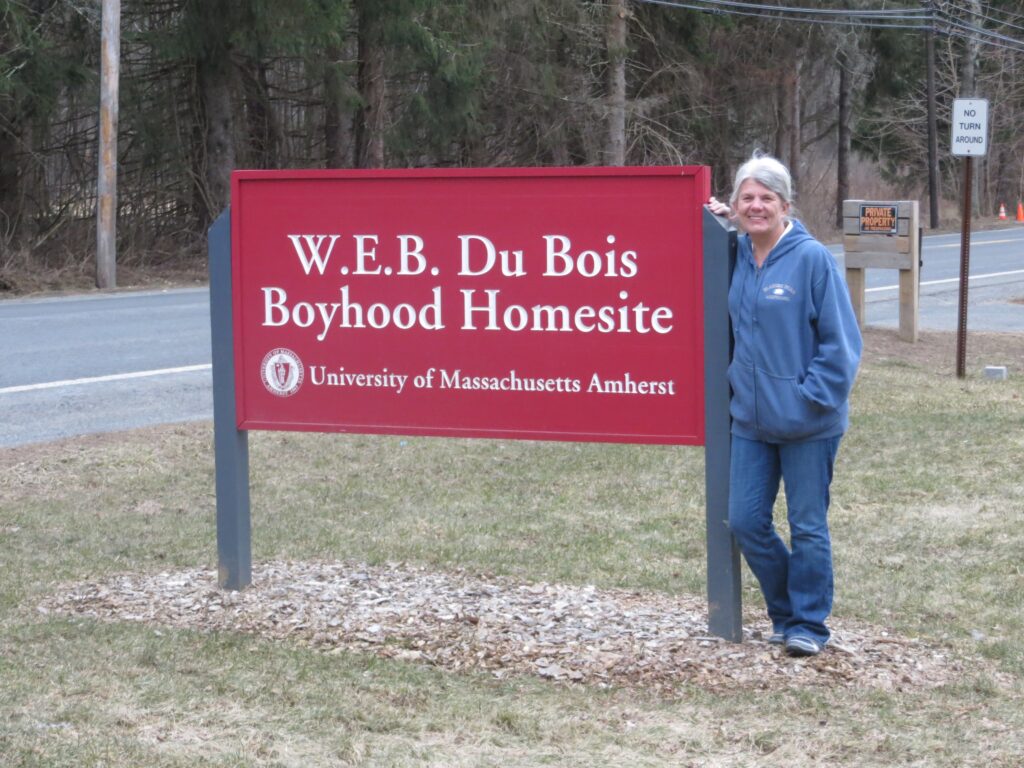
While exploring the Berkshires, we made a stop at the W. E. B. Du Bois Boyhood Homesite near Great Barrington, Massachusetts. Although little remains of the house itself, the site marks the place where one of America’s most important intellectuals, writers, and civil rights leaders spent his early years. Standing by the sign, it was remarkable to […]

