Root Cellars of Elliston
Standing outside one of the famous root cellars in Elliston, Newfoundland, Marty is about to step into a piece of everyday history. These modest stone buildings played an essential role in the lives of Newfoundland families for generations. Long before electricity and refrigeration, root cellars provided a cool, stable environment where potatoes, turnips, carrots, cabbages, and other vegetables could be stored safely throughout the long winter months.
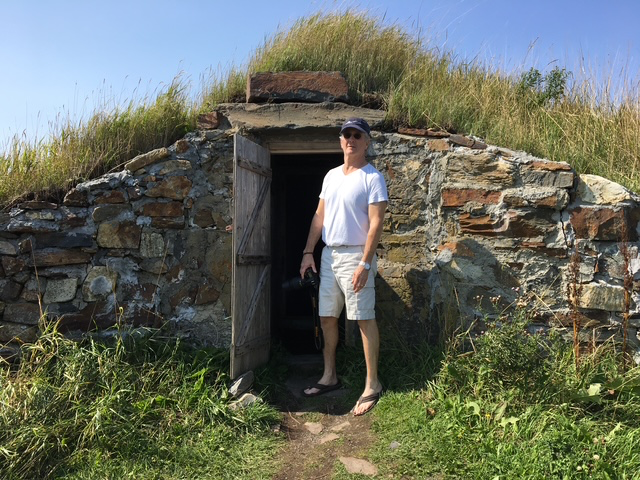
Elliston is home to more than 130 surviving root cellars, earning it the title of the “Root Cellar Capital of the World.” Most were built during the nineteenth and early twentieth centuries using locally gathered stone, timber, and sod. Partially buried in the earth, they relied on the natural insulating properties of the ground to maintain a consistent temperature, protecting food from both freezing and spoilage.
For families living in Newfoundland’s isolated outport communities, a well-stocked root cellar meant security. Winter storms often made travel impossible, and supplies from outside the community could not be counted on. These simple structures allowed families to preserve the harvest and remain self-sufficient until spring returned.
Walking through Elliston, the root cellars blend naturally into the rolling landscape, looking almost as if they have grown out of the hillside. Many are still cared for by local families, and some continue to serve their original purpose. They are a reminder that history is not found only in grand public buildings or famous landmarks. Sometimes it is preserved in the practical structures that quietly sustained everyday life and helped generations of people thrive in one of North America’s most rugged environments.
Read More

Read More From Nancy
Bell Island
While visiting Newfoundland, Marty and I made our way to Bell Island to take a tour of the mines. From the outside, the island is quiet, with coastal views, open sky and a sense of distance from everything else. But stepping into the mines reveals a different story. Bell Island was once one of the most […]
Mistaken Point Ecological Reserve
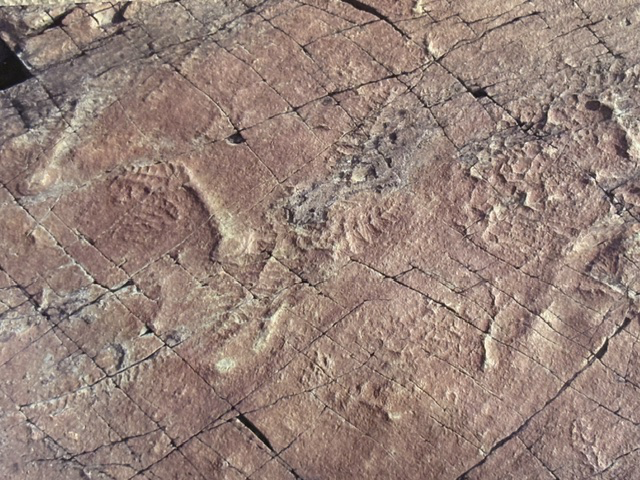
Mistaken Point Ecological Reserve in Newfoundland tells a story far older than humanity itself. During a visit in Newfoundland, Marty and I made the drive to this remote site to see one of the world’s most important fossil discoveries. The fossils preserved at Mistaken Point are approximately 565 million years old and represent some of the earliest known complex […]

