Tupelo National Battlefield
Tupelo National Battlefield in Tupelo, Mississippi, commemorates one of the lesser known but strategically important battles of the Civil War. Established as a unit of the National Park System in 1971, it preserves the story of the Battle of Tupelo, fought on July 14–15, 1864.
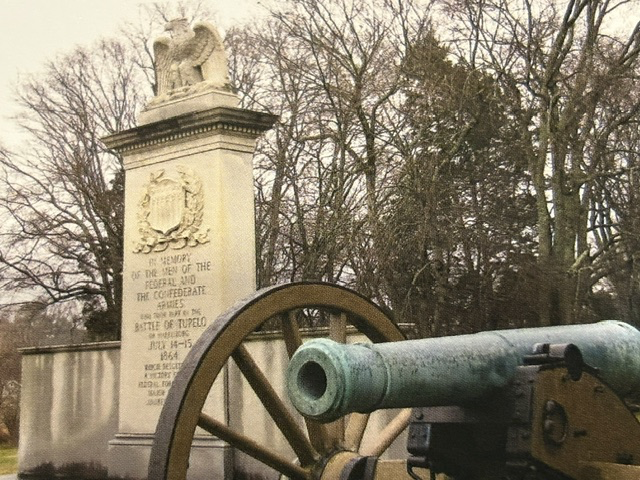
While exploring Mississippi, we made a point of visiting this battlefield. Like many Civil War sites, it is easy to overlook if you are simply driving through the area. Yet the events that unfolded here had consequences far beyond the fields where the fighting took place.
During the summer of 1864, Union forces under Major General Andrew J. Smith advanced into northern Mississippi to prevent Confederate cavalry led by Major General Nathan Bedford Forrest from disrupting General William T. Sherman’s supply lines. Those railroads were essential to Sherman’s campaign toward Atlanta and protecting them became a Union priority.
The battle ended in a Union victory. Although neither side achieved a decisive military breakthrough, the Confederate forces were prevented from carrying out their mission. With the railroads secured, Sherman was able to continue his advance into Georgia, a campaign that would become one of the defining operations of the Civil War.
Standing on the battlefield, I was reminded that history is often shaped by events that receive little attention in our history books. Gettysburg and Antietam are familiar names, but battles like Tupelo also influenced the course of the war. Success here helped preserve the Union’s momentum during one of the conflict’s most critical periods.
Visiting Tupelo National Battlefield reinforced an important lesson for me. History is not shaped only by the famous places everyone knows. Sometimes it is the quieter battlefields, visited by relatively few people today, that played a crucial role in determining the outcome of events that changed the course of our nation’s history.

Read More From Nancy
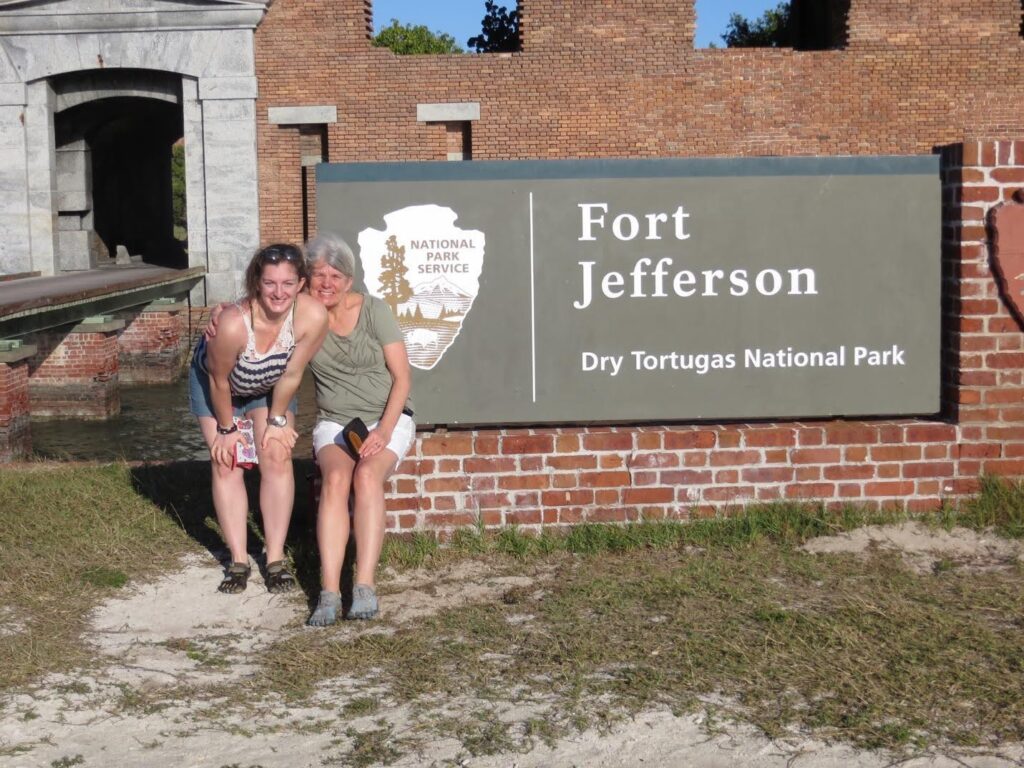
Dry Tortugas National Park
What an adventure it was to reach Fort Jefferson in the Dry Tortugas. I made this journey with Erin in 2012, as a way to celebrate our birthdays. This was an unforgettable trip to one of the most remote places in the National Park System. Located about 70 miles west of Key West, the Dry Tortugas sit […]
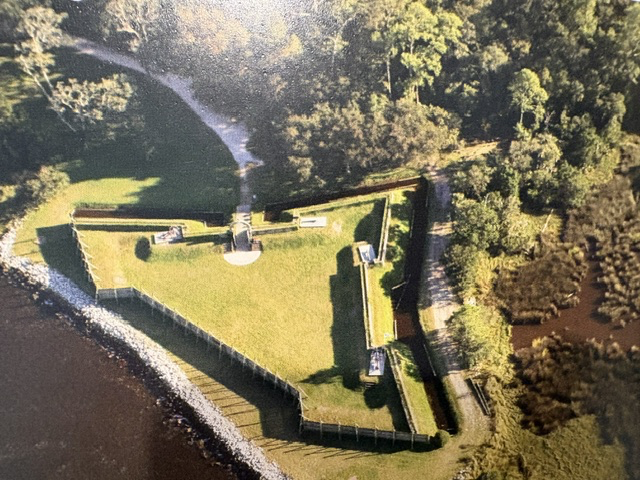
Fort Caroline National Memorial
Fort Caroline National Memorial preserves the story of France’s attempt to establish a permanent colony in Florida during the 16th century. In 1564, an expedition led by René Goulaine de Laudonnière constructed a triangular fort near the St. Johns River. The settlement was named La Caroline in honor of France’s King Charles IX. Many of […]
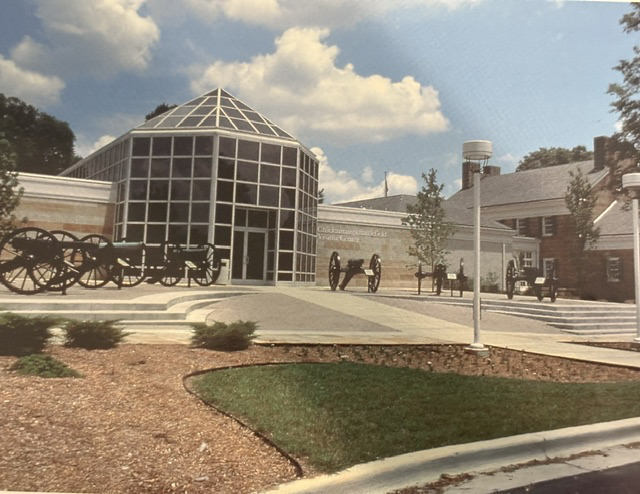
Chickamauga and Chattanooga National Military Park
Every national park tells a story, but Chickamauga and Chattanooga National Military Park occupy a unique place in the history of the National Park System. Established by Congress on August 19, 1890, and signed into law by President Benjamin Harrison, it became the first national military park in the United States. More than simply preserving […]

