Ninety Six National Historic Site
Ninety Six National Historic Site in Ninety Six, South Carolina, preserves one of the most significant yet least-known battlefields of the American Revolution. Established as a National Historic Site in 1976, it tells the story of a frontier settlement where Native Americans, settlers, Loyalists, and Patriots all struggled for control of the South Carolina backcountry.
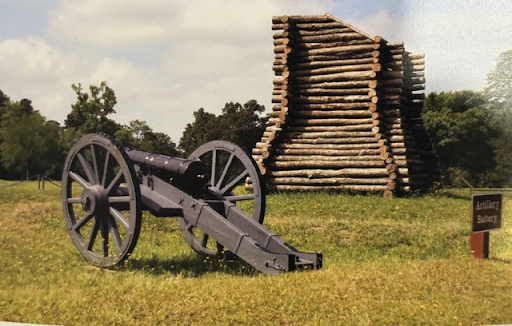
Long before the Revolutionary War, this area was an important crossroads for trade between European settlers and the Cherokee Nation. As settlement expanded into the frontier, tensions increased over land and influence, making Ninety Six an important strategic location long before the first shots of the Revolution were fired.
In November 1775, the first land battle of the American Revolution south of New England was fought here. A few years later, the British recognized the town’s importance and built an impressive earthen star fort to protect one of their strongest inland outposts.
The most famous event in the park’s history came in the spring of 1781, when Major General Nathanael Greene led nearly 1,000 Patriot soldiers in a twenty-eight-day siege against approximately 550 Loyalist defenders. Although Greene’s forces fought with determination, British reinforcements forced him to abandon the siege, making it the longest unsuccessful siege of the Revolutionary War.
Walking through the remains of the Star Fort and the reconstructed earthworks, it is easy to appreciate how difficult these battles must have been. The soldiers fought under intense heat, with limited supplies and little certainty about the outcome. Looking across the quiet fields today, it is hard to imagine the desperation and courage that once defined this landscape.
One of the things I have learned through my travels is that many of the places that shaped American history are not the ones we hear about most often. Before visiting Ninety Six, I knew very little about its role in the Revolution. Yet this frontier town played an important part in the struggle for independence and reminds us that the fight for freedom extended far beyond Lexington, Concord, and Yorktown. Sometimes the lesser-known places provide the greatest opportunity to deepen our understanding of the nation’s story.

Read More From Nancy
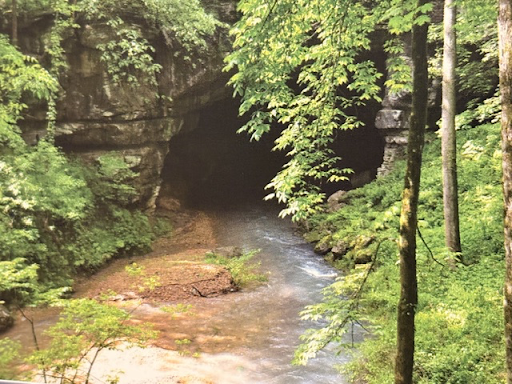
Russell Cave National Monument
Long before cities, highways, and even recorded history, people found shelter beneath this massive limestone cave entrance. Russell Cave is one of the most important archaeological sites in the southeastern United States. Evidence found within the cave reveals that people used it as a shelter for nearly 10.000 years. Archaeologists have uncovered thousands of artifacts that […]
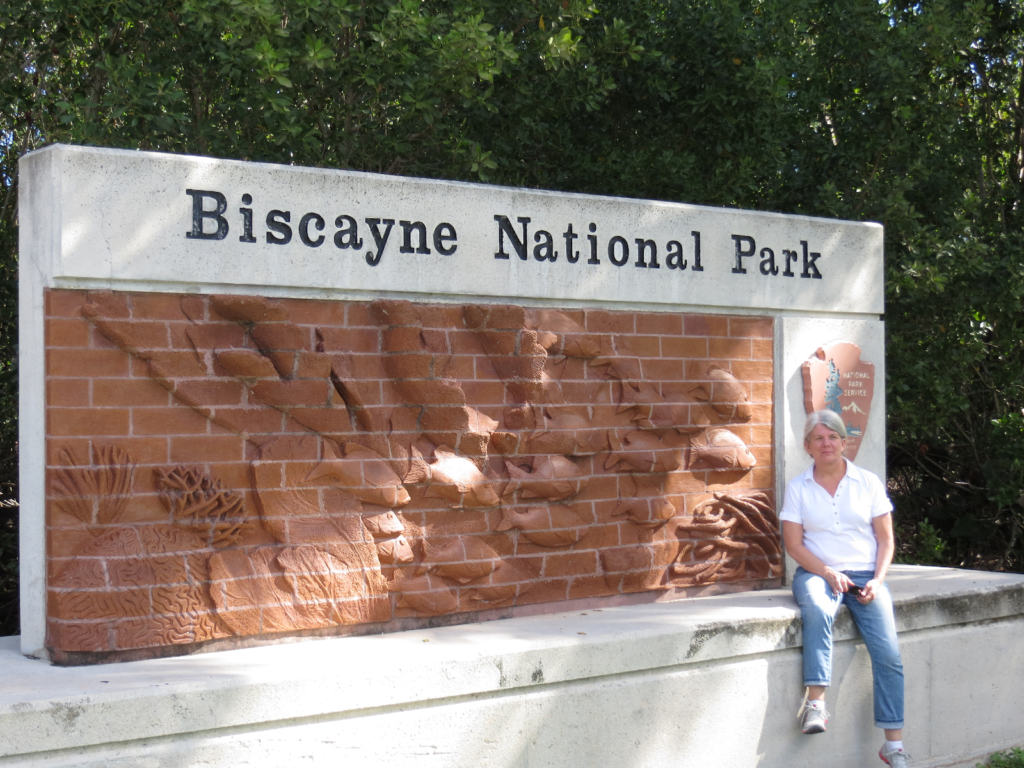
Biscayne National Park
Just south of Miami’s skyline lies a park that is nearly entirely water. Biscayne National Park was established in 1980 by President Jimmy Carter to protect one of the most fragile ecosystems in the country: mangrove shorelines, seagrass beds, coral reefs and the northernmost keys of the Florida Reef Tract. Nearly 95% of the park is […]
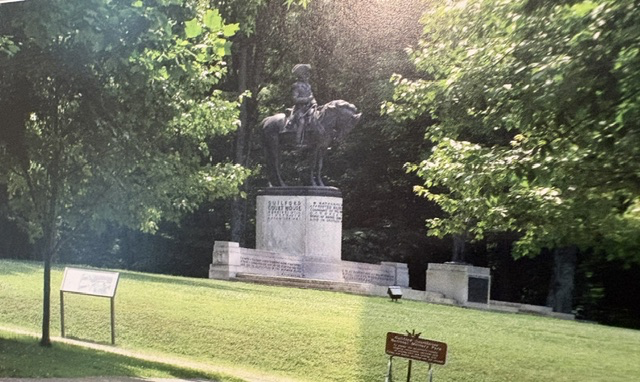
Guilford Courthouse National Military Park
One of the great privileges of traveling across the United States has been visiting our National Parks. While many people immediately think of spectacular mountains, canyons, or seashores, the National Park Service also preserves places where the course of American history was changed. Guilford Courthouse National Military Park in Greensboro, North Carolina, is one of […]

