The Morgan Library and Museum
One of our favorite places to visit in New York City is the Morgan Library & Museum. Originally built as the private library of financier J. Pierpont Morgan between 1902 and 1906, it reflects both his extraordinary wealth and his passion for collecting some of the world’s greatest books, manuscripts, artwork, and historical treasures.
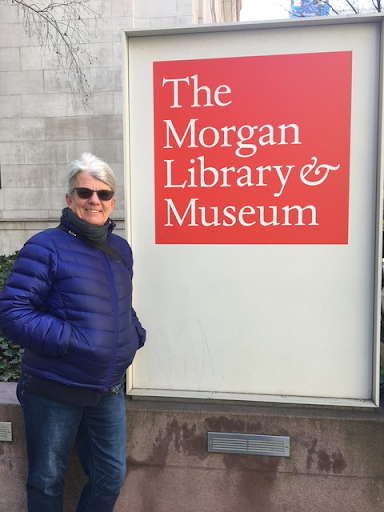
The library was built immediately beside Morgan’s New York home, allowing him to walk directly from his residence into this remarkable space. It was never intended to be a public museum. Instead, it was his personal retreat, a place to read, conduct business, entertain guests, and surround himself with some of the finest books and works of art ever assembled. After Morgan’s death in 1913, his son, J. P. Morgan Jr., fulfilled his father’s vision by opening the library to scholars and the public.
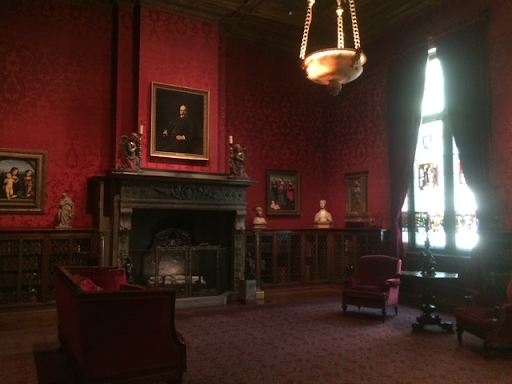
Walking through the library is an experience in itself. Floor-to-ceiling bookshelves, richly decorated ceilings, ornate fireplaces, and beautifully crafted woodwork remind visitors that this was not simply a place to store books. It was built to celebrate knowledge, history, and culture. Morgan assembled one of the finest private collections in the world, including medieval illuminated manuscripts, Gutenberg Bibles, original music manuscripts, rare, printed books, and priceless works of art.
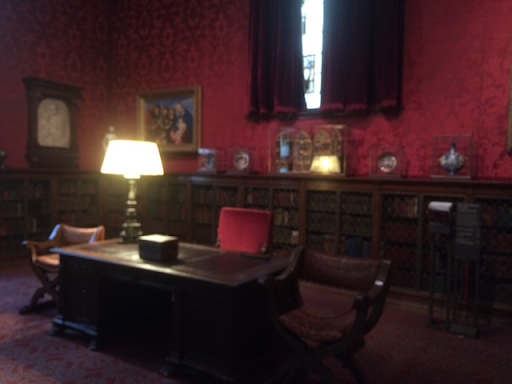
Yet one room has always fascinated me more than the collections themselves. Morgan’s study was the setting for one of the most important financial meetings in American history. During the Panic of 1907, J. P. Morgan gathered the nation’s leading bankers in this room to prevent the collapse of the American financial system. Working through the crisis from his library, Morgan organized loans, persuaded reluctant bankers to cooperate, and helped restore confidence in the nation’s economy. His leadership during those critical days demonstrated the enormous influence one individual could have before the creation of the Federal Reserve.
Another story that makes the Morgan Library so remarkable is that of Belle da Costa Greene. Morgan hired her as his personal librarian, and she became one of the world’s foremost authorities on rare books and manuscripts. It was Belle who helped build many of the extraordinary collections visitors enjoy today. Years after her death, historians learned that she was born into an African American family and chose to pass as white during a time when racial prejudice would likely have prevented her from holding such an influential position. Her intelligence, expertise, and determination helped shape one of the greatest libraries in the world, yet for much of her life she carried a secret that reflected the realities of her era.
As impressive as the books and artwork are, it is the history that unfolded within these walls that keeps drawing me back. The Morgan Library reminds us that history is found in the rooms where decisions were made that shaped a nation and in the lives of remarkable individuals whose contributions were not always fully recognized. Every visit seems to uncover another story waiting to be discovered.
Read More From Nancy
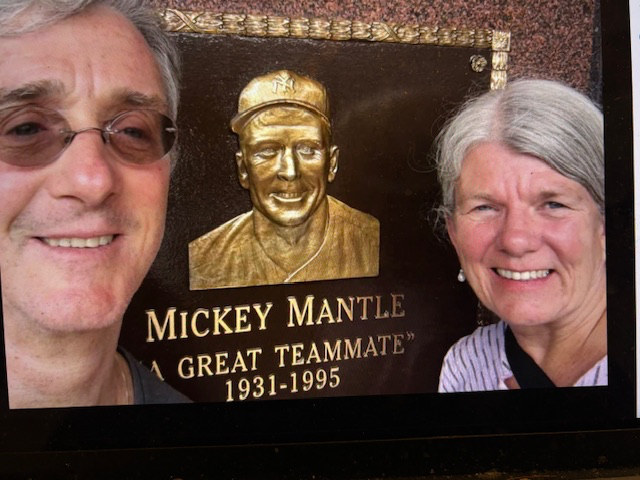
Mickey Mantle
One Father’s Day, I surprised Marty with a tour of the new Yankee Stadium. Having grown up in New York, he had spent many afternoons in the original Yankee Stadium cheering on his beloved Yankees. While he wasn’t convinced that touring the new stadium would be the same experience, he agreed to give it a […]
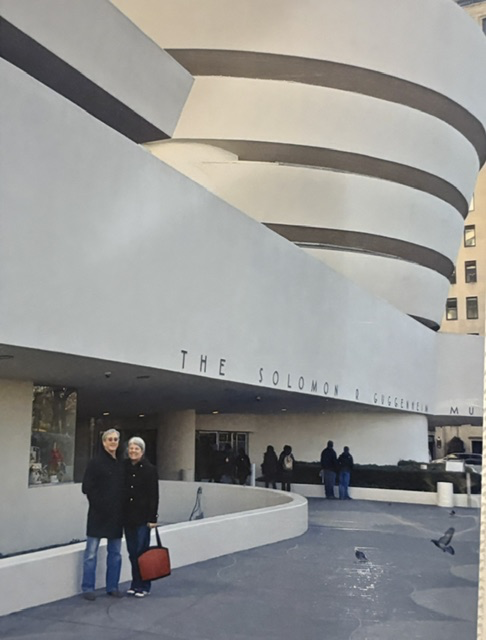
Guggenheim Museum
There are museums we visit because of what is hanging on the walls, and then there are museums where the building itself is part of what we have come to experience. The Solomon R. Guggenheim Museum in New York City is certainly one of those places. What makes a visit to the Guggenheim so distinctive […]
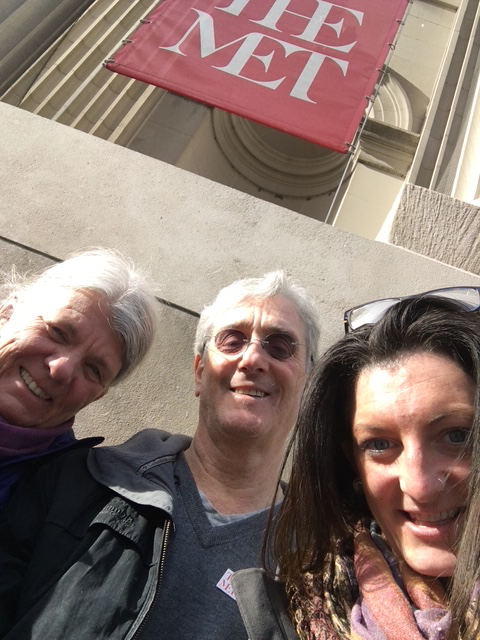
The Metropolitan Museum of Art
The Metropolitan Museum of Art has been part of many of our visits to New York City over the years. Sometimes we have gone for a particular exhibition we wanted to see, while other visits have simply been opportunities to wander through the galleries and see where they would take us. With a museum as […]

