The First Meeting Houses of Lexington
While walking across Lexington’s historic town center, I stopped at this simple granite marker that identifies the site of the town’s first three meeting houses. It is easy to overlook, yet it marks one of the most important locations in Lexington’s early history.
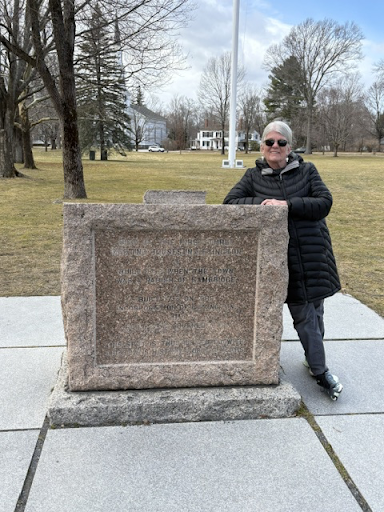
The first meeting house was built here in 1692, when Lexington was still a parish of Cambridge. At that time, the meeting house served as far more than a place of worship. It was the center of community life, where residents gathered for religious services, town meetings, civic discussions, and important public decisions.
When Lexington was incorporated as a separate town in 1713, a second meeting house was constructed nearby in 1715 to serve the growing community. Nearly eighty years later, a third meeting house was built on this site in 1794, continuing the tradition of placing the spiritual and civic life of the town at its center. That building was later destroyed by fire, but the site remains a symbol of more than a century of Lexington’s development.
Standing here, I thought about how many generations gathered on this very ground. Long before Lexington became famous as the birthplace of the American Revolution, this was where neighbors met to worship, debate local issues, celebrate milestones, and guide the future of their community. The events of April 19, 1775, were only one chapter in a much longer story.
Read More From Nancy
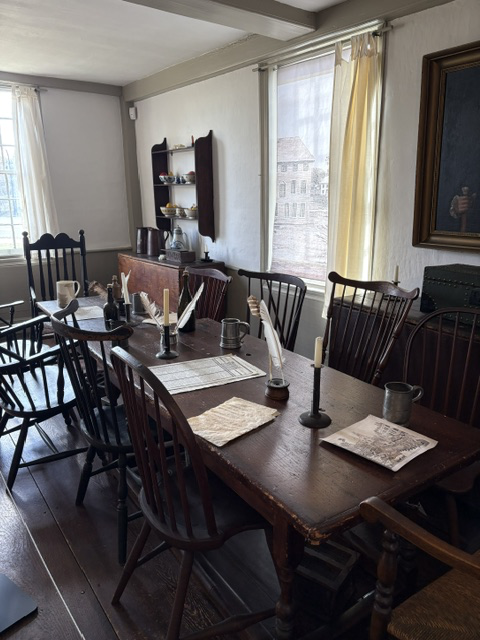
The West Room at Buckman Tavern
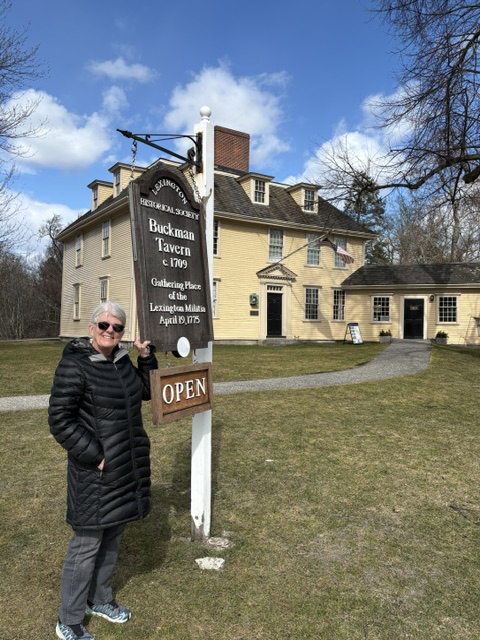
Of all the rooms in Buckman Tavern, none captures the atmosphere of April 19, 1775, more vividly than the West Room. Today it is furnished much as it would have appeared in the eighteenth century, with a long wooden table surrounded by Windsor chairs, pewter mugs, candleholders, and writing materials. It is easy to imagine […]
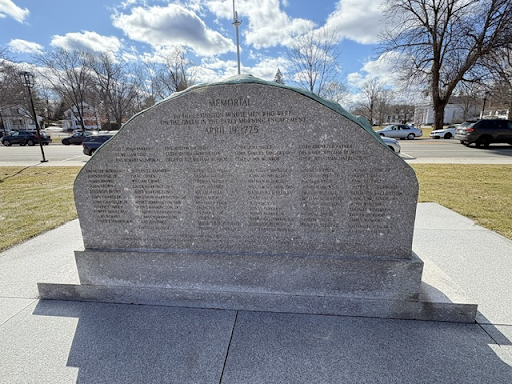
Memorial to the Lexington Minutemen
Whenever I visit Lexington Green, I find myself drawn not only to the monuments that commemorate the beginning of the American Revolution, but also to those that remember the individuals whose lives were forever changed there. This memorial honors the eight members of the Lexington militia who were killed on the Green during the early […]
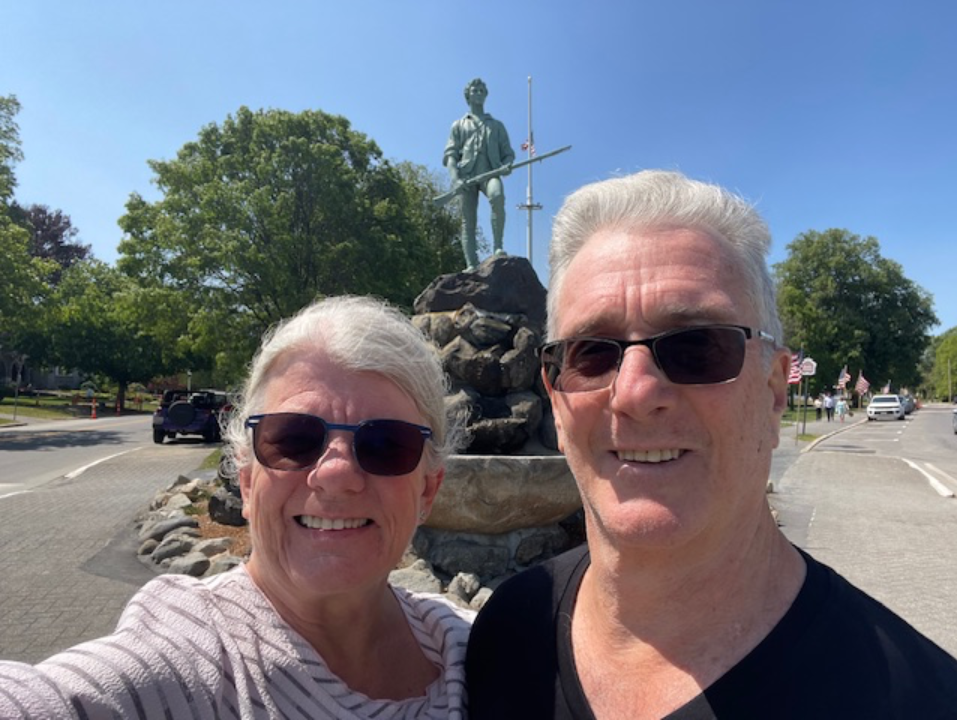
Minuteman Statue
Standing on the Lexington Battle Green, the Minuteman statue captures a single, defining moment in American history: The morning of April 19, 1775. This figure represents Captain John Parker, commander of the Lexington militia, not a professional soldier, but a farmer, husband, and father. Before dawn, he gathered 77 local militiamen on the town common […]

