Nelson Mandela House
The first place I wanted to visit when I traveled to Johannesburg was Nelson Mandela’s house in Soweto. He was the most famous South African I knew, and the opportunity to visit the home where he and his family lived was at the top of my list. While there were many important sites connected with South Africa’s history, this was the one place I felt I had to see.
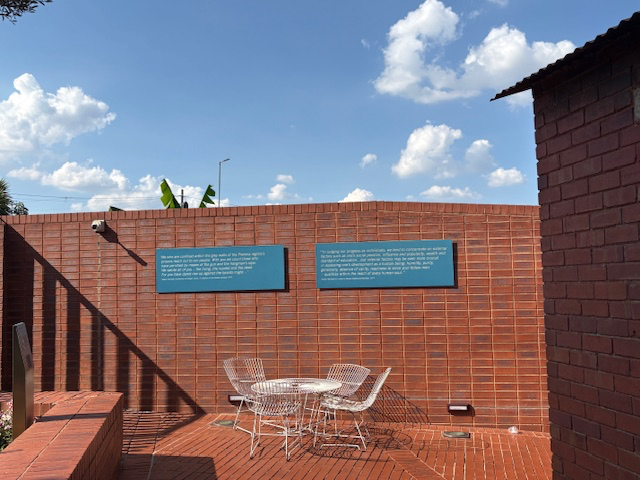
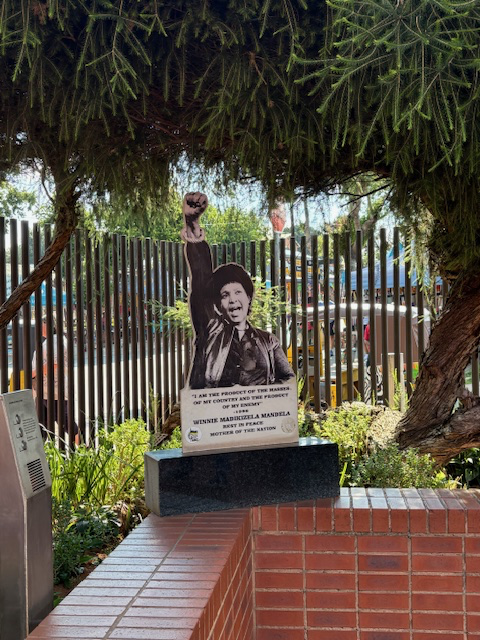
Located at 8115 Vilakazi Street in Soweto, the modest brick house became the home of Nelson Mandela and his first wife, Evelyn Mase, in 1946. Years later, after his marriage to Winnie Madikizela-Mandela, it became their family home as well. Although Mandela spent twenty-seven years imprisoned and later lived elsewhere after becoming President of South Africa, this house became forever associated with his life and legacy. It is often referred to simply as “Nelson Mandela’s House,” even though it was Winnie Mandela who continued living here for many years while her husband remained in prison. During those difficult decades, the house became a symbol of resistance to apartheid and of the sacrifices made by the entire Mandela family.
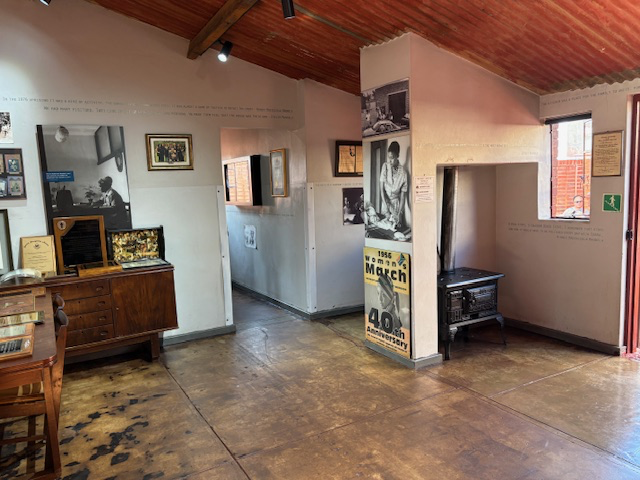
Walking through the museum, I was struck by how modest the home really is. The rooms are small and simply furnished, yet every room tells part of a much larger story. Family photographs, personal belongings, awards, newspaper clippings, and historical exhibits trace Mandela’s journey from lawyer and activist to political prisoner and eventually the first democratically elected President of South Africa. The home also reflects Winnie’s important role in keeping the struggle for equality alive while her husband was imprisoned. Her courage, determination, and willingness to endure constant police surveillance, repeated arrests, and personal hardship became part of the story preserved within these walls.
The house itself bears the scars of South Africa’s struggle. It was repeatedly raided by police and damaged by bullets and firebombs during the apartheid years. Rather than repairing every mark, many of those scars have been preserved, allowing visitors to see the reality of the conflict that once surrounded this family. Standing inside these rooms, it becomes easier to appreciate that the fight for freedom was not simply a political movement but something that affected the daily lives of ordinary families.
Visiting Mandela’s house was far more than touring another historic home. It was an opportunity to stand in a place where one of the twentieth century’s greatest leaders once lived and where his family endured years of uncertainty, sacrifice, and hope. The house reminds us that history is often made in ordinary places by ordinary people who choose extraordinary courage. It also reminds us that behind Nelson Mandela’s remarkable legacy stood a family, especially Winnie Mandela, whose sacrifices helped sustain the struggle that ultimately transformed a nation.
Read More From Nancy
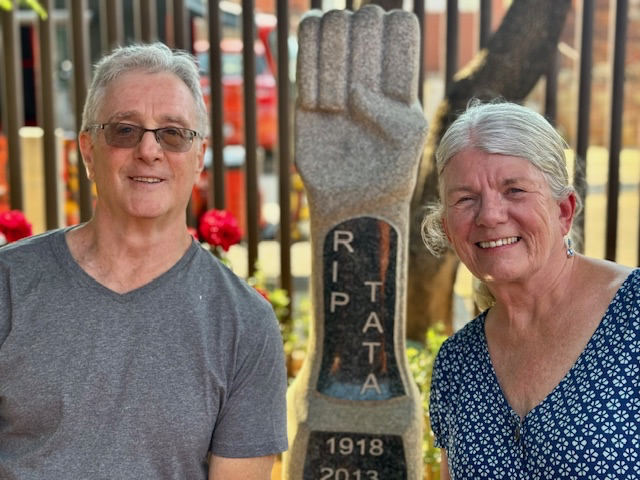
Lala Ngoxolo
The monument is simple yet deeply moving. A raised granite hand with the inscription: Lala NgoxoloNelson MandelaRIP TATA1918–2013 “Lala Ngoxolo” is an isiXhosa expression meaning “Rest in Peace,” or more literally, “Sleep in peace.” Beneath it is the phrase “RIP Tata.” Tata means “Father,” the name by which millions of South Africans affectionately came to […]
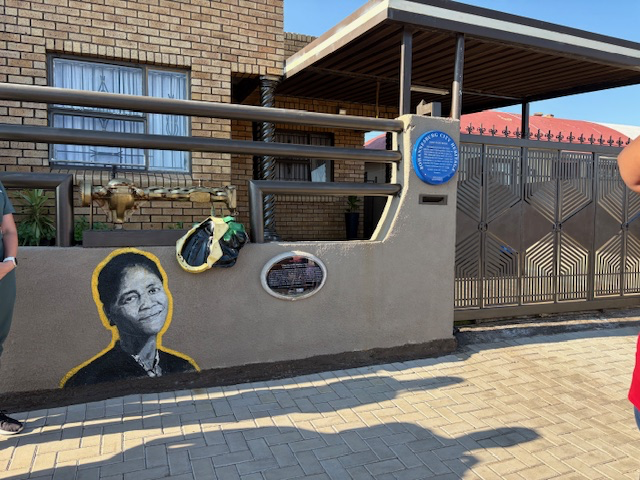
Lilian Ngoyi
On our teaching trip to South Africa, we took a tour of Soweto and stopped outside a modest home that holds extraordinary history: the house of Lilian Masediba Matabane Ngoyi. Lilian Ngoyi was one of the most prominent women in the anti-apartheid movement. A trade unionist and political leader, she became the first woman elected to […]
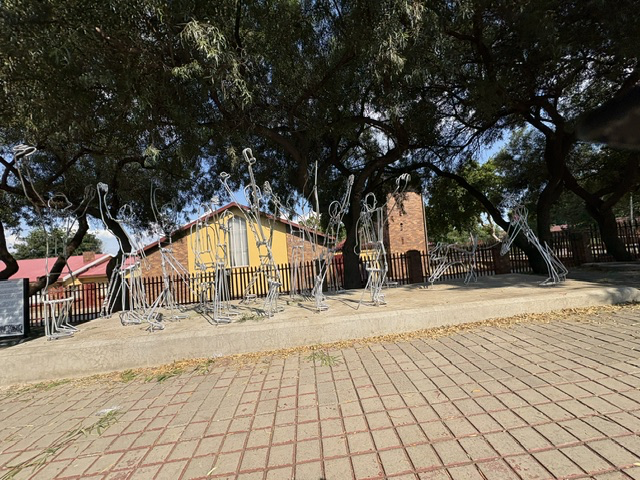
The Wire Figures of the Soweto Uprising
One of the powerful memorials I encountered in Soweto was this sculpture commemorating the students who took part in the Soweto Uprising. On the morning of June 16, 1976, Soweto awoke like any other winter day. Parents left for work while thousands of schoolchildren gathered to peacefully protest the apartheid government’s decision to require Afrikaans […]

