Ralph Waldo Emerson’s House
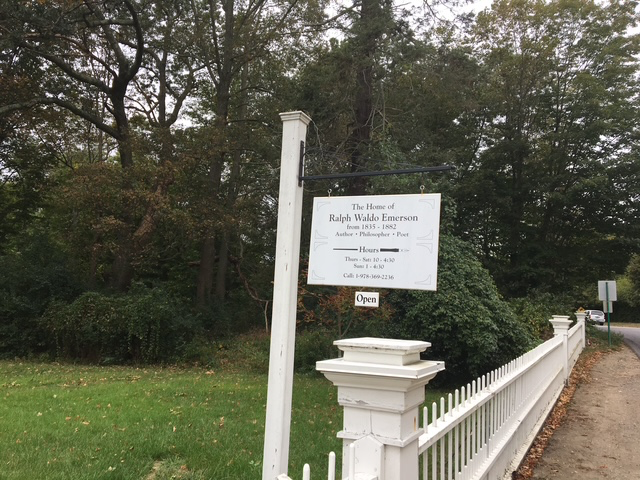
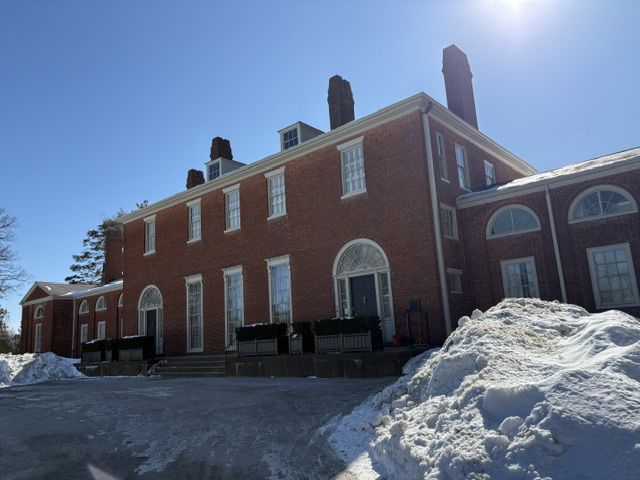
When you step inside Ralph Waldo Emerson’s house in Concord, MA, you can feel the presence of a man whose ideas helped shape American thought. One of the objects in the entry hall of his home is his walking cane. This is the same cane he carried on his daily walks that inspired so many of his essays.
Emerson’s walks were essential to him. He believed movement cleared the mind and opened the soul: “the health of the eye seems to demand a horizon.” His walks would have included Walden Pond and the homes of his friends like Thoreau, Alcott and Hawthorne.
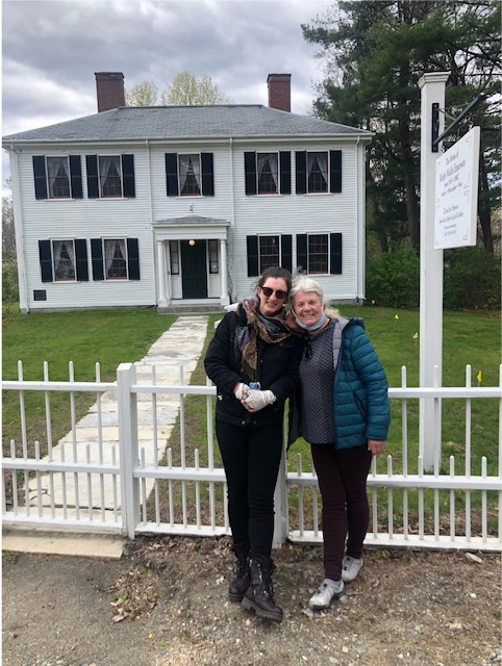
In July of 1872, while Emerson was away giving lectures, his home caught fire. The blaze spread quickly and by the time the flames were extinguished, the interior was destroyed. Emerson returned to find his home in ruins.
There was no insurance or safety nets in those days.
The people of Concord, along with admirers from beyond Massachusetts, organized a national effort to help the Emersons rebuild. Donations arrived from all corners who felt indebted to his words. A town and a nation responded to the man who had taught them about self-reliance, the inner life and the dignity of human thought.
Emerson was one of the most popular public figures in America. His lectures drew enormous crowds; newspapers quoted him and young people traveled long distances to hear him speak.
Around the dining room table, some of the most remarkable gatherings took place. Henry David Thoreau, who lived with the Emersons for two years, was the most frequent guest. Bronson Alcott, the visionary educator, and the brilliant Margaret Fuller and Nathaniel Hawthorne, all sat around Emerson’s dining room table.
Visitors came from beyond Concord too to sit in the presence of the man who became known as the “Sage of Concord”
Read More
Read More From Nancy
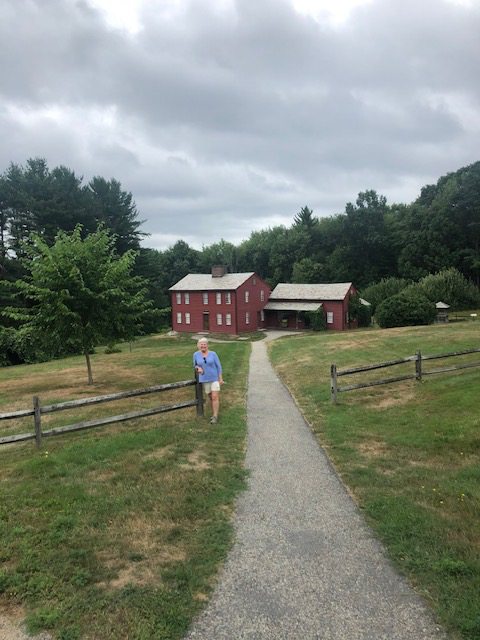
Fruitlands Farmhouse
The farmhouse at Fruitlands is a house that we visited often. When my daughters were volunteering at the Orchard House in Concord, the farmhouse at Fruitlands helped fill in another part of the story of the Alcott Family. It was here that Bronson Alcot attempted to create and intentional community based on transcendentalist ideals. In […]
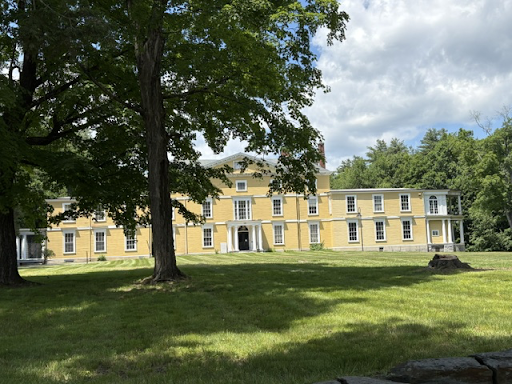
Nathaniel Thayer Estate
Driving through South Lancaster, I was surprised to come upon one of the grandest estates in central Massachusetts: the Nathaniel Thayer Estate, later known as Thayer Hall. Set amid expansive lawns and towering trees, the stately yellow mansion immediately conveyed the elegance and prosperity of nineteenth-century New England. Although many visitors associate South Lancaster with […]
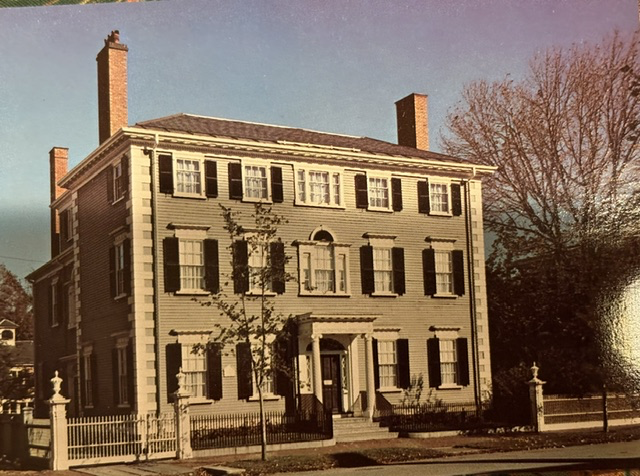
Stephen Phillips House
I drove to Salem to visit the Stephen Phillips Memorial Trust House, one of the city’s finest historic homes. Walking through its rooms felt like stepping back into the period when Salem was one of America’s most important seaports and a center of international trade. More than a museum, the house offers a glimpse into the […]

