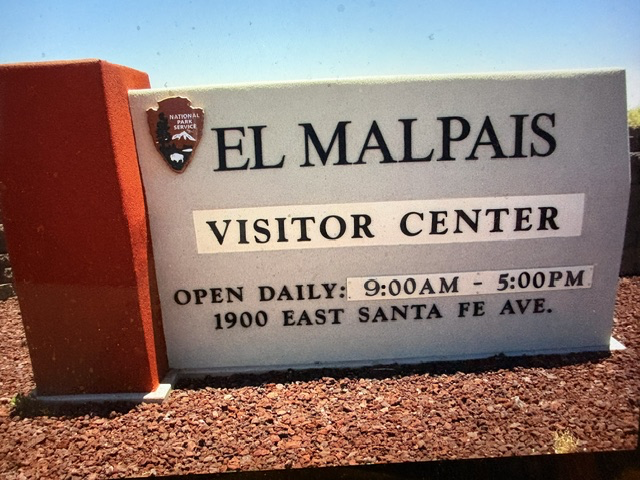
El Malpais National Monument
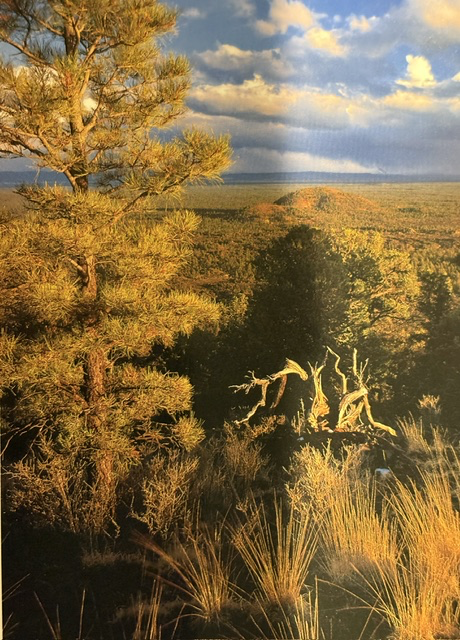
One of the striking landscapes we encountered at El Malpais National Monument in western New Mexico was the view of the volcanic cinder cones rising above a sea of lava flows, grasslands, and forests. Created by eruptions thousands of years ago, these cones are part of a vast volcanic field that has shaped the region’s rugged beauty. The name El Malpais, Spanish for “The Badlands,” was given by early Spanish travelers who found the rough and broken lava terrain difficult to cross.
The cinder cones, formed from ash and fragments of volcanic rock thrown into the air during eruptions, stand in sharp contrast to the surrounding juniper and ponderosa pine forests. Some of the lava flows preserved here are only about 3,000 to 4,000 years old, making them relatively young in geologic terms. The volcanic activity also created one of the longest lava tube cave systems in North America, with several caves open to visitors.
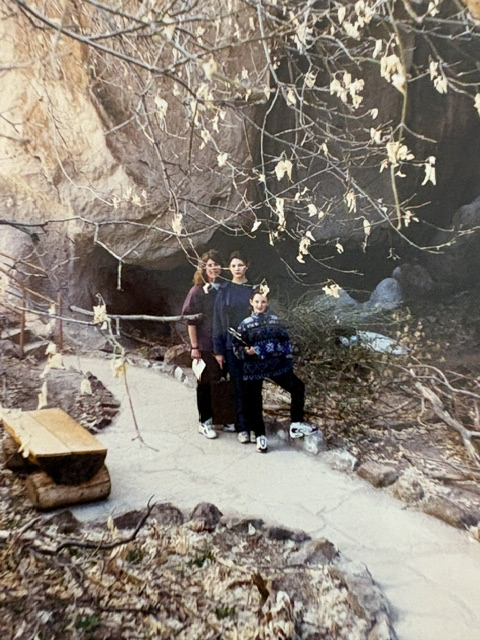
For thousands of years, Native peoples, including the ancestors of today’s Pueblo communities, traveled through and lived in this region. Ancient trails, petroglyphs, and archaeological sites testify to a long human presence. In the nineteenth century, pioneers and traders followed portions of the Zuni-Acoma Trail across the lava fields, and remnants of these routes can still be seen today.
Established as a national monument in 1987 by President Ronald Reagan, El Malpais preserves nearly 115,000 acres of extraordinary geological and cultural resources. Together with the neighboring El Morro National Monument, the two parks tell the story of both the powerful forces that shaped the land and the generations of people who depended upon it. What appears to be a quiet and timeless landscape was once the scene of dramatic volcanic eruptions. Today, it remains one of New Mexico’s most fascinating and least crowded national treasures, offering visitors a glimpse into both the Earth’s ancient past and the enduring history of those who called this landscape home.
Read More From Nancy
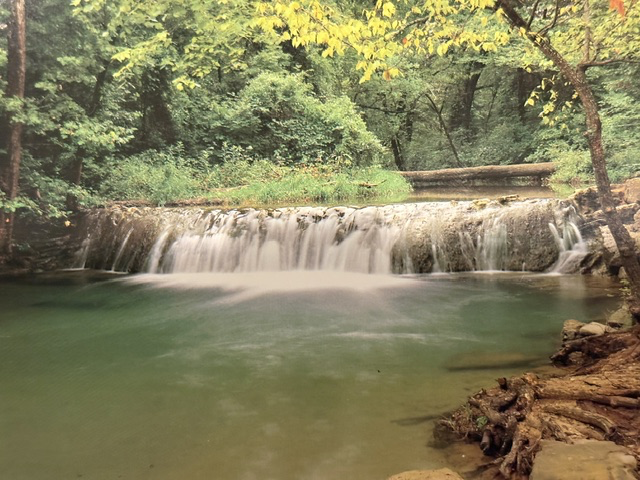
Chickasaw National Recreation Area
The cool spring-fed waters of Chickasaw National Recreation Area create an oasis in the rolling landscape of southern Oklahoma. This park is known for its natural springs and clear streams. For generations, people have come here to cool off in the water and relax beneath the trees. This swimming area is one of the reasons why Chickasaw is so […]
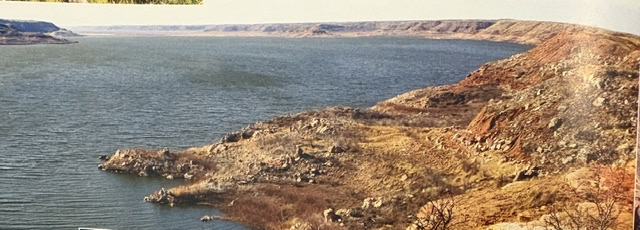
Lake Meredith National Recreation Area
Surrounded by the dry grasslands and windswept plains of the Texas Panhandle, the deep blue waters of Lake Meredith appear almost unexpected. Yet this striking contrast is exactly what makes the area so remarkable. Lake Meredith National Recreation Area was established on November 28, 1965, following the completion of Sanford Dam on the Canadian River. […]
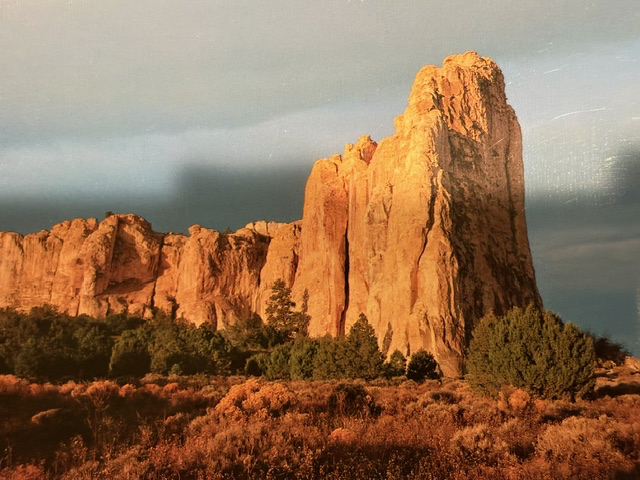
El Morro National Monument
Rising dramatically from the desert landscape of western New Mexico, El Morro National Monument has served as a landmark, water source, and rating place for travelers for centuries. The massive sandstone bluff stands above a small natural pool that made this isolated place critically important in an otherwise dry landscape. Known as “Inscription Rock, El Morro […]

