Lava Beds National Monument
On one of my solo rides through northern California. I made a stop at Lava Beds National Monument. The landscape was made up of mile after mile of rugged volcanic terrain shaped by ancient eruptions. This is a view of the lava fields in the early morning light, dotted with cinder cones created by the Medicine Lake Volcano, while Mount Shasta in the distance.
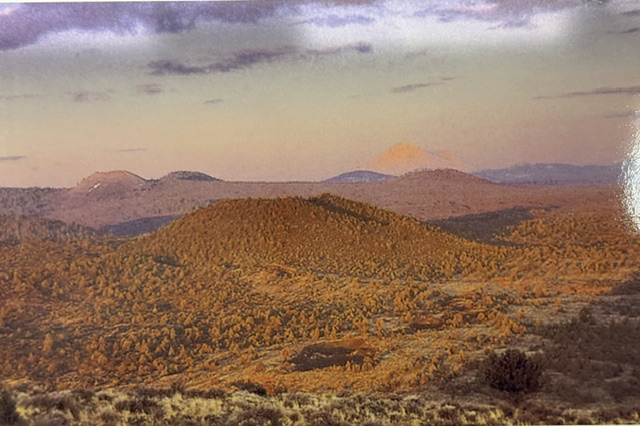
The rolling terrain and cinder cones of Lava Beds were formed by the broad Medicine Lake shield volcano, while Mount Shasta is a towering stratovolcano built from layers of lava and ash. Together they create one of the most dramatic volcanic landscapes in the American West.
Lava Beds National Monument is best known for its hundreds of lava tube caves. These underground passages were formed when the surface of flowing lava cooled and hardened while molten rock continued moving beneath. When the lava eventually drained away, it left behind a network of caves that visitors can still explore today.
This rugged volcanic terrain became the stronghold of the Modoc people during the Modoc War of 1872-1873. The natural defenses provided by the lava beds allowed a group of Modoc warriors to hold off a larger U.S. Army force for months, making it one of the remarkable conflicts in the history of the American West.
Recognizing the area’s extraordinary geological and historical significance, President Calvin Cooliedge established Lava Beds National Monument in 1925. Today the monument protects more than 46,000 acres of volcanic landscapes, lava tube caves and historic battlefields.

Read More From Nancy
Sequoia National Park
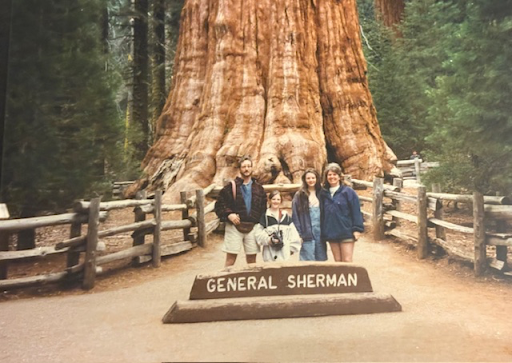
On one of our road trips through California, we stopped at Sequoia National Park to see the General Sherman Tree. Once we discovered the beauty of our national parks, we would seek them out and add these sites to our family travels. They often became the reason we would travel to a particular area, shaping our […]
Coronado National Memorial
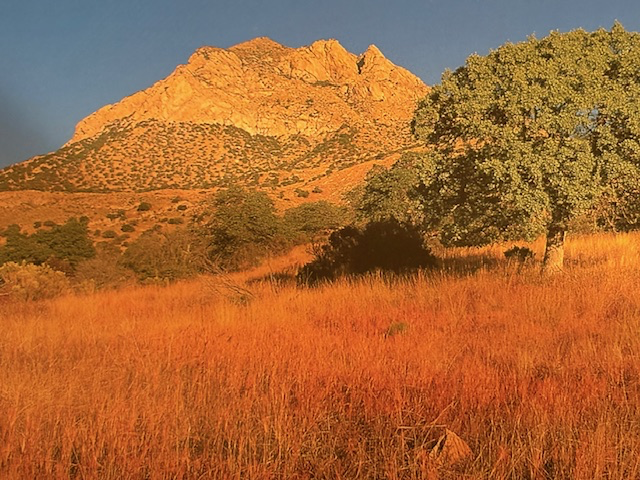
Coronado National Memorial commemorates the first major Spanish exploration into what is now the American Southwest, led by Francisco Vazquez de Coronado in 1540. Exploring this area, it is easy to imagine what those early explorers encountered: vast grasslands, rugged mountains and an unfamiliar land stretching far beyond what they knew. Coronado set out in search […]
Yosemite National Park
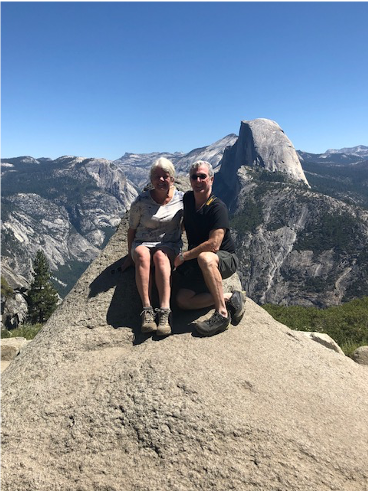
August 2019 was the last time, but not the first time, I visited Yosemite National Park. When people think of our National Parks, many envision vast, majestic landscapes and Yosemite is the very definition of that. The first time I drove into Yosemite Valley, I remember a moment of pure speechlessness. Countless writers and explorers have […]

