Hampton National Historic Site
I remember touring Hampton National Site in Maryland during a road trip south.
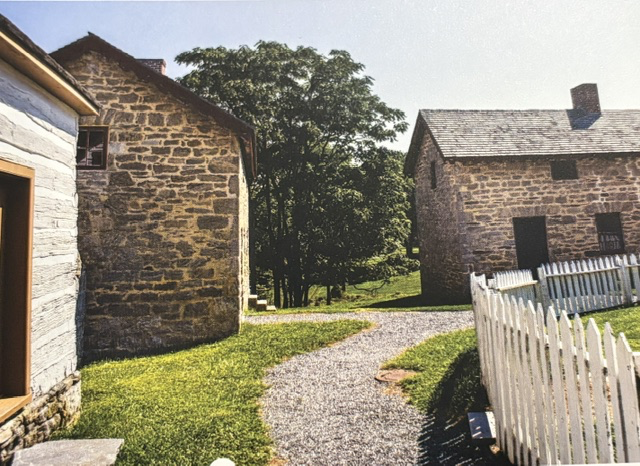
Located in Towson, Maryland, Hampton preserves the story of one of the largest and most influential estates in early America. We visited to not only see the grand Georgian mansion, as well as the farm buildings, gardens and working areas that reveal how the estate functioned.
Hampton was the home of the Ridgely family, one of the wealthiest families in colonial and early American Maryland. Their fortune began before the American Revolution through land ownership, trade and iron manufacturing. Charles Ridgely expanded the family’s holdings during the years surrounding the Revolution. By the early nineteenth century, Hampton had grown into a vast estate of more than 25,000 acres, making it one of the largest private estates in America. The property included farms, ironworks, quarries, orchards, horse breeding operations and numerous businesses that generated enormous wealth for the family.
The wealth of the Ridgely family was built through a combination of successful business ventures and the labor of hundreds of enslaved African Americans. What I remember about visiting Hampton was not only the grandeur of the mansion, but also the honesty of the interpretation. This was one of the first historic house tours where the guides openly acknowledged both sides of the story. They celebrated the accomplishments of the Ridgely family while also recognizing the labor of enslaved people whose lives were intertwined for generations.
Another part of the story I found interesting was how the family’s fortune gradually disappeared. The early Ridgely’s were industrious entrepreneurs who built businesses and expanded the estate through work and ambition. Later generations inherited the wealth but lacked the same drive that had created it. The family resources gradually declined. Hampton became a reminder that great fortunes can be built over generations, but they can also be lost when the circumstances that created them no longer exist.
When the last Ridgely heir died in 1948, the mansion and grounds were transferred to the National Park Service. It became the first National Historic Site preserved primarily because of its architectural importance. Today, it is one of the finest examples of Georgian architecture in America.

Read More From Nancy
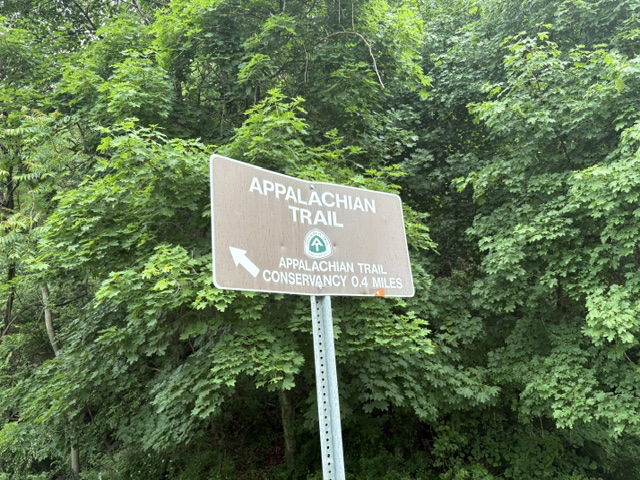
Appalachian Trail
I took this photo in Harpers Ferry, West Virginia, an important landmark along the Appalachian Trail. This sign marks a pathway that stretches nearly 2,200 miles from Mount Katahdin in Maine to Springer Mountain in Georgia, making it one of the longest and most famous hiking trails in the world. The Appalachian Trail was conceived […]
Catoctin Mountain Park
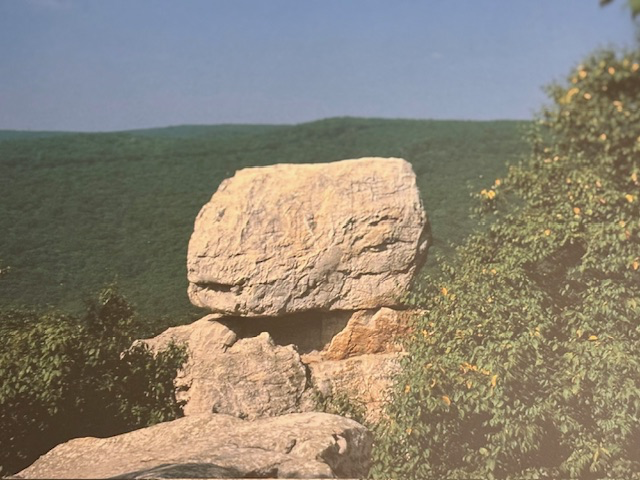
Traveling through the mountains of Maryland, I made my way into Catoctin Mountain Park. At first, it feels like a quiet forest, winding trails through dense trees. But this landscape, like many others, carries a history that is not immediately visible. By the early 1900s, much of this land had been logged and overused. The forest […]
Eisenhower National Historic Site
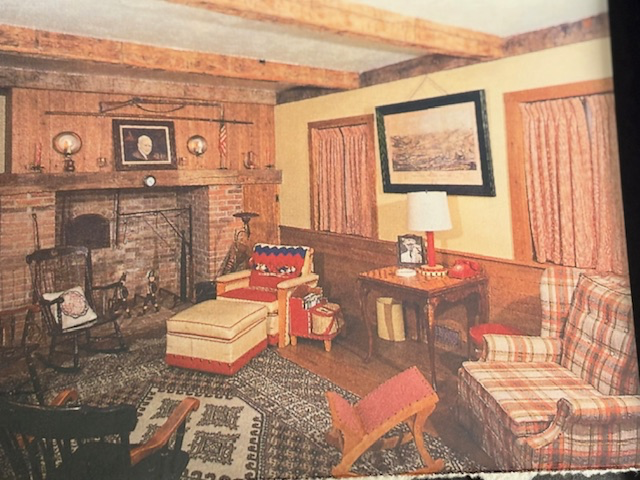
In Gettysburg is the only home that Dwight D. Eisenhower ever owned. A leader during World War II and later President, he lived a life defined by service. The home, now preserved as the Eisenhower National Historic Site, reflects a different side of his life. This modest farm is quiet, practical and personal. Eisenhower purchased the […]

