National Memorial to the Heroes of the Heydrich Terror
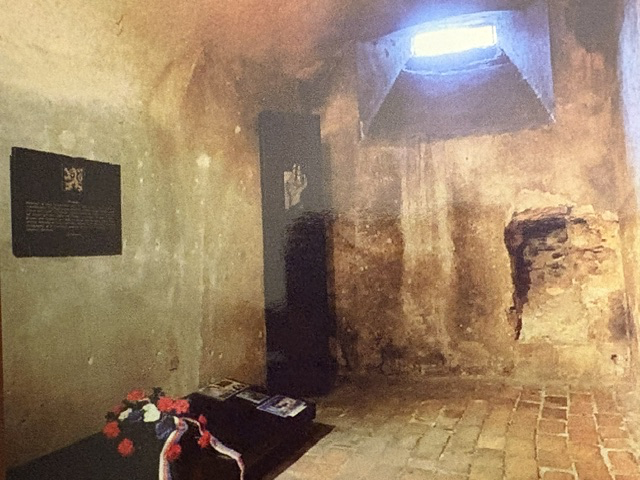
Among the many historic sites we visited in Prague, one of the most moving was the crypt of the National Memorial to the Heroes of the Heydrich Terror. This small underground chamber was the hiding place and final battlefield of the Czech and Slovak resistance fighters who carried out one of the most daring operations of World War II.
In May 1942, resistance operatives trained in Britain carried out Operation Anthropoid, an attack on Reinhard Heydrich, one of the highest-ranking Nazi officials and one of the principal architects of the Holocaust. Heydrich died from his wounds several days later, making him the most senior Nazi leader successfully assassinated during the war.
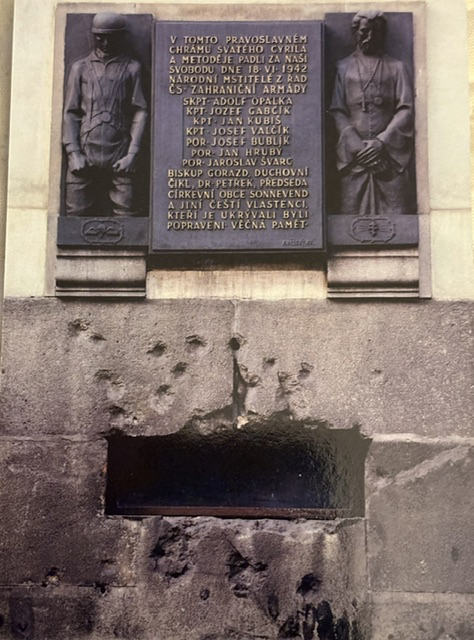
After the attack, the resistance fighters sought refuge in the Church of Saints Cyril and Mathodius in Prague. Hidden within the crypt beneath the church, they relied on supporters from the Czech resistance while Nazi authorities launched an enormous manhunt. Eventually the location was betrayed, and on June 18, 1942, hundreds of German troops surrounded the church.
The battle that followed lasted for hours. Some of the resistance fighters defended the church above while others fought from the crypt below. The German attempted to force them out with gunfire, explosives and even by flooding the crypt. Refusing to surrender, the defenders continued fighting until they were killed or took their own lives rather than b e captured.
Standing in the crypt, it is difficult not to be affected by the events that occurred within these walls. The scars of battle remain visible, and the confined space makes it easy to imagine the courage and determination required to resist overwhelming odds. It reminds that even in the darkest times, there were individuals willing to risk everything in the fight for freedom. The crypt remains one of Prague’s most important places of remembrance and a lasting symbol of resistance against oppression.
Read More From Nancy
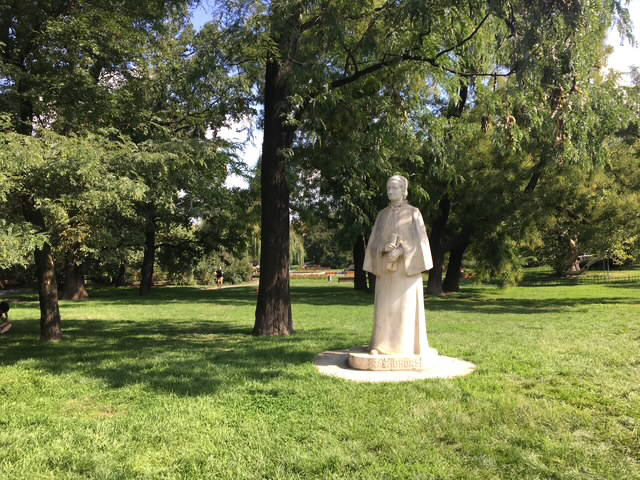
Saint Agnes of Bohemia
Walking through the peaceful gardens of Karlovo náměstí, we came upon this simple but meaningful statue of Saint Agnes of Bohemia, one of the most revered figures in Czech history. Surrounded by trees and far removed from Prague’s crowded tourist attractions, the monument reflects the quiet humility that defined her life. Born in 1211 into the […]
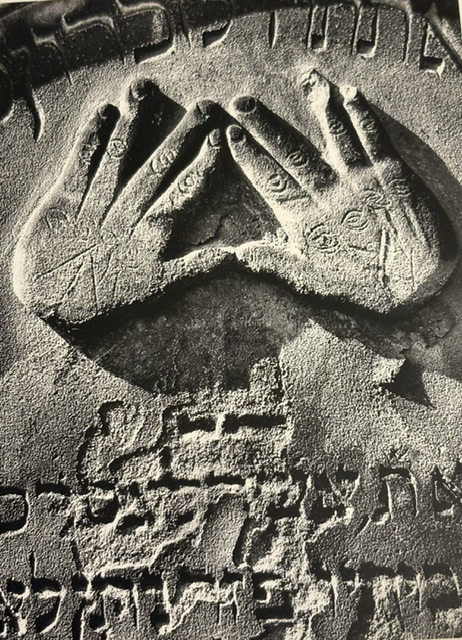
The Blessing Hands
While touring the historic Jewish Cemetery in Prague, one of the symbols we learned to recognize was this carving of two hands. At first glance it appears to be a simple decorative image, but it is actually one of the oldest and most meaningful symbols found in Jewish cemeteries. The carving identifies the deceased as […]
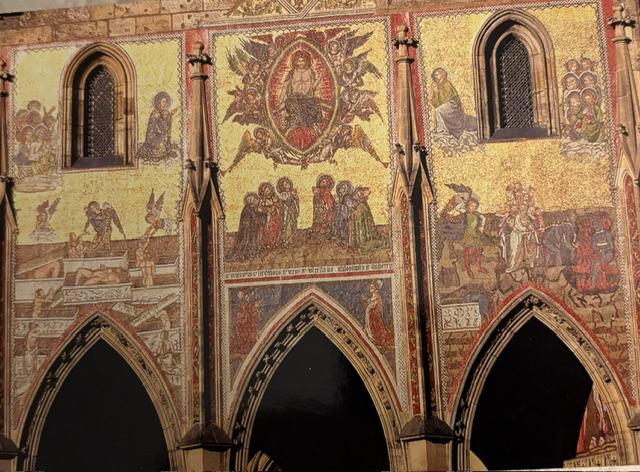
The Golden Gate Mosaic
One of the artistic treasures that captured my attention at St. Vitus Cathedral was the magnificent mosaic above the Golden Gate. While many visitors focus on the cathedral’s soaring Gothic architecture, this mosaic invites you to stop, look carefully, and appreciate one of the finest surviving medieval mosaics in Europe. Created between 1370 and 1371 […]

