Hot Springs National Park
Visiting Hot Springs National Park in Hot Springs was one of the more unique experiences in my exploration of the National Parks. Unlike parks centered around natural landscaped or historical homes, Hot Springs blends natural springs, history, architecture and American culture together.
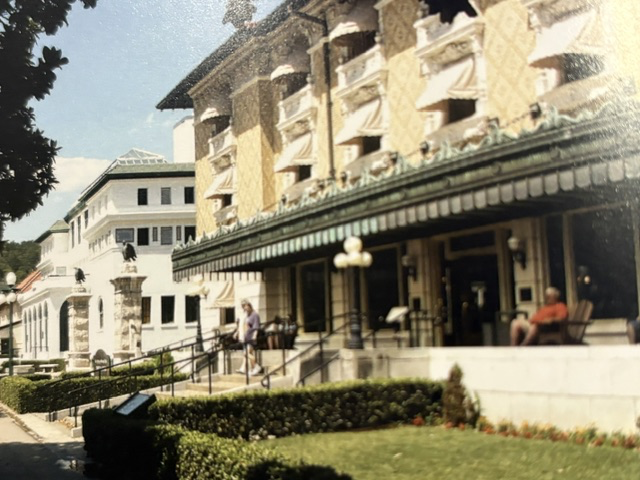
What made this visit memorable was having the opportunity to experience one of the historic bathhouse treatments much like visitors would have during the city’s peak years. For generations, people traveled to Hot Spring believing the mineral-rich thermal waters could provide healing and relief from physical ailments. This city became one of America’s most famous health destinations.
This photograph shows the historic Bathhouse Row, where these elegant bath houses once welcomed travelers arriving by train from across the country. During the late 1800s and early 1900s, Hot Springs became a fashionable destination visited by wealthy travelers, athletes and ordinary people all seeking the therapeutic reputation of the natural hot springs.
It was in one of these historic bath houses that we had our treatment. It felt like stepping back into another era of American travel. The ornate architecture, grand entrances, and tiled interiors all create a sense of the city’s historic importance.
The thermal waters themselves emerge naturally from the earth at temperatures averaging around 143 degrees Fahrenheit. Native people knew of and used the springs long before European settlement, and over time the area became federally protected. Hot Springs was set aside by the federal government in 1832 under President Andrew Johnson, forty years before Yellowstone National Park became the first official national park in 1872. This makes Hot Springs one of the oldest federally protected areas in the United States.
It officially became Hot Springs National Park in 1921 under President Woodrow Wilson.
One of the things I have appreciated about exploring our National Parks is how varied they are. Some parks preserve dramatic natural landscapes, while others preserve important stories about culture, history and the ways people interact with the land itself. Hot Springs does both.
Read More From Nancy
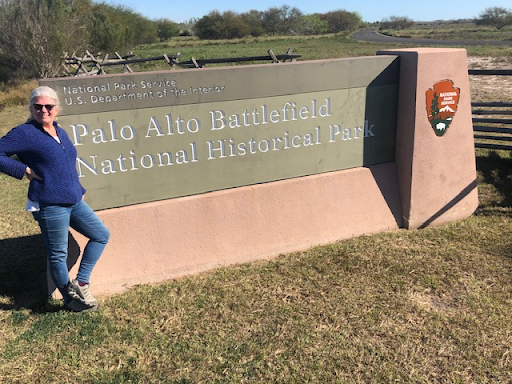
Palo Alto Battlefield National Historic Park
Visiting many of our nation’s historic sites has often happened while I’ve been in an area teaching, and that was true for our visit to Palo Alto Battlefield National Historical Park. The land here feels quiet and open, but the calm setting marks the beginning of a war that would reshape the United States. The Battle of […]
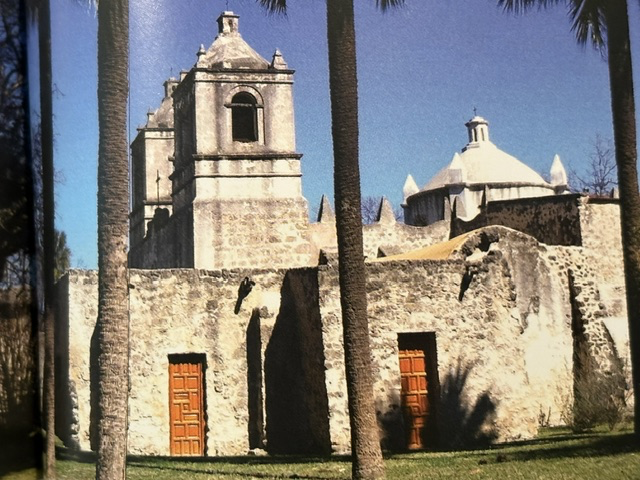
San Antonio Missions National Historical Park
Being from the Northeast, our roots are closely connected to England. Many of our towns bear the names of places in England, reflecting the heritage of the Pilgrims and Puritans who settled Massachusetts and established communities that would become the foundation of the region. Traveling through the Southwest, however, it becomes immediately clear that the […]
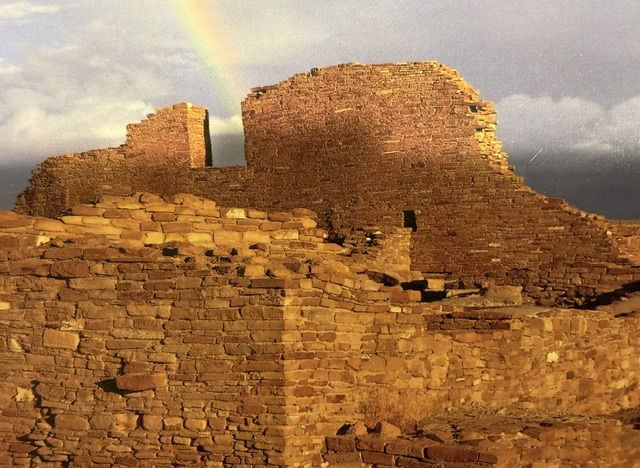
Chaco Culture National Historical Park
The massive stone walls of Chaco Culture National Historical Park rise from the desert floor with a presence that feels ancient. Located deep within the remote high desert of northwestern New Mexico, Chaco is one of the most extraordinary archaeological sites in North America. Even reaching the canyon is a journey, requiring miles of isolated roads through desert landscapes […]

