Aztec National Monument
The massive stone walls of Aztec Ruins National Monument preserve the remains of an ancestral Puebloan community in northwestern New Mexico. Rising from the desert landscape near the Aztec area, the ruins create a sense of age and accomplishment. The carefully constructed stone masonry and multi-room structures reveal the sophistication of the people who built and lived here nearly a thousand years ago.
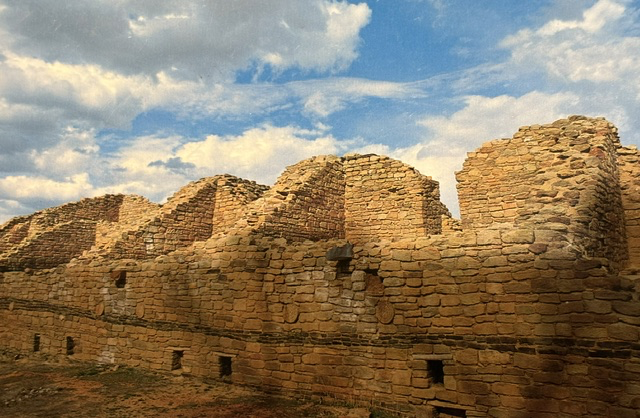
Despite the name, the site has no connection to the Aztec civilization of Mexico. Early American settlers mistakenly believed the ruins had been built by the Aztecs because they could not imagine that the ancestral Puebloan peoples of the Southwest had created such large and advanced stone communities. By the timearchaeologists understood the true origins of the structures, the name had already become established and remained attached to the site.
Aztec Ruins was built during the 100s and became part of the larger Chacoan cultural world connected to Chaco Culture National Historical Park. Visiting this site, it is easy to imagine the community that once thrived here. Families lived, cooked, traded and built lives within these stone walls. The rooms were arranged with remarkable planning and engineering, reflecting a highly organized society with advanced construction knowledge and cultural traditions tied to astronomy and the natural environment.
Recognizing its archaeological and cultural significance, Aztec Ruins National Monument was established in 1923 by President Warren G. Harding. under the Antiquities Act.
Read More From Nancy
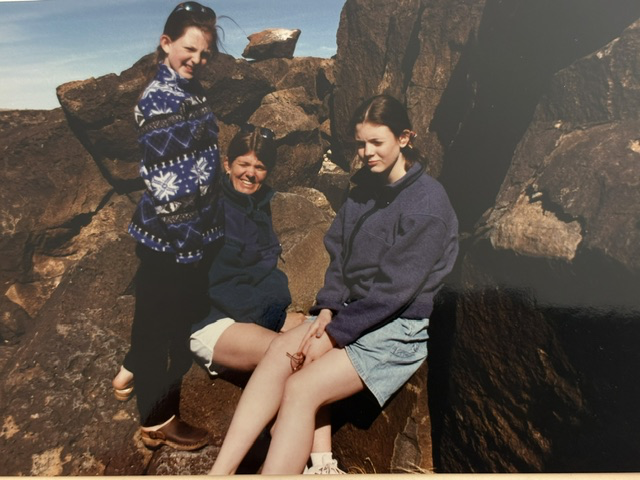
Petroglyph National Monument
Walking among the dark volcanic rocks outside of Albuquerque, is where Petroglyph National Monument is found. Centuries ago, there were people who stood in this landscape carving symbols and images into the stone. The monument preserves one of the largest collections of petroglyphs in North America, with designs created by Native peoples and later Spanish settlers […]
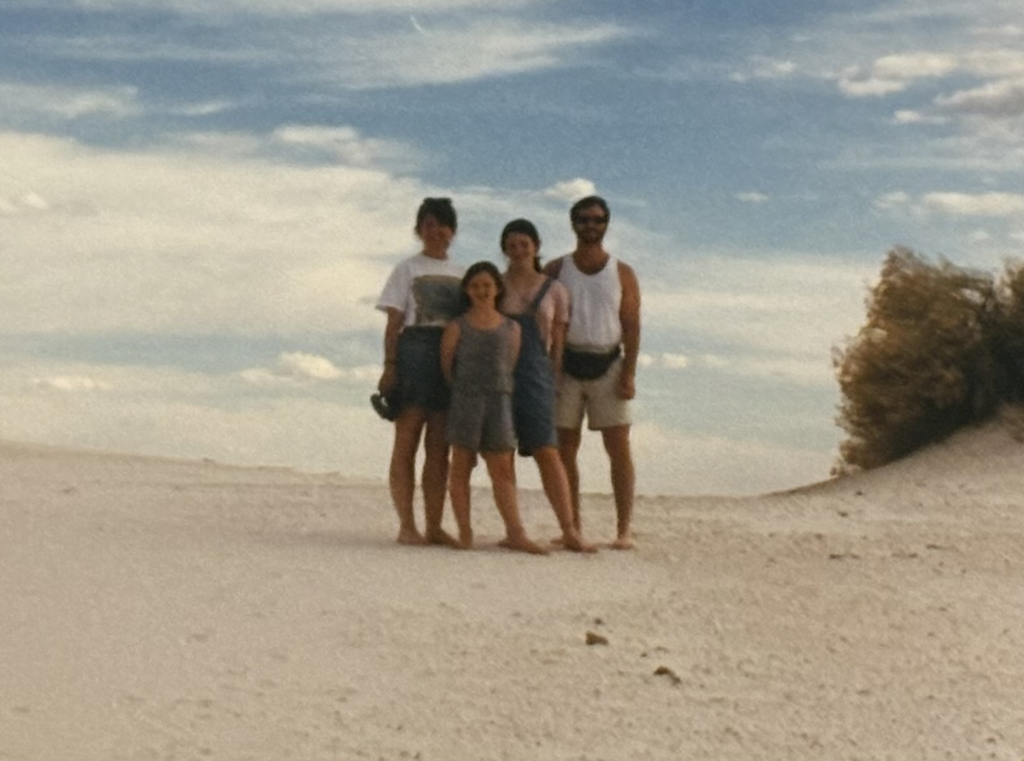
White Sands National Park
White Sands is one of those landscapes that feels almost otherworldly as there is wave after wave of white dunes stretching across the Tularosa Basin in southern New Mexico. What surprised us most was these dunes are not sand but are made of gypsum. Gypsum is a soft mineral that usually dissolves in water, but here, because of the […]
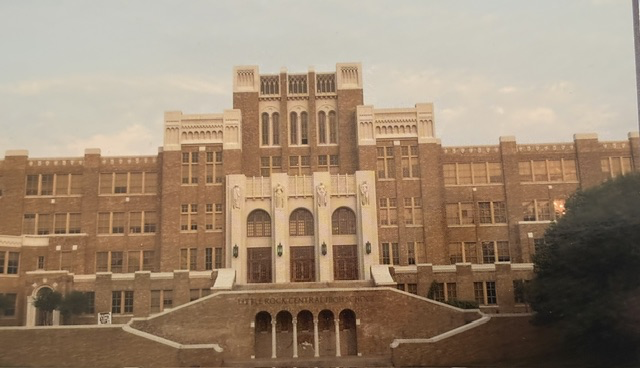
Little Rock Central High School National Historic Site
This is another one of those National Park Service sites that seems to have stopped in time. Standing across from Little Rock Central High School, it is remarkably easy to picture the events of 1957 unfolding in front of the same imposing building. What makes the experience even more unusual is that Central High is […]

