Jennings Market
On North State Street in the North End of Concord, there was a small market called Jennings. It was not a large store, and it was not meant to be. It was built for the neighborhood, for the people who lived within walking distance, for the rhythms of daily life that unfolded one visit at a time.
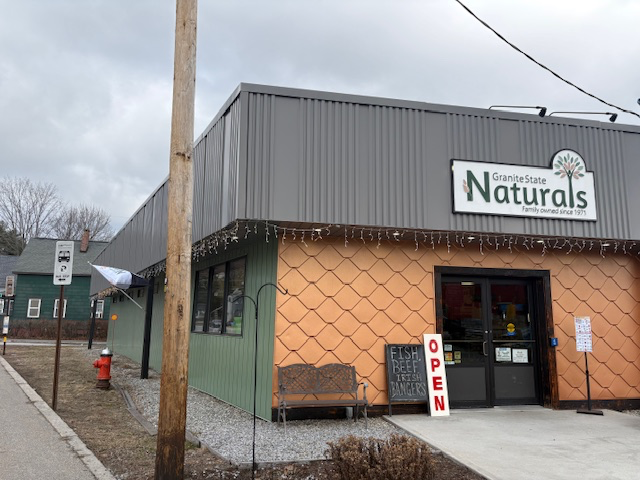
We went there often. After school, it was a place to buy candy. We would walk in with a few coins, and stand deciding what to purchase. I often chose sugar babies, junior mints, chunkies or m&ms.
Saturdays were different. This was the shopping day. That was when we went to Jennings for what the family needed. The meat counter was part of that ritual with cuts prepared there, not prepackaged. Meat was not chosen from a shelf but selected and handed over.
Jennings had more than just food, it had everything in the way these neighborhood markets did: groceries and staples, magazines and greeting cards and small items that filled in the gaps of everyday life.
And near the checkout, there was a large cooler filled with soda: cold, glass bottles. This was part of the experience of the store, something you saw every time.
Jennings was not just a place we went to shop. It was a place that fit into the structure of the neighborhood. We didn’t need to plan a trip. We didn’t need to go far. It was simply there, part of the way of life worked in the North End.
At some point during my childhood, a supermarket opened. It was larger and offered a different way of shopping. It was a bit farther than the North End and required a change in routine.
Jennings was part of a system where you walked to get what you needed. We went often. We knew the place and they knew us.
Over time, stores like Jennings disappeared. The buildings remain, but the way they were used, and the role they played, has changed.
What remains for me is the memory of what it once was and how life was in the North End.
Read More From Nancy
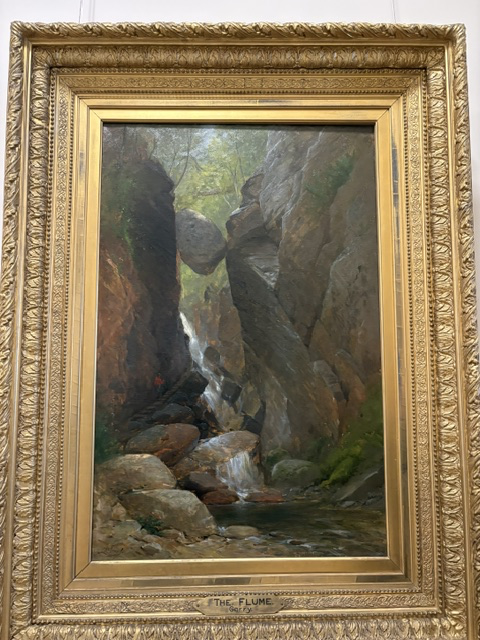
The Flume by Samuel Gerry
Samuel L. Gerry’s The Flume draws the viewer into one of New Hampshire’s most dramatic natural passages. The tall, narrow canvas follows the shape of the gorge itself, with steep walls of granite rising on both sides and leaving only a small opening to the forest and sky above. Water descends through the center, winding […]
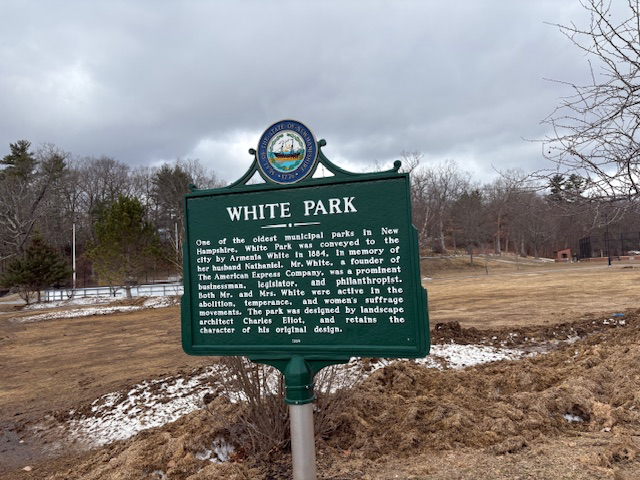
White Park
White Park is one of the oldest municipal parks in New Hampshire, conveyed to the city in 1884 by Armenia White in memory of her husband, Nathaniel White. Nathanial White had been a prominent businessman, legislator and philanthropist, and this gift ensured that his legacy would be tied to a place meant for everyone. Armenia White […]
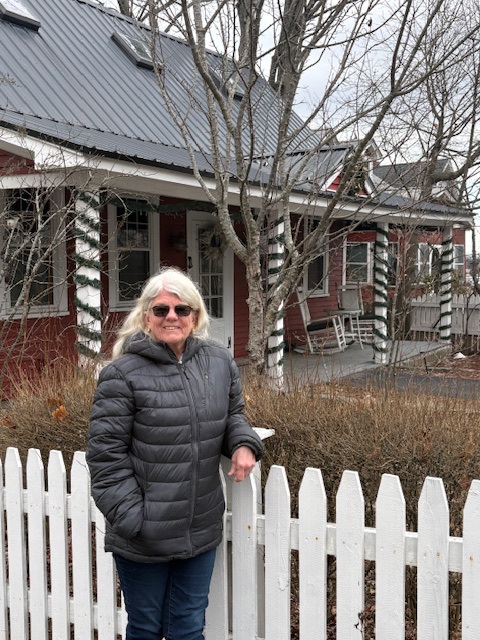
Watson’s Antique Shop
On the corner of North State St and Curtice Ave in the North End of Concord stood this building that became part of my family’s story. The building was moved there after my grandparents had passed, placed onto the part of the property that had once been my grandfather’s garden. My father moved the building […]

