Pu’uhonua o Honaunau National Historical Park
Pu’uhonua o Honaunau National Historical Park on the Big Island of Hawaii is one of the most important and sacred historic places in Hawaii. Long before Hawaii became part of the United States, this area served as a “City of Refuge”, a protected santuary where people could excape punishment, violence or death.
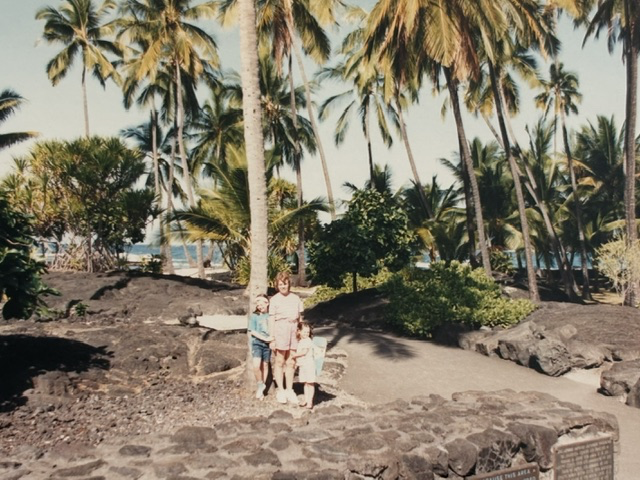
An ancient Hawaiian society, life was governed by a strict system of sacred laws known as Kapu. These laws controlled many aspects of daily life, such as where people could go, what they could eat and how they interacted with chiefs and sacred places. Breaking a Kapu, even unintentionally, could result in a death sentence. But there was one hope for forgiveness, if a person could reach the Pu’uhomua or place of refuge, they would be protected. Priests would perform ceremonies of absolution, and the person could eventually return to society free from punishment. During times of warfare, defeated warriors and noncombatants could also seek safely behind its walls.
What appears at first to be a peaceful grove of palm trees and lava rock was once a place where lives were literally saved. The site was established as a National Historical Park in 1961 to preserve the important part of Hawaiian culture and history.
Unlike many historic sites built around battles, the City of Refuge represents mercy. Visiting Pu’uhonual o Honaunau is stepping in a place that reflects the spiritual and cultural heart of Hawaii, a place where forgiveness, protection and community were considered sacred values worth preserving.
Read More From Nancy
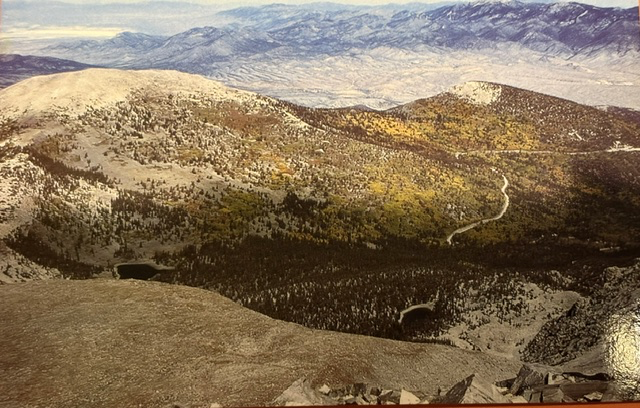
Great Basin National Park
Driving to Great Basin National Park felt like chasing something that kept moving farther away the closer we got. This is one of the most remote National Parks in the lower 48 states, tucked into the isolated desert and mountain ranges of eastern Nevada. I remember the endless highways stretching across the Nevada desert, mile after mile […]
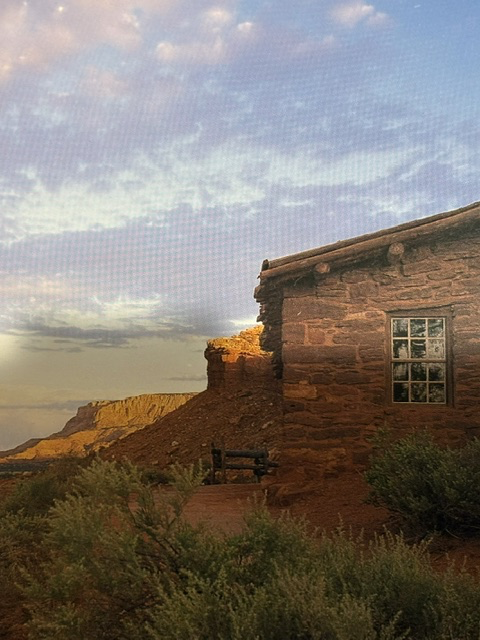
Pipe Spring National Monument
In the dry desert landscape of northern Arizona, Pipe Spring National Monument preserves a precious resource in the American Southwest, water. The national springs flowing here made life possible in a harsh environment where dependable water sources were often separated by vast distances. Located close to the Arizona-Utah border, Pipe Spring became an important stopping place for Native peoples, travelers, […]
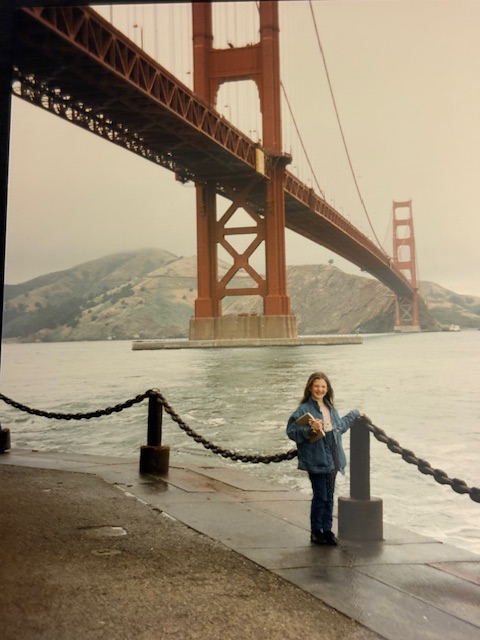
Golden Gate National Recreation Area
The Golden Gate National Recreation Area is one of those places that redefines what we think of as a national park. Set within and around San Francisco, it blends natural beauty, history and iconic landmarks into one expansive experience. The park is woven into the fabric of San Francisco and its recreation area stretches across […]

