Badlands National Park
One of my favorite family road trips during our homeschooling days was driving across the northern states to South Dakota. There were so many special places we stopped along the way, but none left a stronger impression on us than Badlands National Park.
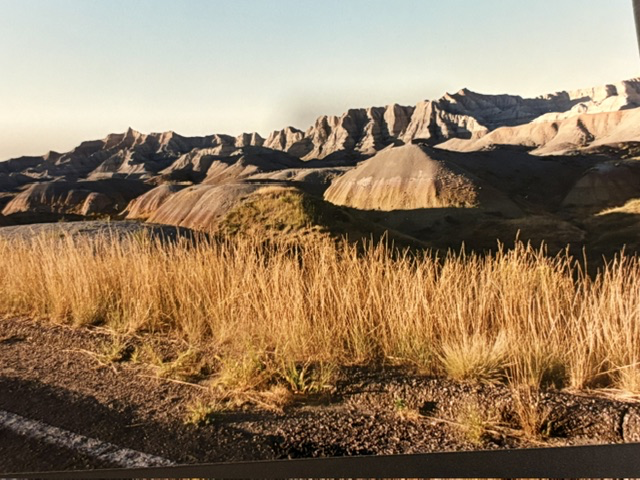
The landscape almost did not seem real the first time we saw it. Layer after layer of eroded rock formations stretched across the horizon in shades of red, gold, gray and purple. Deep ravines, jagged cliffs, rolling prairie grass, and endless skies created a landscape unlike anywhere else we had traveled.
Early travelers and settlers called this area “mako sica”, a Lakota phrase translated as “bad lands”, because the rugged terrain, extreme heat, sudden storms, and lack of water made crossing it difficult. What looks breathtaking from a scenic overlook today was once considered a nearly impossible country to travel through.
The Badlands preserve history in layers. The rock formation holds fossils from animals that lived over 30 million years ago: ancient rhinos, horses, and saber-toothed creatures buried beneath the surface. Scientists still uncover fossils here today, making it one of the richest fossil beds in the world. Here, an entire prehistoric world is hidden beneath our feet.
The Badlands became a national monument in 1939 under President Franklin D. Roosevelt and was later redesignated as a national park in 1978. Today it protects one of the richest fossil beds in the world with the dramatic and unforgettable landscape.
Read More From Nancy
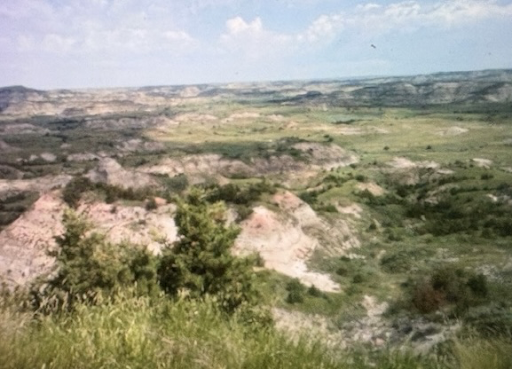
Theodore Roosevelt National Park
I have traveled with intention, seeking out the place that tells the fuller stories of the Presidents of the United States. Over the years, I have visited all the Presidential libraries, along with many of their birthplaces, homes and the lesser-known sites that reveal who these men were beyond their public offices. It is often these […]
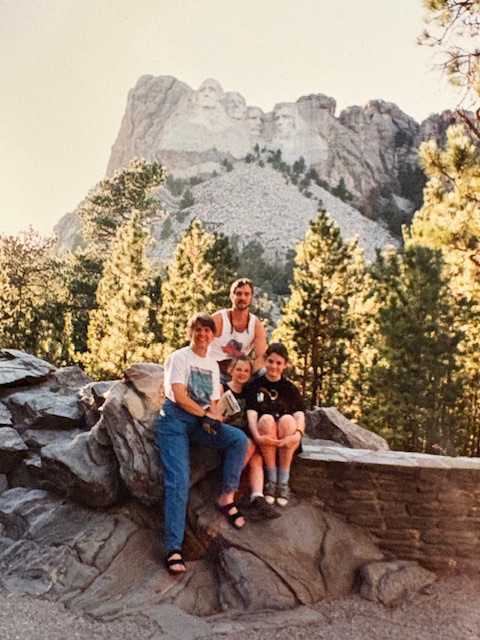
Mount Rushmore National Memorial
Carved into the granite face of the Black Hills are the towering likenesses of four of our presidential leaders. Visiting Mount Rushmore National Memorial is a ceremonial experience. Upon approaching the site, we walked the Avenue of Flags, with flags representing all U.S. states and territories. This walk takes us to the overlook where the […]
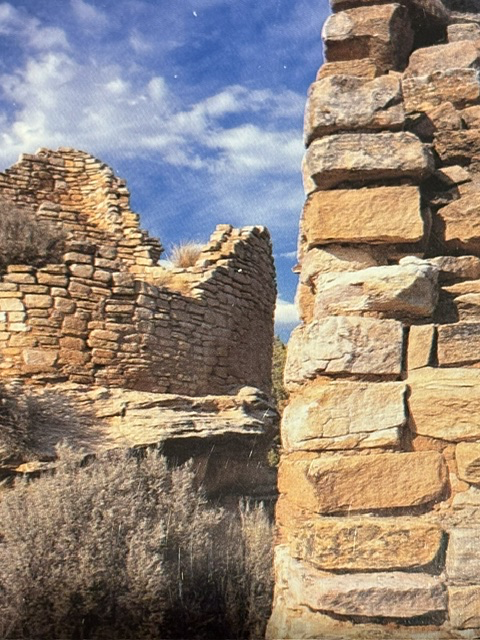
Hovenweep National Monument
The stone towers and walls of Hovenweep National Monument rise from the desert landscape. This monument is located in the remote Four Corners region along the border of Colorado and Utah. Hovenweep feels isolated even by Southwestern standards. Reaching this monument required traveling long stretches of quiet desert roads. The name Hovenweep comes from a Ute/Paiute word translated as “deserted […]

