St Paul Church National Historic Site
This national park is another site that took a commitment to reach, not because it sits in a remote landscape, but because of its urban setting and limited hours.
I drove to visit the St Paul’s Church National Historic Site and the remarkable cemetery attached to it in Mount Vernon.
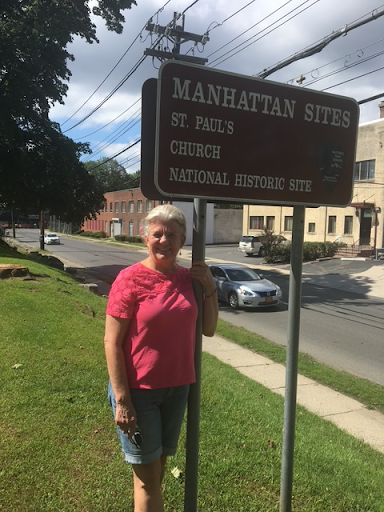
Arriving there, there is no grand entrance or steady flow of visitors. I rang the doorbell and waited to be invited in.
St Paul’s Church dates back to the 18th century, with the current structure built in 1764. It served not only as a place of worship but also as a central gathering place for the community during a time when this area was still part of colonial New York.
Its significance is closely tied to the American Revolutionary War. The church and its surrounding grounds were part of the Battle of Pell’s Point (1776) where American forces delayed the British advance. The cemetery itself became part of that landscape, holding the history of both the community and the conflict that passed through it.
Walking through the burial ground, you begin to see the depth of that history. Headstones date back centuries, marking the lives of the early settlers, soldiers and families who were part of this region long before it became what it is today.
Stepping inside the church, the interior reflects the design of early American colonial worship spaces. Wooden box pews with enclosed seating reflecting family status and community structure. A high pulpit stands prominently, emphasizing the importance of the spoken word, while a balcony gallery lines the upper level.
The church remained active through the years, adapting as the surrounding area grew into a more urban environment. Recognizing its historical importance, the site was designated a national historic site in 1943 and placed under the care of the National Park Service.
Read More From Nancy
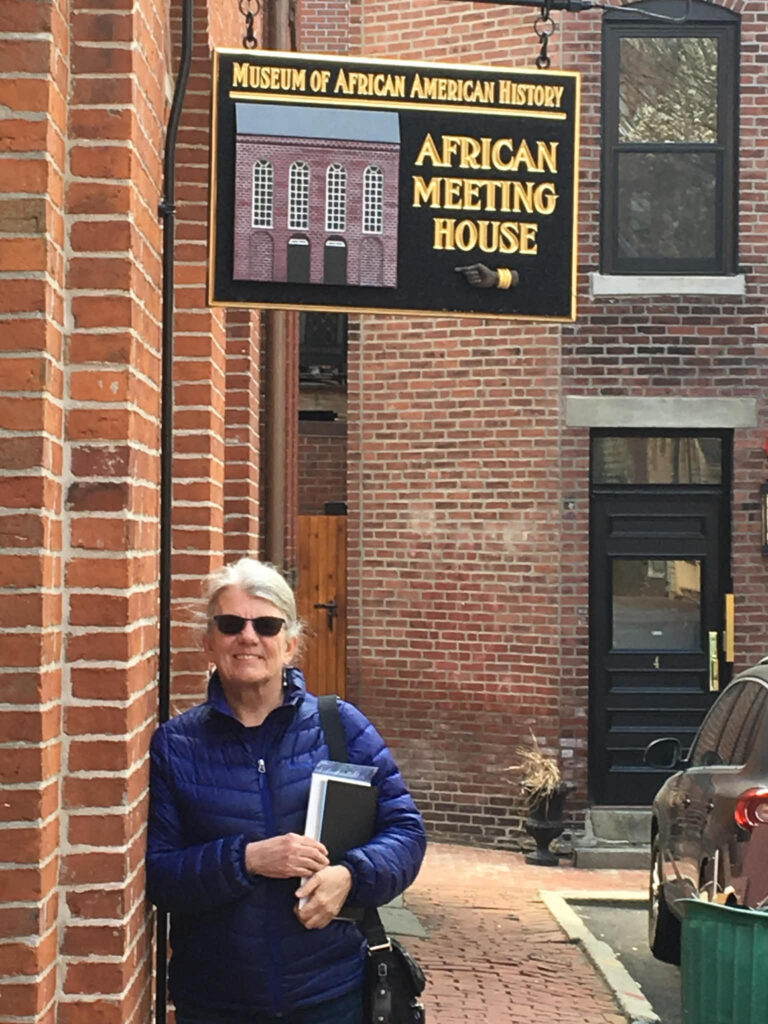
Boston African American National Historic Site
Tucked into the narrow streets of Beacon Hill, the African Meeting House stands quietly, but its presence carries the full weight of a community determined to define itself. Built in 1806, it is the oldest surviving Black church building in the United States, constructed largely by free African American artisans who refused to be limited by the constraints of […]
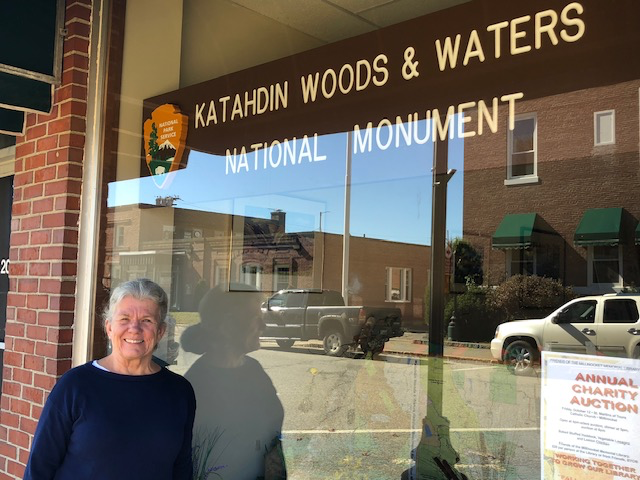
Katahdin Woods and Waters National Monument
Erin and I drove for hours to visit Katahdin Woods and Waters National Monument, located in the remote forests of northern Maine. Maine is the largest of the New England states, and the drive from our home in Natick, Massachusetts to this site is a 300-mile journey. The long drive was part of the experience of […]
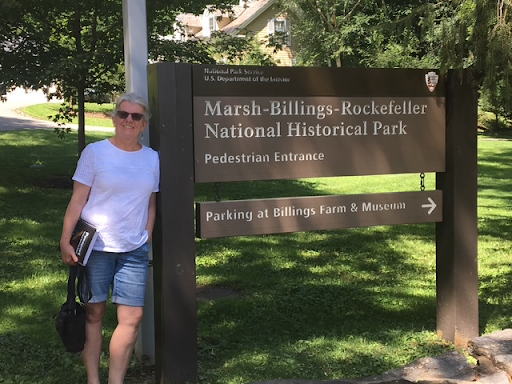
Marsh-Billing-Rockefeller National Historical Park
Marsh-Billing-Rockefeller National Historical Park is the only National Park Service site in Vermont. Unlike other parks created to preserve wilderness or historic battles, this park tells the story of the birth and evolution of conservation through stewardship. In the early 19th century, George Perkins Marsh, who grew up on this land, published the book: Man and […]

