Frances Perkins National Monument
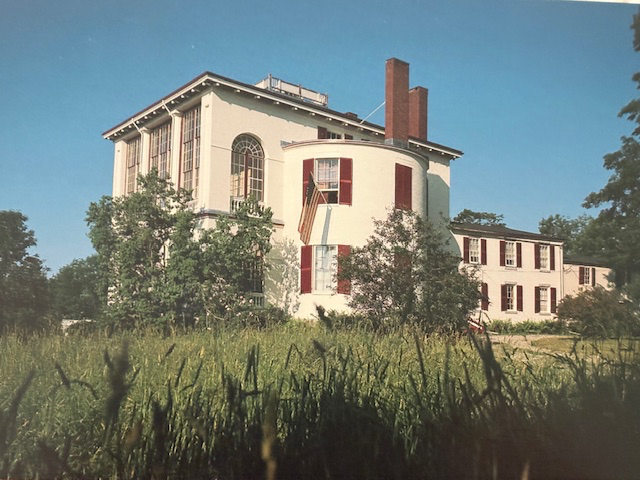
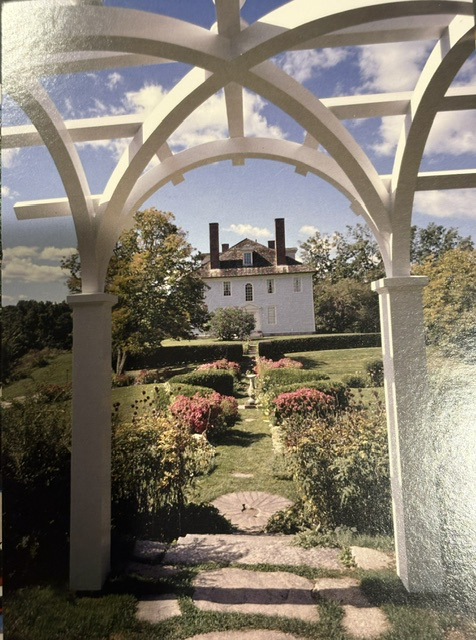
One of America’s newest additions to the National Park System is the Frances Perkins National Monument in Newcastle, Maine. Established in 2024, it preserves the homestead where Frances Perkins spent much of her life reflecting, writing, and welcoming visitors interested in public service.
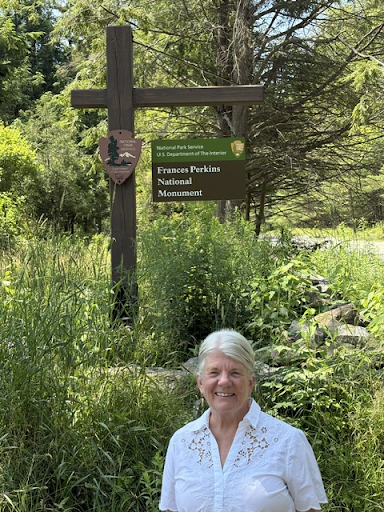
One of the reasons I appreciate the National Park System is that it continually introduces me to places I might never have discovered otherwise. Had President Biden not designated the Frances Perkins Homestead as a national monument; I likely would never have known about this remarkable house or the extraordinary woman who lived here. It is one more example of how the National Park Service preserves not only our landscapes but also the stories of people whose contributions shaped our nation. As I continue my travels, I enjoy seeking out these places, and I have now visited more than 400 units of the National Park System. Each one has added another chapter to my understanding of America’s history.
Many people recognize the names of presidents, but far fewer know the story of the woman who helped shape some of the most important social and labor reforms in American history. Appointed by President Franklin D. Roosevelt in 1933, Frances Perkins became the first woman to serve in a United States Cabinet, leading the Department of Labor for twelve years.
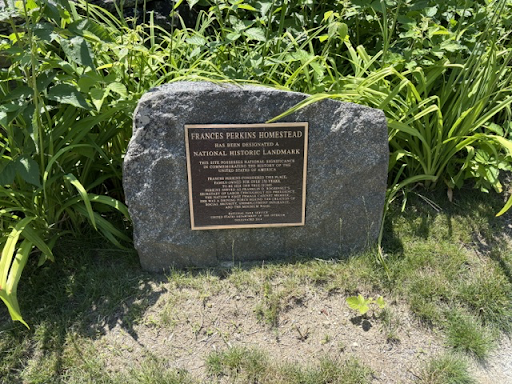
Her influence can still be felt nearly a century later. Perkins was the driving force behind the creation of Social Security, unemployment insurance, the federal minimum wage, protections against child labor, the 40-hour workweek, and improved workplace safety. These reforms transformed the relationship between workers and government and continue to affect the daily lives of millions of Americans.
The Brick House at the homestead was much more than a summer residence. It was her sanctuary, a place where she returned throughout her career to think, write, entertain guests, and reconnect with the values that guided her public service.
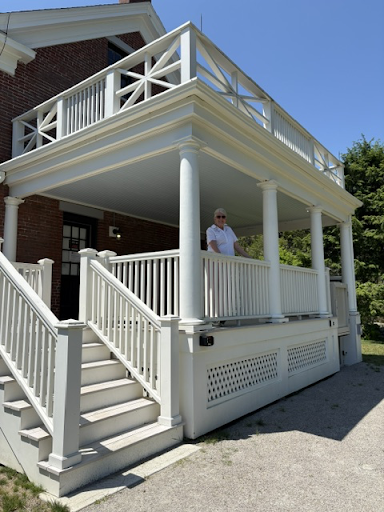
I enjoy visiting presidential homes and libraries because they tell the stories of the people who led our country. Places like this remind me that history is also shaped by individuals whose names may not appear as often in textbooks, yet whose contributions have touched the lives of generations. Frances Perkins is one of those individuals.
As one of the newest sites in our National Park System, the Frances Perkins National Monument ensures that her remarkable legacy, and the story of the woman who forever changed the lives of American workers, will continue to inspire future generations.
Read More
Read More From Nancy
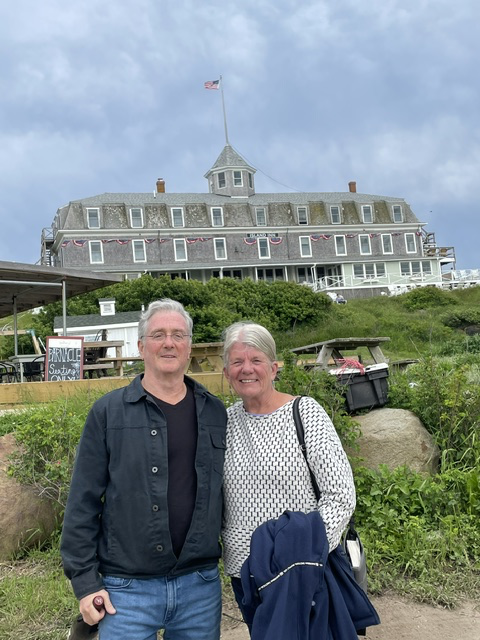
The Island Inn
Staying at the Island Inn became an important part of our experience on Monhegan Island. Perched on a bluff overlooking the harbor, the large, shingled inn seems perfectly suited to its surroundings. From the moment we arrived, there was a feeling that we had stepped into an earlier era of New England summer travel. The […]

Sarah Orne Jewett House
One of the highlights of visiting South Berwick, Maine, was touring the Sarah Orne Jewett House, one of New England’s important literary landmarks. Built in 1774 and expanded over generations, the house reflects both the architectural evolution of a prosperous New England family and the rich cultural heritage of the community. Best known as the lifelong home of author […]
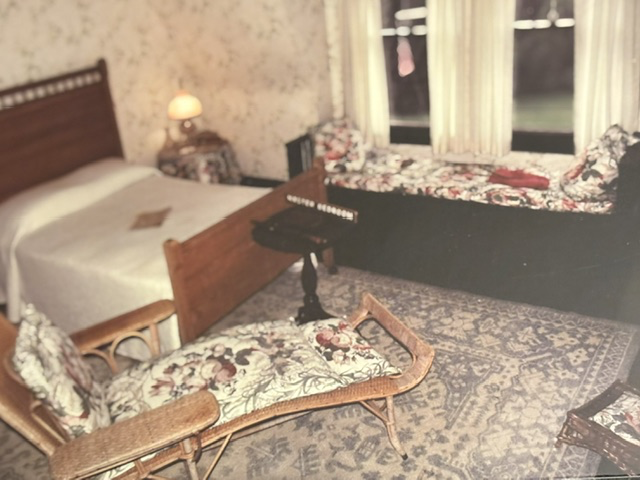
Roosevelt Campobello International Park
I have visited Roosevelt Campobello International Park several times during my travels through the Maritime Provinces. I enjoy exploring presidential homes and historic sites, and this one is especially meaningful because it reveals a side of Franklin Delano Roosevelt that few presidential sites can capture. Rather than focusing on the years of power and leadership, Campobello tells the story of Roosevelt […]

