Zion National Park
The first time I visited Zion was on one of our family road trips. Like so many of those trips, we had a plan, places we wanted to see, miles to cover, but nothing really prepared me for what it felt like to enter Zion.
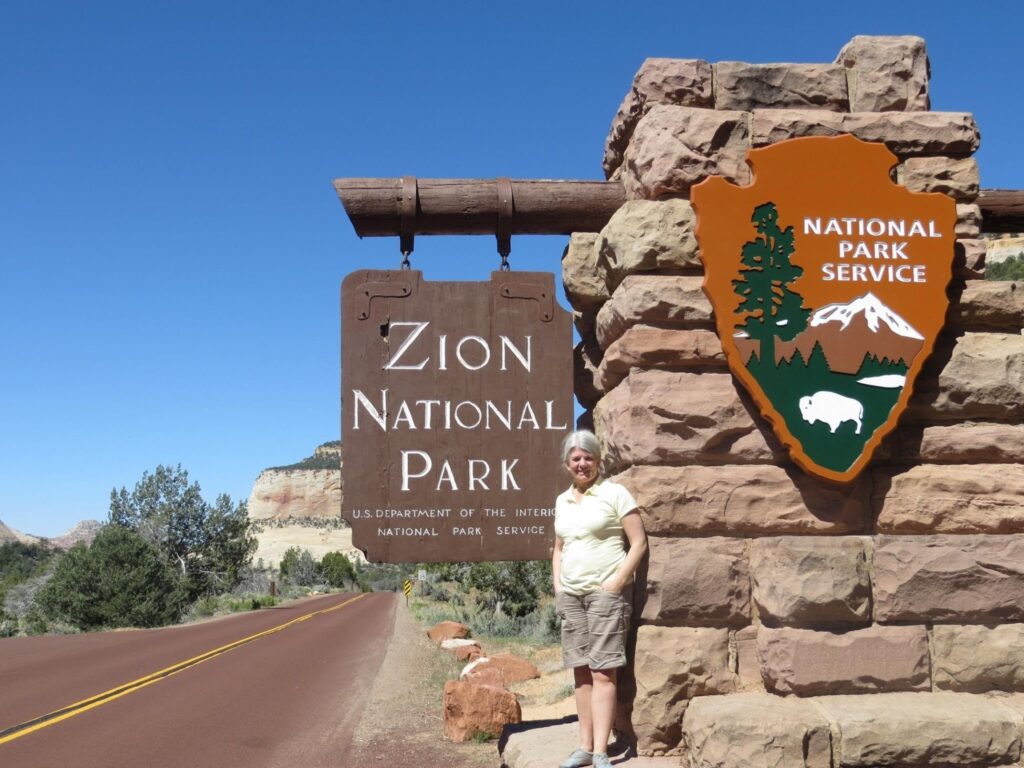
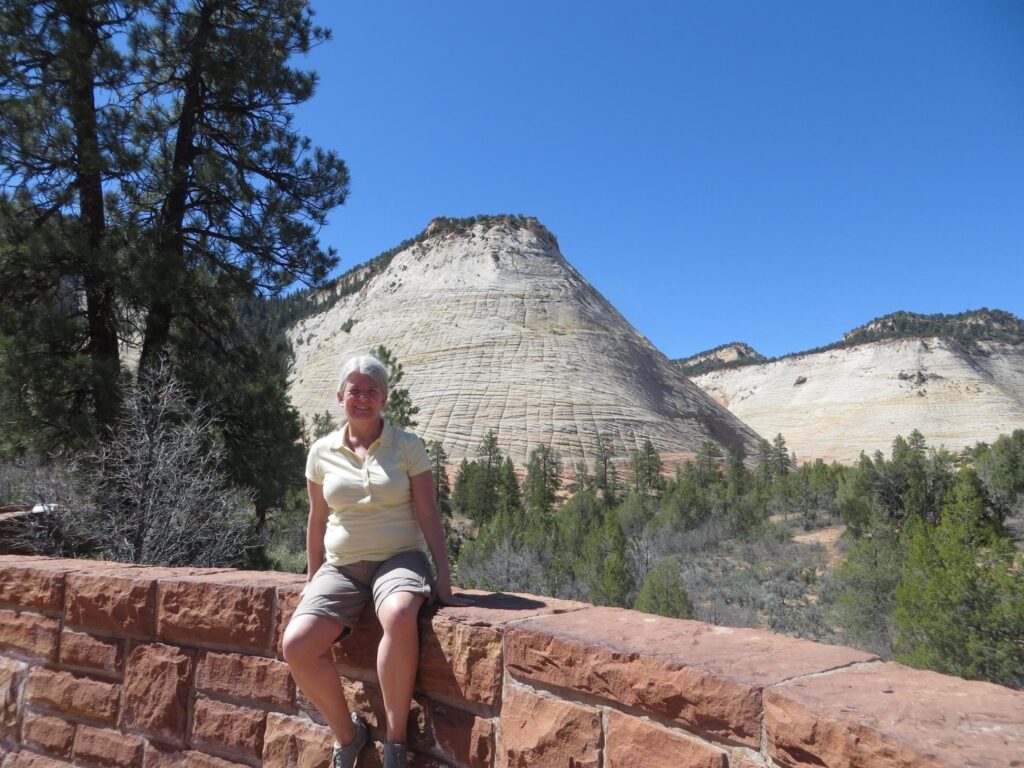
There are places where the scale of the land reshaped our sense of proportion, and Zion is one of them. The massive stone walls rise thousands of feet above the canyon floor, carved over time by the Virgin River. Towering sandstones formations create a landscape that feels immovable.
These structures were formed over millions of years, layers of ancient sand compressed into stone and then lifted and carved by water and time. The scale is what defines Zion.
The name Zion carries meaning. It was given by early Mormon settlers in the 19th century, who saw the canyon as a place of refuge. The work Zion meant sanctuary, a place of safety and spiritual significance.
The area was first protected in 1909 as Mukuntuweap National Monument by William Howard Taft. The name Mukuntuweap is a Paiute word.
In 1919, the area was redesignated as Zion National Park by Woodrow Wilson. The change in name reflected what visitors and settlers had begun calling it: Zion. Today, Zion is one of the most visited national parks in the country. The massive structures and narrow canyons create an experience that is both humbling and unforgettable.

Read More From Nancy
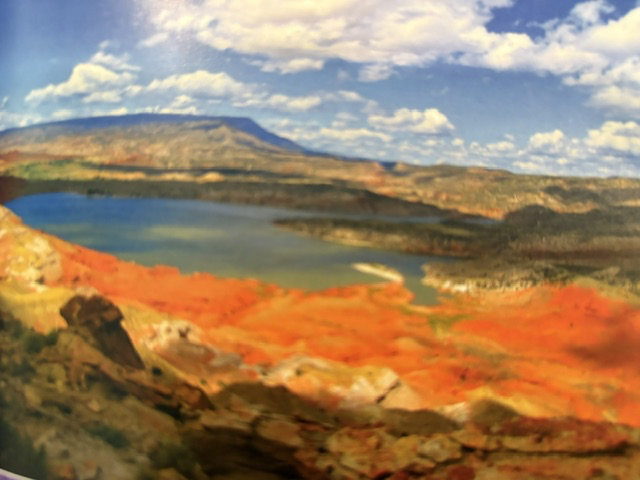
Bighorn Canyon National Recreation Area
Some landscapes tell their story through mountains or waterfalls. Bighorn Canyon tells its story through the relationship between water and stone. For millions of years, the Bighorn River carved its way through ancient limestone cliffs, creating one of the deepest canyons in the northern Rocky Mountains. Today, those towering canyon walls frame the waters of […]
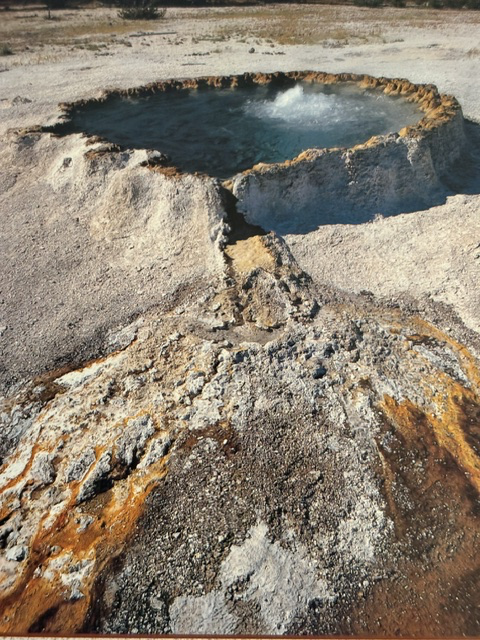
Yellowstone National Park
Yellowstone National Park is best known for Old Faithful, but some of the park’s most fascinating features are found away from the crowds. One of those places is Punch Bowl Spring in the Upper Geyser Basin, a beautiful hot spring that has quietly fascinated visitors for generations. Yellowstone holds a special place in American history. […]
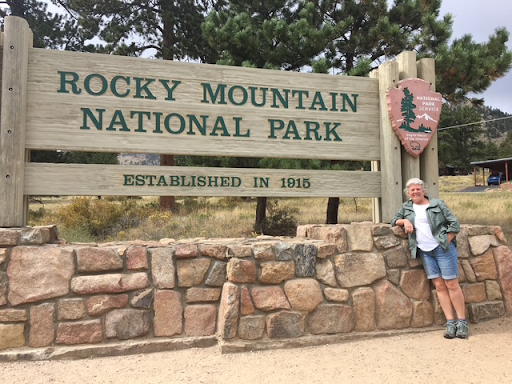
Rocky Mountain National Park
Another spectacular National Park is Rocky Mountain National Park. My oldest daughter Emily lives in the foothills of this park, so we have enjoyed more visits than most. From the rugged alpine cliffs to the mountain lakes, this landscape reminds us how diverse this park is. Established in January 1915, when Woodrow Wilson signed the act […]

