Fort Sumter
In the harbor of Charleston stands a place where the course of American history changed in a single moment: Fort Sumter.
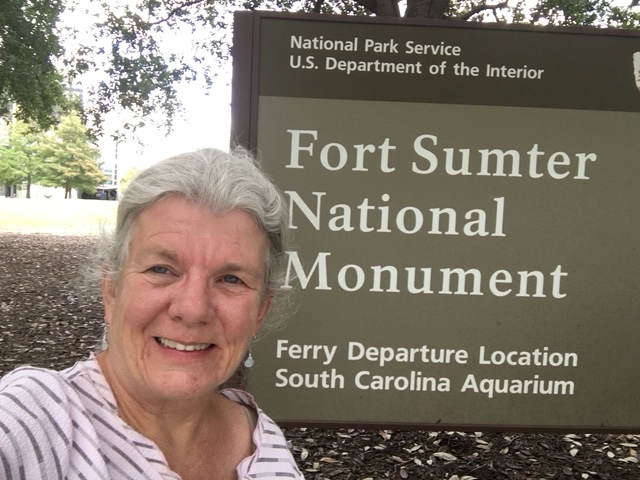
Built after the War of 1812 as part of a coastal defense system, the fort was still unfinished when tenstions between North and South reached their breaking point. By early 1861, South Carolina had seceded from the Union, and Fort Sumter remained one of the last federal strongholds in Confederate territory. Inside the fort, Union forces held their position, surrounded by Confederate troops.
On April 12, 1861, the Confederate opened fire on the fort. For 34 hours, cannon fire echoed across the harbor. The meaning of this was unmistakable, this was the beginning of the American Civil War.
Fort Sumter was the spark, the moment. For years there has been political division, economic tension and debate over slavery and now there was open conflict. What followed this moment, was four years of war that would reshape the nation.
After the war, the fort never returned to its original military purpose. Time, weather and the damage from the conflict had left if particularly in ruins. But its significance remains as it stood as a symbol of where it all began.
Recognizing this importance, the site was preserved as a national monument in 1948. It was established under Harry S. Truman and thus protected as a historic site where visitors could stand in the very place where the first shots were fired.
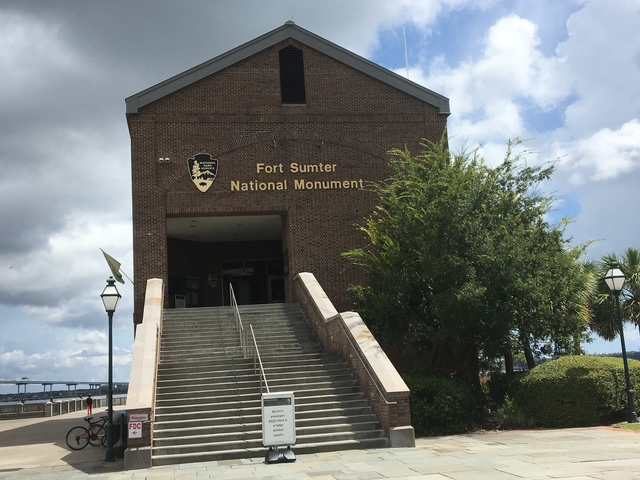
We took the boat ride across Charleston Harbor to reach the fort. The brick walls are still marked by artillery fire. The place marks a beginning of a defining chapter in American history.
Read More From Nancy
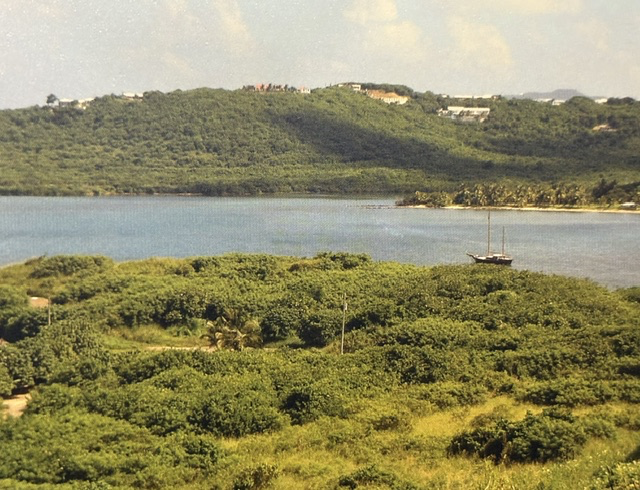
Salt River Bay National Historical Park and Ecological Preserve
When we visited St. Croix, one of the places we wanted to explore was Salt River Bay National Historical Park and Ecological Preserve. Rather than simply seeing the park from shore, we explored it by kayak, which gave us an opportunity to experience the landscape from the water and see the mangroves and shoreline up […]
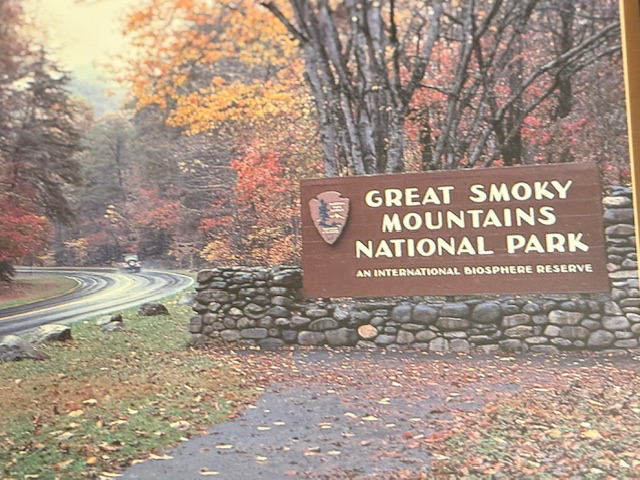
Great Smoky Mountains National Park
The Great Smoky Mountains National Park is another special national park, one that holds some of my fondest memories. It was here that Marty and I traveled for our first honeymoon, after our student wedding while still at Life University. I have visited again since then, but it is that first trip, exploring this beautiful area […]
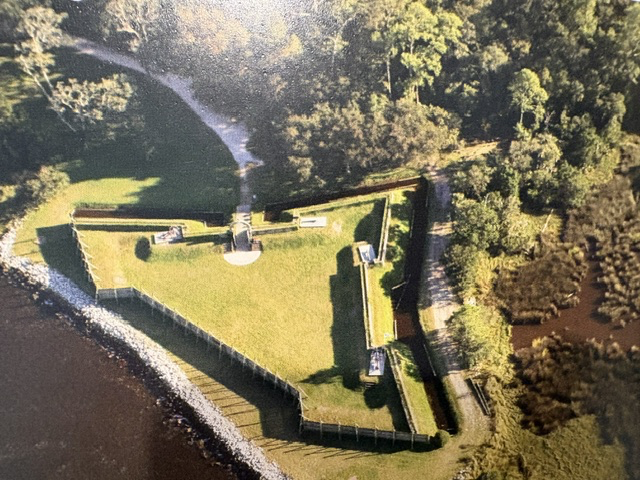
Fort Caroline National Memorial
Fort Caroline National Memorial preserves the story of France’s attempt to establish a permanent colony in Florida during the 16th century. In 1564, an expedition led by René Goulaine de Laudonnière constructed a triangular fort near the St. Johns River. The settlement was named La Caroline in honor of France’s King Charles IX. Many of […]

