Congaree National Park
Located just outside Columbia, South Carolina, Congaree National Park protects one of the largest remaining tracts of old growth bottomland hardwood forest in the United States. This is a floodplain, shaped by the seasonal rise and fall of the Congaree River, which brings nutrients into the soil and allows the trees here to grow exceptionally tall.
These trees are some of the tallest in the eastern United States. They grow straight and high, creating a canopy.
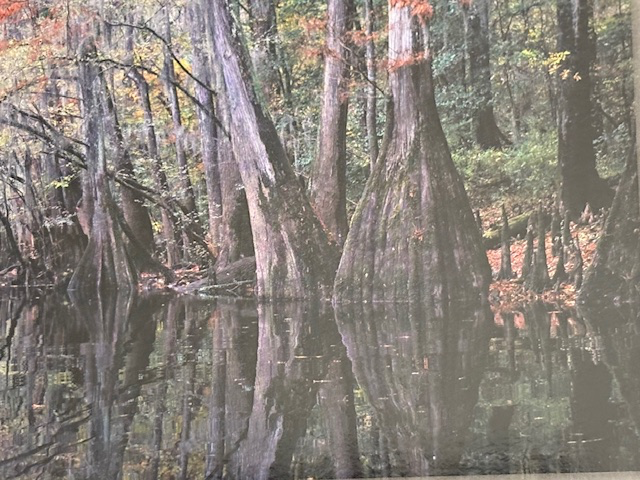
For years, this land was threatened by logging. In 1976, it was designated a national monument and later re-designated as a national park in 2003. With these designations, this area is now protected and preserved for the future.
Congaree has no sweeping vistas or dramatic elevation changes. The boardwalk trails carry you through the forest, just above the ground. This allowed us to move through a landscape that might otherwise be difficult to access.
The stillness, the reflections in the water and the height of the trees create an expansive space. This park is not what you see in the distance, but what you notice as you move through it.
Read More From Nancy
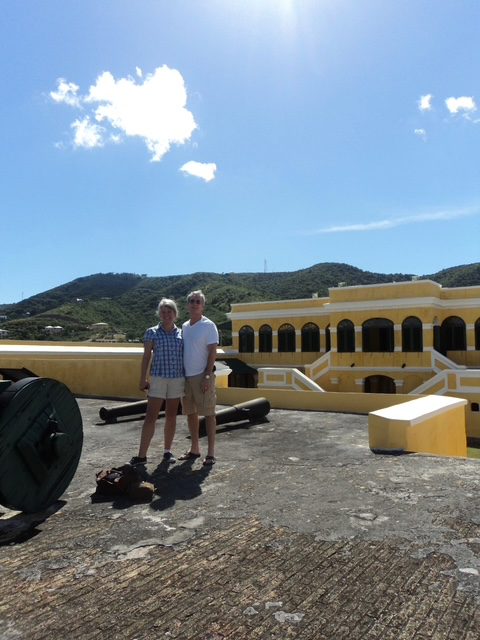
Christiansted National Historic Site
One of the highlights of our visit to St. Croix was exploring Christiansted National Historic Site. Standing atop the walls of Fort Christiansted, overlooking the harbor and surrounded by the distinctive yellow buildings of the Old Danish colonial town, it was easy to imagine the importance this port once held in the Caribbean. Christiansted National Historic […]
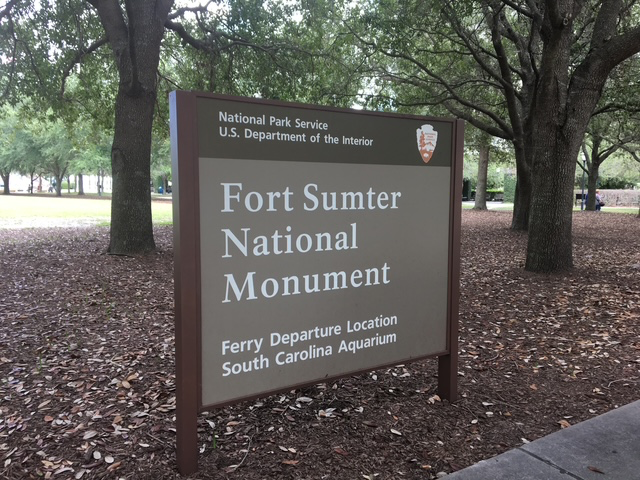
Fort Sumter
In the harbor of Charleston stands a place where the course of American history changed in a single moment: Fort Sumter. Built after the War of 1812 as part of a coastal defense system, the fort was still unfinished when tenstions between North and South reached their breaking point. By early 1861, South Carolina had […]
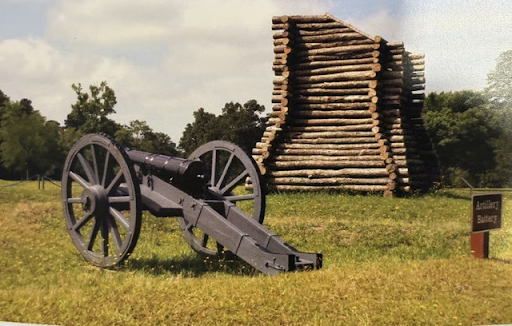
Ninety Six National Historic Site
Ninety Six National Historic Site in Ninety Six, South Carolina, preserves one of the most significant yet least-known battlefields of the American Revolution. Established as a National Historic Site in 1976, it tells the story of a frontier settlement where Native Americans, settlers, Loyalists, and Patriots all struggled for control of the South Carolina backcountry. […]

