Bell Island
While visiting Newfoundland, Marty and I made our way to Bell Island to take a tour of the mines.
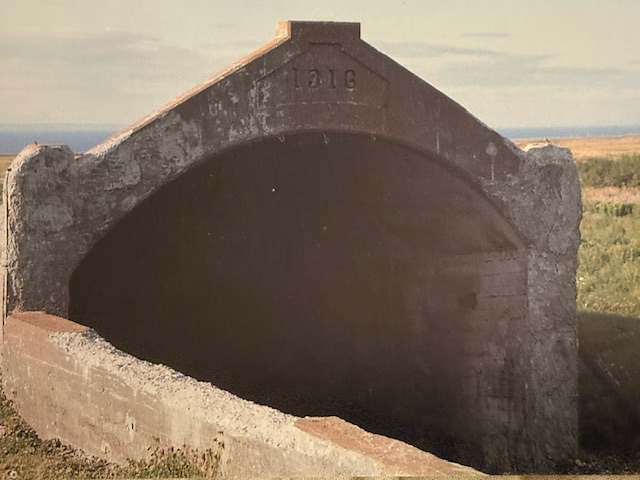
From the outside, the island is quiet, with coastal views, open sky and a sense of distance from everything else. But stepping into the mines reveals a different story.
Bell Island was once one of the most important iron ore mining centers in the world, with mining operations beginning in the 1890s and continuing until 1966. For decades, the island supplied iron ore to steel mills in Canada, the United States and Europe. At its peak, thousands of people lived and worked here, and the mines extended deep underground and far out beneath the ocean floor, an engineering achievement as well as an industrial one.
Walking through these underground spaces, we began to understand the scale of what took place here. The ceilings, the rock walls, and the long passages all reflect the work that defined this island for generations.
The conditions would have been demanding, dark, confined, and constant. Yet this was the livelihood of the community, shaping both the land and the people who lived here. Above ground, the island supported a full mining town: homes, schools and daily life all centered around the rhythm of the mines.
During World War II, German U-boats entered these waters and torpedoed ships carrying iron ore in 1942, recognizing the strategic importance of the island’s resources. Four ships were sunk, making Bell Island one of the few places in North America directly attacked during the war.
We loved our time on Bell Island. Above ground, the island is still, peaceful, with rugged cliffs, wildflowers and wide views of the Atlanta. Below, the tunnels tell a story of industry, labor and resilience
Here history is held within a place that, at first glance, seems so quiet.
Read More From Nancy
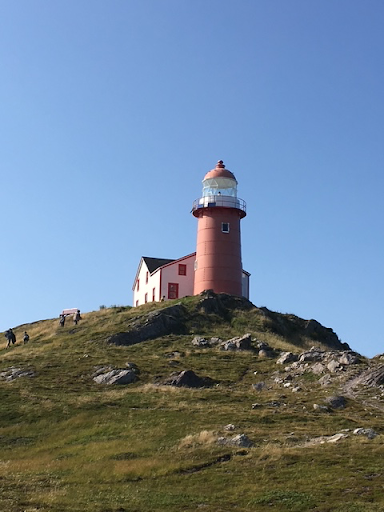
Ferryland Lighthouse
Ferryland is one of those places where history feels present and layered into the land itself. Marty and I made our way along the coastline of Newfoundland, where the road fellows the edge of the Atlantic, and each turn reveals another stretch of rugged shoreline. Arriving in Ferryland, there is a sense that this place has been […]
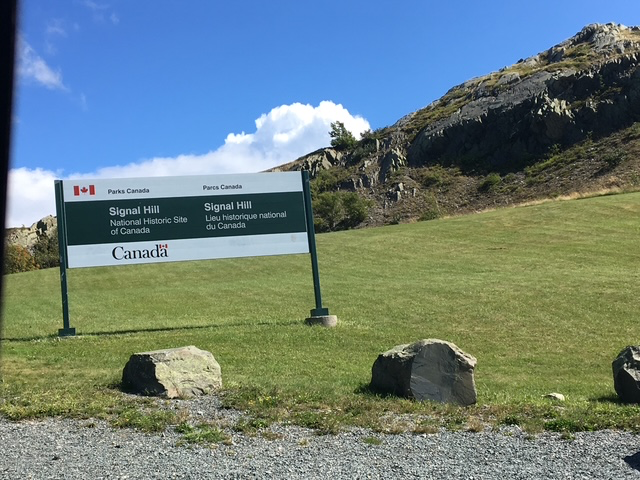
Signal Hill
High above the entrance to St. John’s Harbour, Signal Hill is one of those places where the landscape and the history are equally compelling. Standing here, with the Atlantic stretching out before us, it is easy to understand why this rocky height has been so important for centuries. Its location gave Signal Hill enormous strategic […]

