The Clark Block
In the center of Natick is this prominent commercial building labeled the Clark Block, 1874. Like many buildings constructed during that period, it reflects the growth of Natick as a busy manufacturing and commercial town in the later nineteenth century.
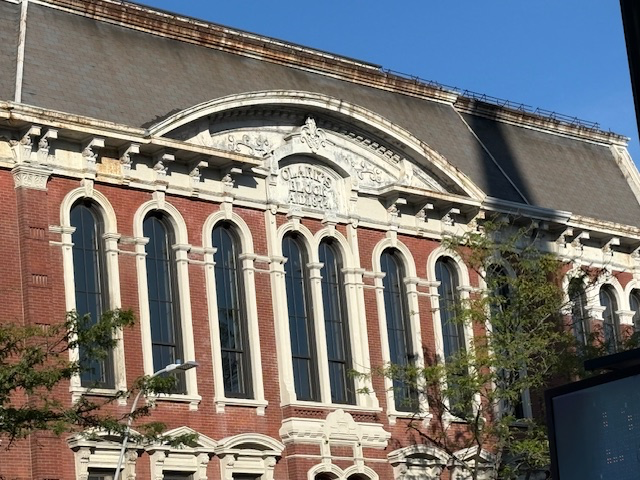
During this time Natick was becoming well known for its boot and shoe industry, which helped transform what had once been a small rural community into a thriving industrial town. Factories, shops and commercial blocks were built around the town center to serve both the growing workforce and the merchants who supported them.
The Clark Block was one of the important downtown buildings. Structures called “blocks” in the nineteenth century were typically multi-story commercial buildings that combined retail shops on the street level with offices, meeting rooms and public spaces above.
One of more interesting features of the Clark Building was the large hall on the upper floor, which included a spacious dance floor. In many New England towns, these upper halls were used for a wide range of community activities. The space would have hosted public dances, holiday balls and musical gatherings, where local bands played waltzes, polkas and other popular dances of the time. Before towns had dedicated theatres, auditoriums or community centers, buildings like the Clark Block served as the social heart of the town.
Today the building remains a reminder of the period when Natick was expanding as an industrial town. The Clark Block still stands as part of the historic fabric of the town center, recalling an era when the upper floor might be filled with music and dancing while the street below bustled with the activity of a growing Massachusetts community.
Read More From Nancy
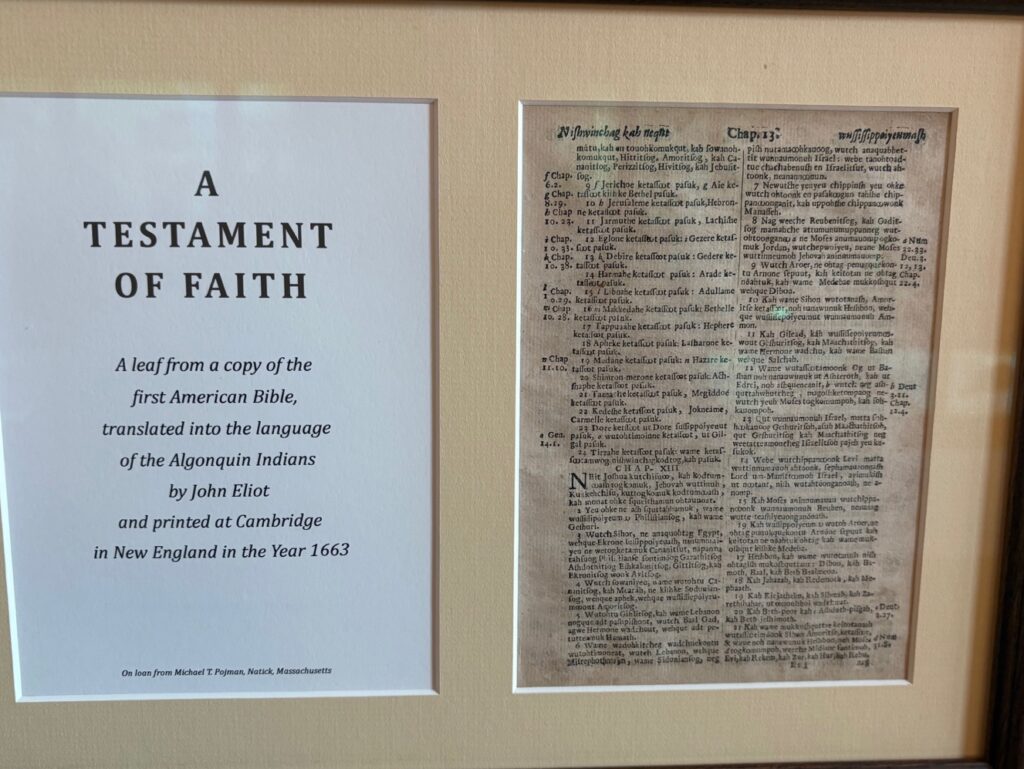
Algonquien Bible
A testament of faith and history, the Natick Historical Society preserves two artifacts tied to the earliest years of printing in North America and to the cultural crossroads that defined this town. The single leaf from the 1663 first edition of the Algonquien Bible was a page from the earliest Bible printed in America and […]

Walnut Hill School for the Arts
For more than 130 years, Walnut Hill School has been one of Natick’s most distinctive institutions. Founded in 1893 by Wellesley College graduates Florence Bigelow and Charlotte Conant, the school began as a college preparatory boarding school for young women. At a time when opportunities for women in higher education were still expanding, Walnut Hill […]
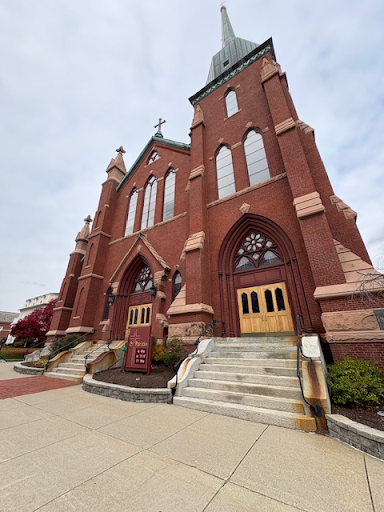
St. Patrick’s Church
The cornerstone of St. Patrick’s Church, laid in 1892, marks more than the construction of a building. It represents the beginning of an enduring Catholic presence in Natick. Before this time, Catholic families gathered in borrowed halls, private homes and makeshift chapels, worshipping quietly in a community still defined by its Protestant roots. By the late […]

