Horatio Alger’s Gravesite
This gravesite marks the Alger family plot in Glenwood Cemetery in Natick, the final resting place of Horatio Alger, Jr, one of the most read American authors of the late 19th century.
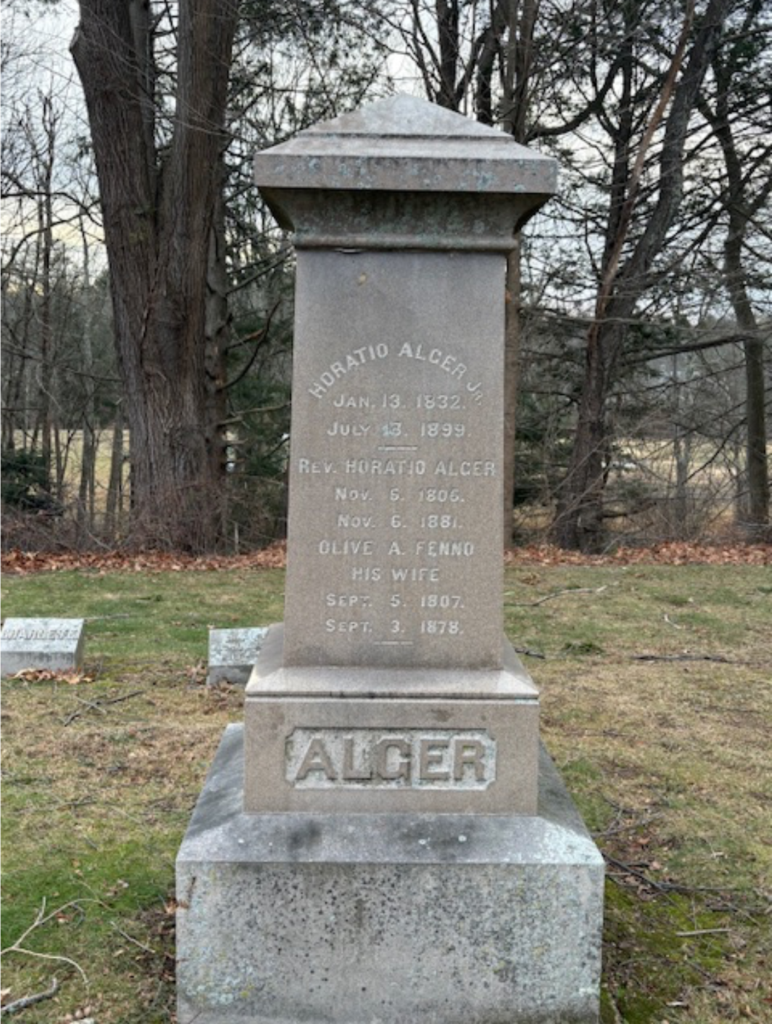
Alger was born in 1832 and grew up in Natick, where his father, Rev. Horatio Alger Sr. served as pastor of the First Congregational Church. His early life in this small Massachusetts town shaped his education and more framework. He attended Harvard and later Harvard Divinity School, initially following his father’s footsteps into the ministry.
In 1866, while serving as a Unitarian minister in Brewster, Alger was accused of inappropriate sexual conduct with adolescent boys in the parish. The allegations did not result in criminal charges, but they were taken seriously by church leaders. He resigned from the ministry and left Massachusetts soon afterward. This marked a turning point in his life.
Relocating to New York City, Alger turned to writing full time. There he began producing the novels that would define his legacy: stories of impoverished boys who rose through hard work, honesty, and perseverance to achieve success. Books such as “Ragged Dick” became enormously popular and helped shape what later generations would call the American Dream. His stories resonated deeply in the post-Civil War era, when industrialization and urban growth were reshaping the nation.
Despite his literary success and prolific output, he wrote more than 100 works, Alger did not accumulate lasting wealth. He faced periodic financial strain, and he eventually returned to Natick.
In 1899, Horatio Alger Jr. died in Natick and was buried in the family plot at Glenwood Cemetery. The man whose name became synonymous with “rags to riches” rests in Natick among his relatives. This is a story of a man shaped by faith, scandal, reinvention, literary success and ultimately returning to be buried in the town where his life began.


Read More From Nancy
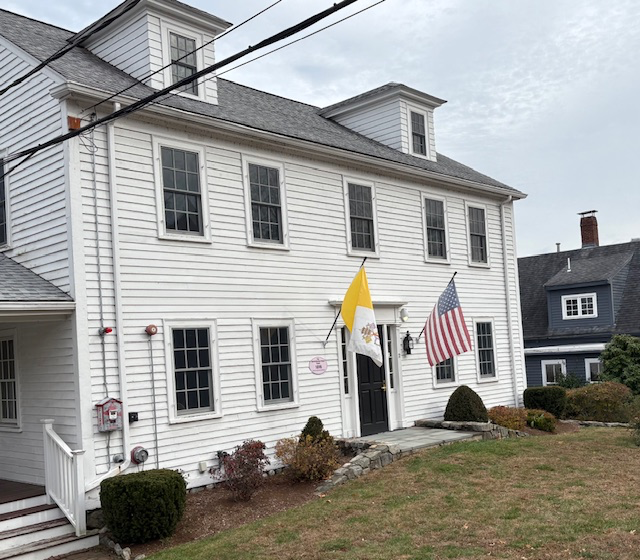
Home of Calvin Ellis Stowe
This 1816 Federal-style home in South Natick was the childhood home of Calvin Ellis Stowe a biblical scholar and later the husband of Harriet Beecher Stowe, author of Uncle Tom’s Cabin. Calvin Stowe became a scholar of Hebrew and biblical literature and met Harriet Beecher at the Lane Seminary in Cincinnati. They married in 1836, and […]
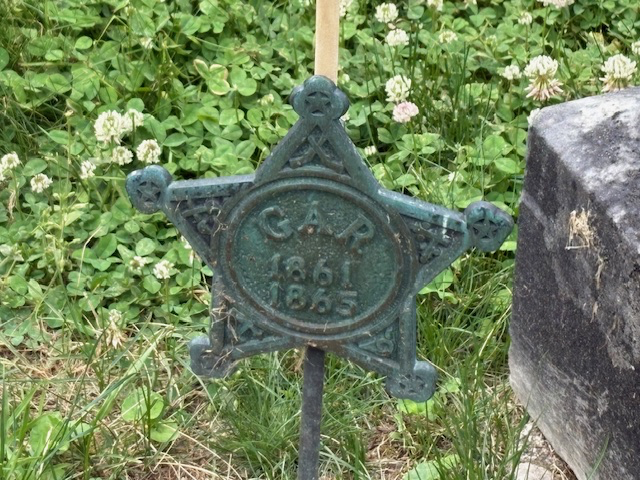
Glenwood Cemetery
Walking through the Glenwood Cemetery in Natick, there are many of these medallions and flags on the graves of veterans. All of these medallions are a bit different, but I had to look up what GAR stood for. It turns out GAR means the Grand Army of the Republic. This was a national fraternal organization […]
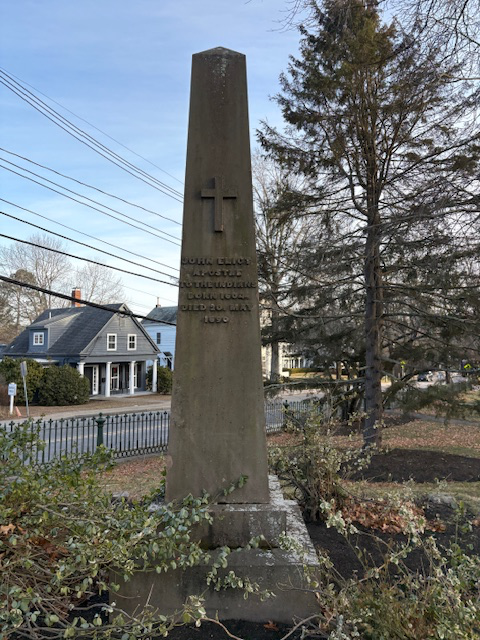
The John Eliot Monument
Standing quietly on a hill overlooking South Natick is this monument honoring John Eliot, the Puritan missionary often known as the “Apostle to the Indians.” Eliot devoted much of his life to working with the Native peoples of Massachusetts and is remembered for his efforts to share Christianity and establish communities known as “Praying Indian” towns. Arriving in […]

