Roger Williams National Memorial
Roger Williams National Memorial in Providence, Rhode Island preserves the legacy of a man whose ideas helped shape one of the most enduring principles of American life: religious freedom.
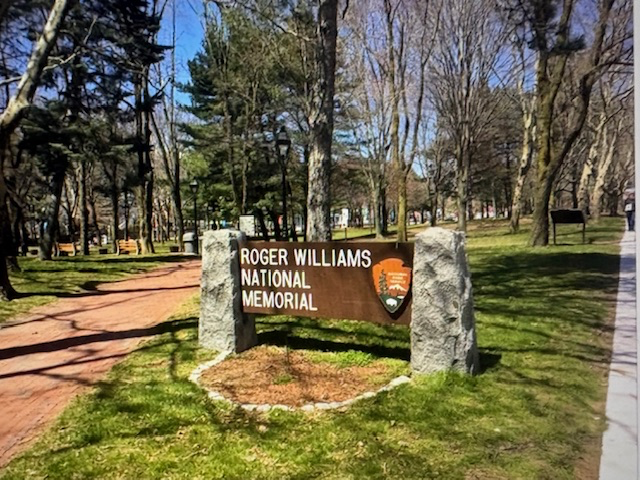
Roger Williams arrived in the Massachusetts Bay Colony in 1631 and quickly became known for his uncompromising beliefs. He argued that civil government should not enforce religious doctrine and that individuals must have freedom of conscience. He also insisted that land be fairly purchased from Natick peoples rather than simply claimed by royal authority. These positions brought him into conflict with Puritan leaders, and in 1636 he was banished from Massachusetts in the dead of winter.
Williams fled south and founded Providence, establishing a settlement grounded in liberty of conscience and separation of church and state. Rhode Island became a refuge for Baptists, Quakers, Jews, and others seeking freedom from religious persecution, a radical experiment in tolerance that would later influence the framing of the First Amendment.
The memorial marks the site of a freshwater spring near where Williams first settled. It was authorized by Congress in 1965 and signed into law by President Lyndon B. Johnson, officially becoming part of the National Park System that same year.
Unlike grand estates or battlefields, this memorial is a quiet green space in the city with interpretive panels and a statue. Standing in this park, I was reminded that some of America’s most foundational freedoms began in exile, with one man’s conviction that conscience should never be compelled by the state.
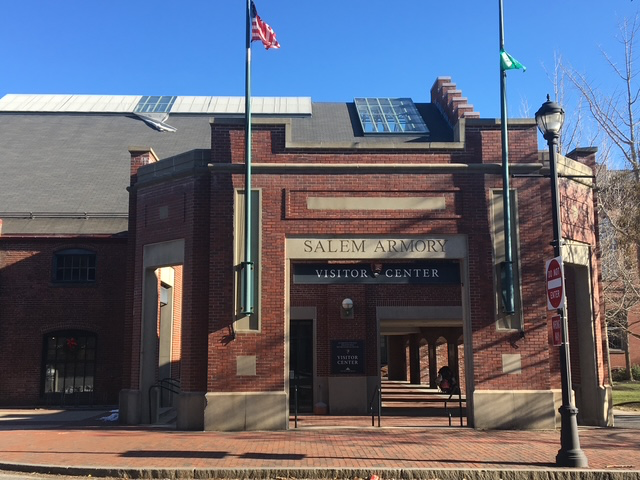
Read More From Nancy
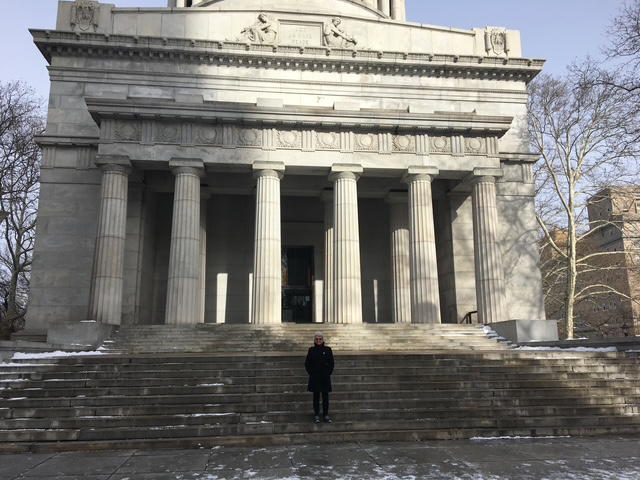
General Grant Memorial Park
The General Grant National Memorial, often called Grant’s Tomb, is the final resting place of Ulysses S. Grant. Located along Riverside Drive in New York City, it stands as the largest mausoleum in North America and one of the most prominent memorials to a Civil War figure. Grant died on July 23, 1885. At the time of […]
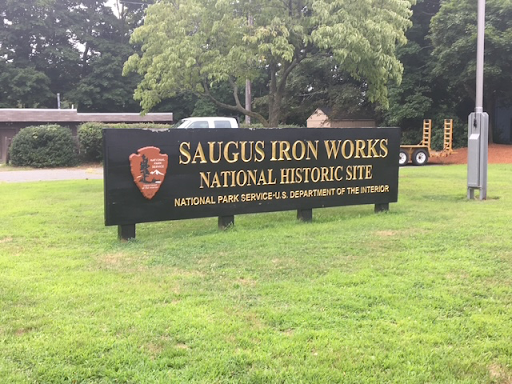
Saugus Iron Works National Historic Site
Long before Massachusetts became synonymous with textile mills, industry was already taking root along the Saugus River. In 1646, a group of English investors organized as the Company of Undertakers of the Iron Works in New England established what would become the first successful integrated ironworks in colonial North America. Their goal was to reduce the […]
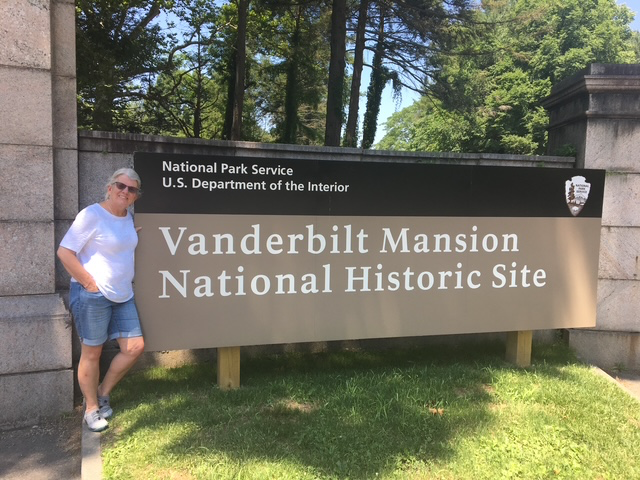
Vanderbilt Mansion National Historic Site
While traveling through the Hudson River Valley, we made our way to Hyde Park to visit the Vanderbilt Mansion National Historic Site. Set above the Hudson River, the estate presents a sense of scale. This was the country home of Frederick William Vanderfilt, a member of one of the most influential families of the Gilded Age. […]

