Women’s Rights National Historical Park
Driving across upstate New York is full of history, landmarks, and monuments. A brown National Park sign in Seneca Falls led me to the Women’s Rights Museum, and like any new place, that first visit left me with a lot to take in. I did not know then about the convention that had taken place here.
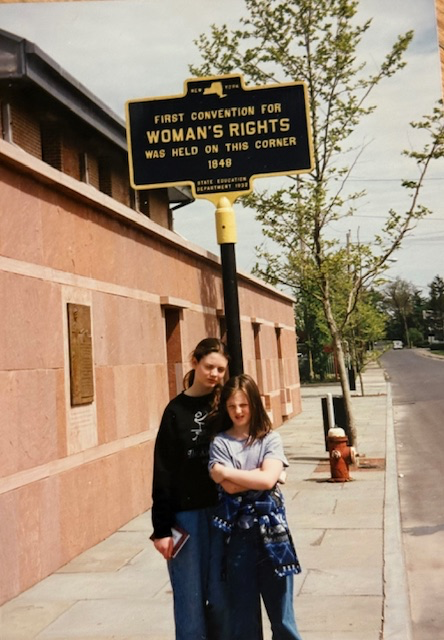
Since that first stop, I have returned a few times. I visited the home of Elizabeth Cady Stanton and learned more about what happened in this small town in 1848. It was here that she, along with Frederick Douglass and other forward-thinking people, gathered for what would become the first Women’s Rights Convention.
At this time, the limitations placed on women were striking. Women could not vote, could not own property in many cases, and were not protected equally under the law. These were no abstract ideas they were the realities of daily life.
And yet, here is Seneca Falls, people came together to begin addressing those realities. In the Wesleyan Chapel, they discussed, debated and ultimately put forward the Declaration of Sentiments, a document that challenged the existing structure and called for equal rights, including the right to vote.
What stands out is not just what they were asking for, but where it happened. This was not a major city or political center, but a small town. And still, it became the place where a national movement found its voice.
The site itself was preserved as part of our national history in 1980 when President Jimmy Carter established it as a National Historical Park.
I enjoy visiting this place and return with a deep appreciation for the people who gathered here and the significance of what they began.
Read More From Nancy
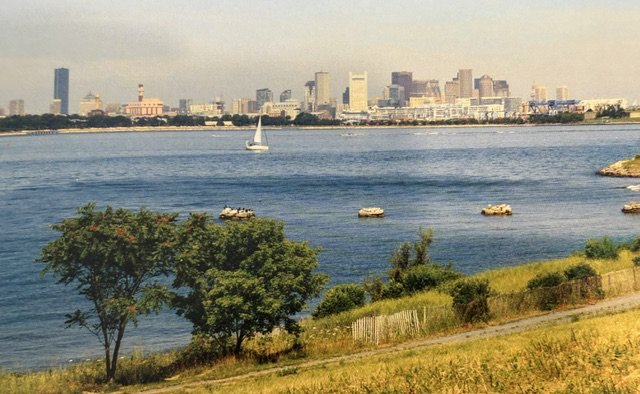
Boston Harbor Islands National Recreation Area
Boston Harbor Islands National Recreation Area is one of the more unusual units of the National Park System. Established in 1996, it preserves a collection of more than 30 islands scattered throughout Boston Harbor, each with its own unique history. Together they tell the story of Boston’s maritime heritage, military defenses, immigration, public recreation, and […]
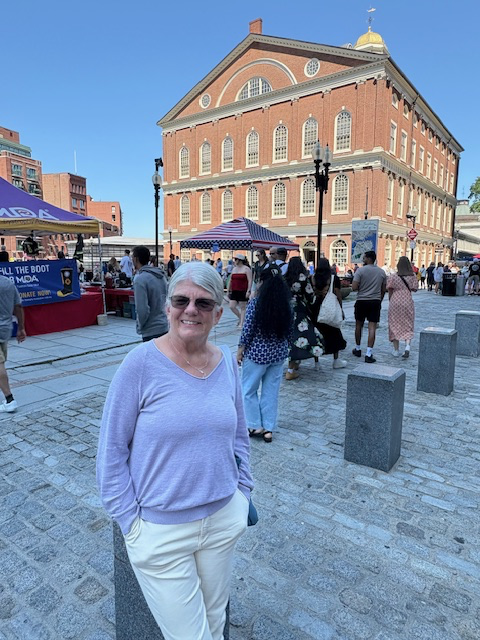
Boston National Historical Park
Standing here in front of Faneuil Hall, you feel both the energy of the present and the weight of the past at the same time. Built in 1742 as a marketplace and meeting hall, it quickly became something more. This is where the people of Boston gathered to speak openly about their future, and where […]
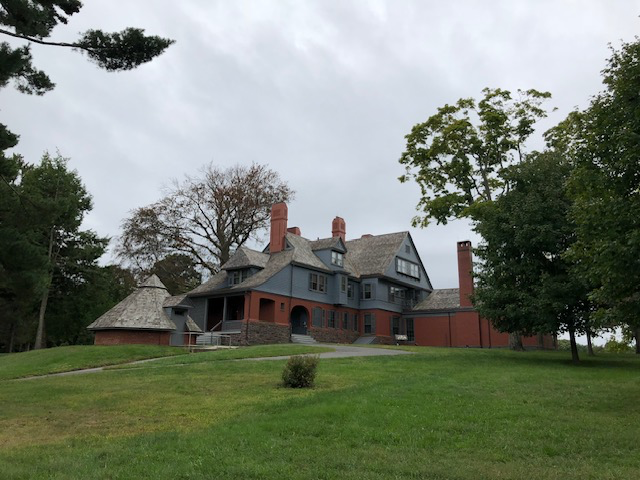
Sagamore Hill
Sagamore Hill National Historic Site is a remarkable home and a lasting testament to the giant of a man, Theodore Roosevelt. Much has been written about this extraordinary figure who rose to the presidency at the young age of 42. Often regarded as one of the most intelligent and dynamic presidents. Roosevelt left an indelible mark with […]

