Glacier National Park
One of our most majestic national parks is also one of the few I have only been fortunate enough to visit once.
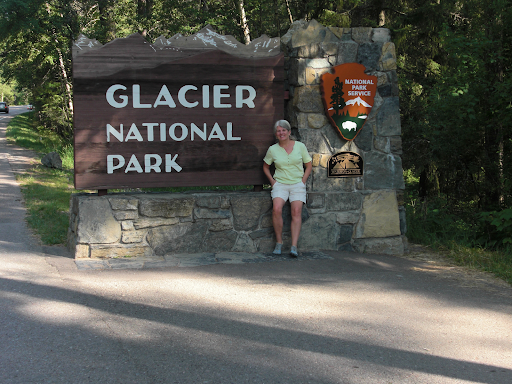
Glacier National Park, located in northern Montana along the Canadian border, is part of a larger protected ecosystem that extends into Canada as Waterton Lakes National Park. Together they form the Waterton-Glacier-International Peace Park. This is the world’s first international peace park, established in 1932 as a symbol of cooperation between the United States and Canada.
Our time there was as spectacular as any place we have ever visited.

The scale of the mountains is commanding as sharp, glacially carved peaks rise above alpine meadows and crystal-clear lakes. The famed Going-to-the-Sun Road winds its way through the heart of the park, climbing along cliffs and crossing the Continental Divide at Logan Pass. Driving this narrow, dramatic road was an unforgettable experience.
The park was established in 1910 by President William Howard Taft to preserve its rugged wilderness, glaciers and diverse wildlife. At the time, more than 100 glaciers dotted the landscape. Today, far few remain.
We rented a canoe to explore Lake McDonald. Paddling out into the lake, we were surrounded by mountains on all sides. The water was remarkably clear near the shoreline, revealing the lake’s well-known multicolored stones beneath the surface.
Though I have only visited Glacier once, it has left a deep impression and a longing to find my way back. Glacier National Park is vast, rugged and unforgettable.
Read More From Nancy
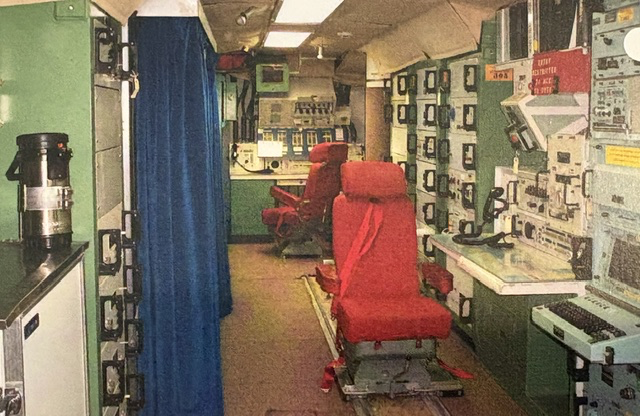
Minuteman Missile National Historic Site
One of the most fascinating units of the National Park System is the Minuteman Missile National Historic Site in western South Dakota. Established by Congress in 1999 and opened to the public in stages during the following decade, the site preserves the history of the Cold War, nuclear deterrence, and one of the most significant […]
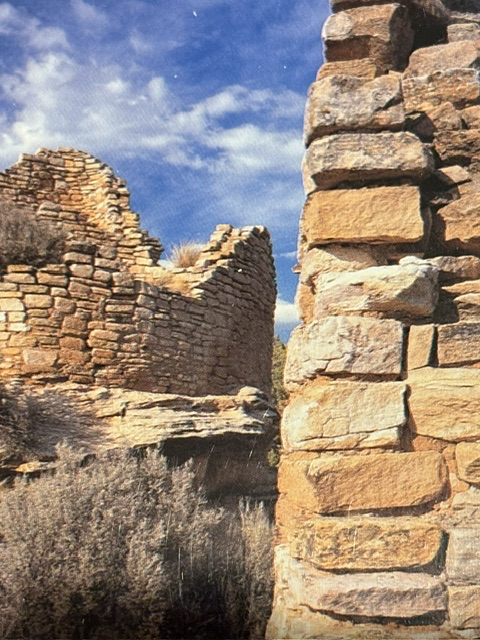
Hovenweep National Monument
The stone towers and walls of Hovenweep National Monument rise from the desert landscape. This monument is located in the remote Four Corners region along the border of Colorado and Utah. Hovenweep feels isolated even by Southwestern standards. Reaching this monument required traveling long stretches of quiet desert roads. The name Hovenweep comes from a Ute/Paiute word translated as “deserted […]
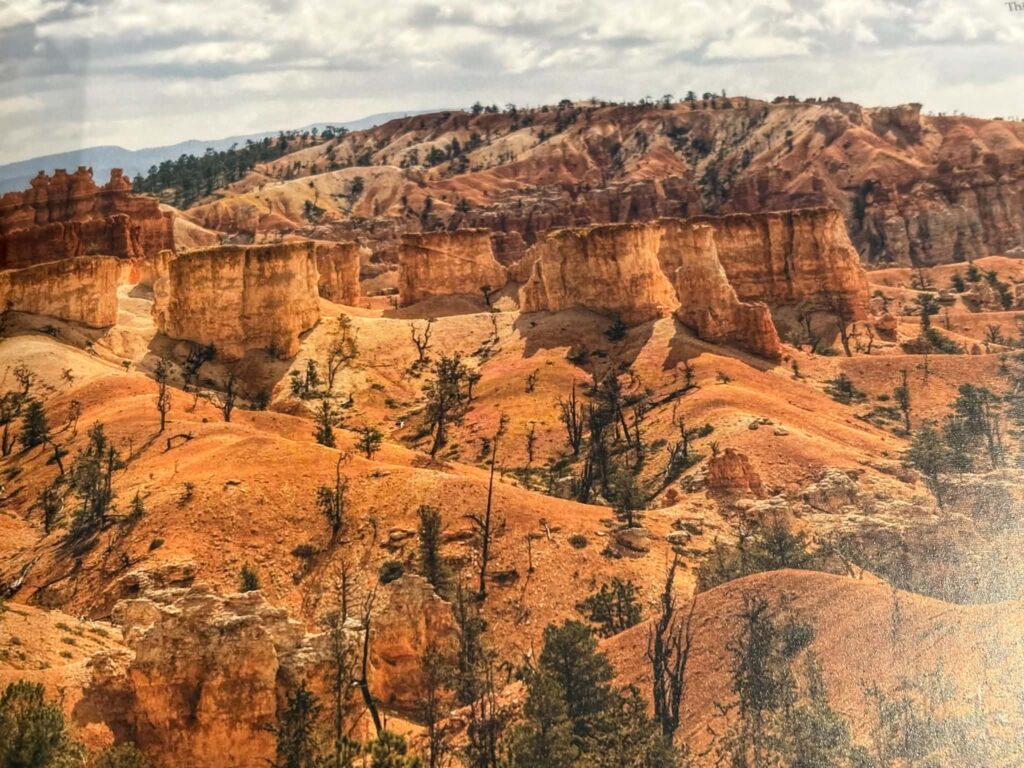
Bryce Canyon National Park
Bryce Canyon National Park is located in southern Utah on the Paunsaugunt Plateau, with elevations ranging from 8,000 to over 9,00 feet. Despite its name, it is not a canon formed by a river. Instead, it is a series of natural amphitheaters carved into the edge of a plateau through erosion. The park is best […]

