Paterson Great Falls National Historical Park
Driving back from an event in New Jersey, I spotted the familiar brown National Park sign for Great Falls of Paterson. Recognizing that unmistakable marker, I asked Marty to pull off the highway for a newer national park.
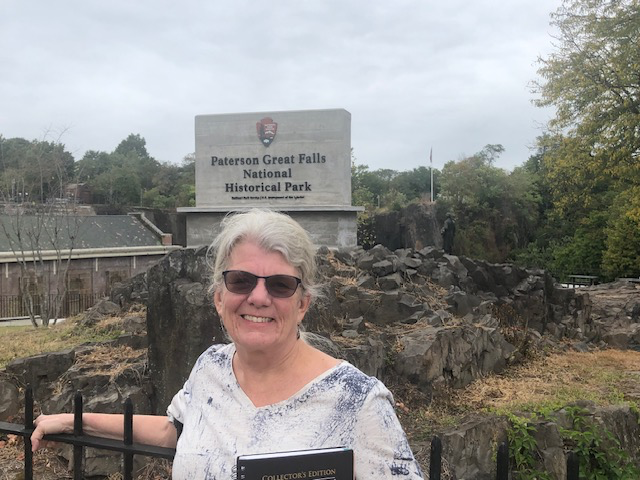
What we found was the Great Falls of the Passaic River plunging about 77 feet. We learned beyond the beauty of the falls lies a significant chapter of early American history.
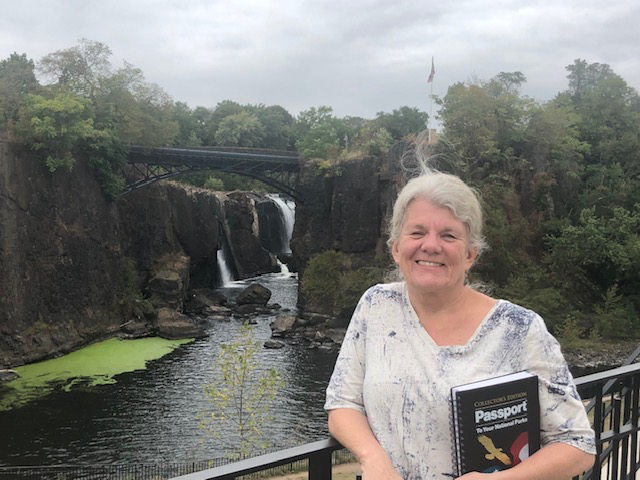
In 1791, Alexander Hamilton, the first Secretary of Treasury, envisioned using the power of the river to fuel American industry and reduce dependence on foreign manufacturing. Peterson became one of the country’s first planned industrial cities. A system of raceways diverted water from the falls to power mills that produced textiles, silk and firearms. By the late 19th century, Paterson was known as “Silk City” and its mills helped drive the American Industrial Revolution.
The site was officially designated a National Historical Park in 2009 and signed into law by Barack Obama. The site was recognized for both the natural power of the falls and their role in shaping the nation’s economy.
History hides in plain sight. A brown sign along the highway and a decision to pull over led us to this site. Exploration is not always carefully planned; sometimes it begins with curiosity. These unplanned stops often lead to a deeper understanding of how water, vision and industry helped shape a young nation.
Read More From Nancy
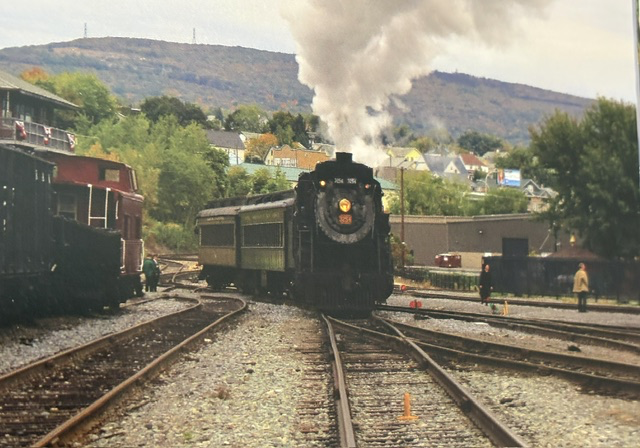
Steamtown National Historic Site
I have enjoyed taking the drive across New York and into Scranton as an alternative to the busy highways of the Northeast. The route is more relaxing, the scenery is beautiful, and it offers the opportunity to stop at the Steamtown National Historic Site. Located in the heart of Scranton, Steamtown preserves the history of […]
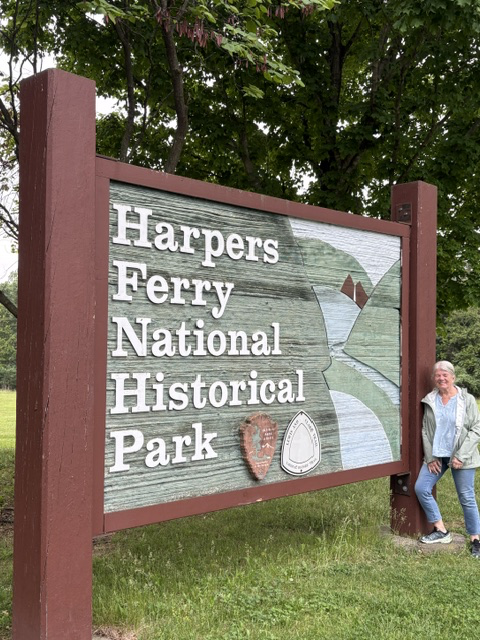
Harpers Ferry National Historical Park
A great opportunity to re-visit Harpers Ferry National Historical Park in 2026. Walking through the historic town once again and visiting John Brown’s fort and museum brought history back to life in a powerful way. Few places in America hold so many lawyers of history within such a small landscape. The town is forever tied to the events […]
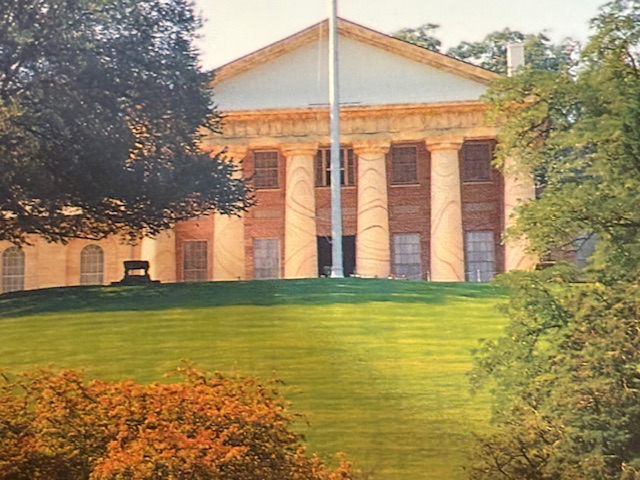
Arlington House, Robert E. Lee Memorial
Arlington House, The Robert E. Lee Memorial sits high above the Potomac River, its columns facing directly toward Washington D.C. The home was built between 1802 and 1818 by George Washington Parke Custis, who intended it as a living memorial to his step-grandfather, George Washington. From its earliest days, this was designed to honor the legacy of […]

