The Gingerbread Cottages
Behind the colorful cottages of Oak Bluffs lies a history that began with tents, outdoor preaching, and summer gatherings. In 1835, Jeremiah Pease and six fellow members of the Edgartown Methodist Church secured land for a religious camp meeting on Martha’s Vineyard. The gathering place became known as Wesleyan Grove, the beginning of the community now commonly called the Campground.
Families returned for worship and fellowship, gradually replacing temporary accommodations with small wooden cottages. Their close spacing preserved the intimate character of the earlier encampment. Narrow paths, small gardens, and porches facing neighboring homes encouraged conversation and a shared life outdoors. The resulting neighborhood retained the arrangement of a gathering place even as its buildings became more permanent.
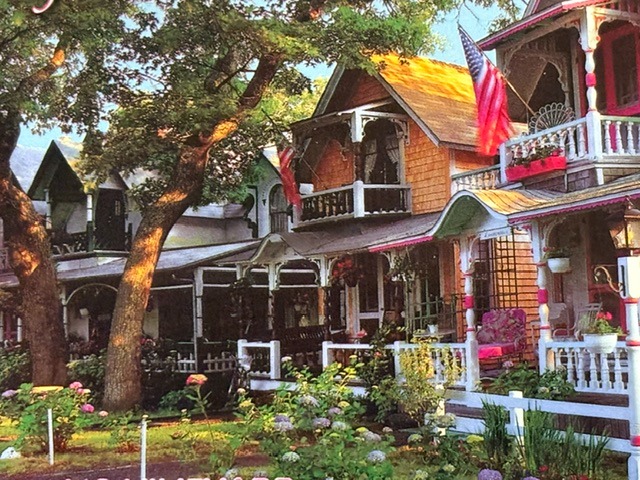
The cottages became distinctive examples of Carpenter Gothic architecture. Steep rooflines, pointed openings, delicate porch posts, and elaborate wooden trim translated Gothic-inspired forms into small domestic buildings. The decorative scrollwork earned them their familiar “gingerbread” name. Bright paint schemes emphasize the details, giving each cottage an individual personality within the closely connected neighborhood. More than three hundred cottages survive, many dating from the years following the Civil War.
Their charm comes partly from their scale. Decoration that might seem modest on a large house becomes prominent across a tiny porch or beneath a narrow gable. A balcony, a painted railing, or an intricately cut bracket can define an entire façade. Together, the cottages demonstrate how much variety builders and owners could create within limited space.
The Campground remains a religious community under the Martha’s Vineyard Camp Meeting Association, with the iron Tabernacle at its center. Recognition as a National Historic Landmark in 2005 acknowledged the importance of this surviving camp-meeting landscape. Its cottages preserve both a distinctive architectural tradition and the physical form of a community built around returning, gathering, and spending time together.
Read More From Nancy
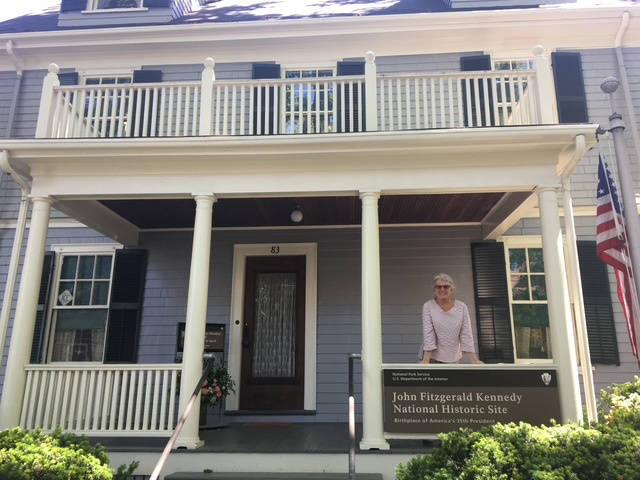
John F. Kennedy’s Birthplace
The John Fitzgerald Kennedy National Historic Site in Brookline, Massachusetts offers the opportunity to step into the earliest chapters of that life that would shape world history. Touring this modest home, you are greeted by the recorded voice of Rose Kennedy. She calmly recounts the rhythms and rituals of family life. Through her reflections, the house […]
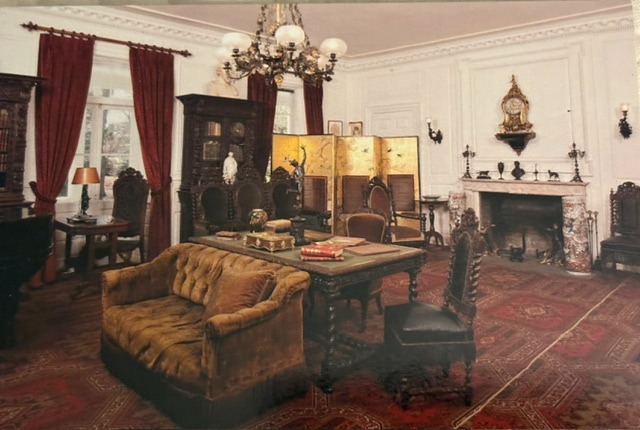
The Library — Longfellow House
The library at Longfellow House has served very different purposes across its history. Its bookcases, upholstered furniture, and large central table suggest a comfortable place for reading and conversation. During the American Revolution, however, this was a busy military office. In 1775–1776, George Washington’s aides used the room to prepare orders and manage the correspondence […]
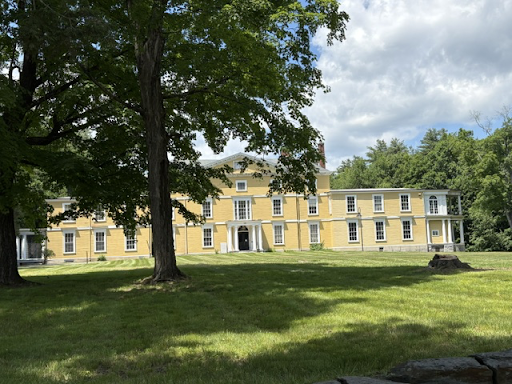
Nathaniel Thayer Estate
Driving through South Lancaster, I was surprised to come upon one of the grandest estates in central Massachusetts: the Nathaniel Thayer Estate, later known as Thayer Hall. Set amid expansive lawns and towering trees, the stately yellow mansion immediately conveyed the elegance and prosperity of nineteenth-century New England. Although many visitors associate South Lancaster with […]

