The Striped Pig
In September 1838, visitors attending a military muster on Dedham’s Lower Plain encountered an unusual attraction: a pig painted with stripes. For a small admission fee, they could enter a tent to inspect the animal. Inside, they also received a glass of spirits. The pig supplied the entertainment—and an inventive way around a controversial liquor law.
Earlier that year, Massachusetts had passed legislation prohibiting liquor sales in quantities smaller than fifteen gallons. Intended to discourage drinking, the restriction placed ordinary purchases beyond the reach of many customers while allowing those with sufficient money to buy in bulk.
The striped-pig enterprise exploited a distinction between selling alcohol and giving it away. Customers ostensibly paid to see a curiosity; their drink accompanied the visit without a separate charge. The attraction became a pointed response to the law and an embarrassment to its supporters.
News of the episode spread beyond Dedham. Songs, pamphlets, and satirical illustrations transformed the animal into a recognizable symbol in arguments over temperance, personal liberty, and government authority. What began as a local scheme became material for a much broader political debate.
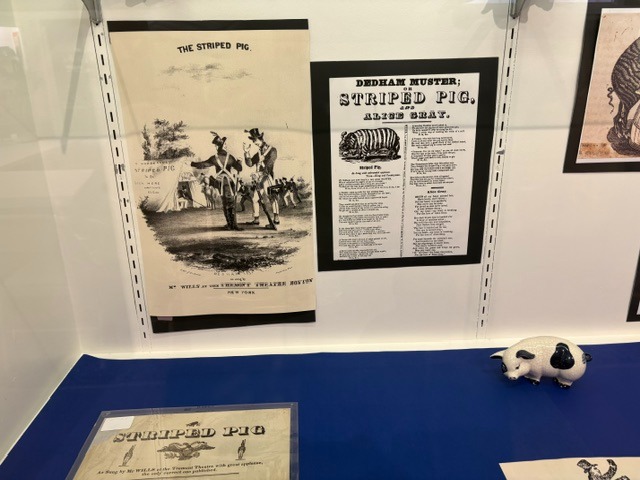
At the Dedham Museum & Archive, printed accounts, illustrations, and related objects preserve this unexpected chapter of local history. The exhibit connects the humor of the striped pig with the serious disagreements surrounding efforts to regulate alcohol.
The story offers a revealing glimpse of nineteenth-century America: reformers sought to change public behavior, opponents challenged their methods, and an ordinary farm animal became the memorable centerpiece of the controversy.
Read More From Nancy
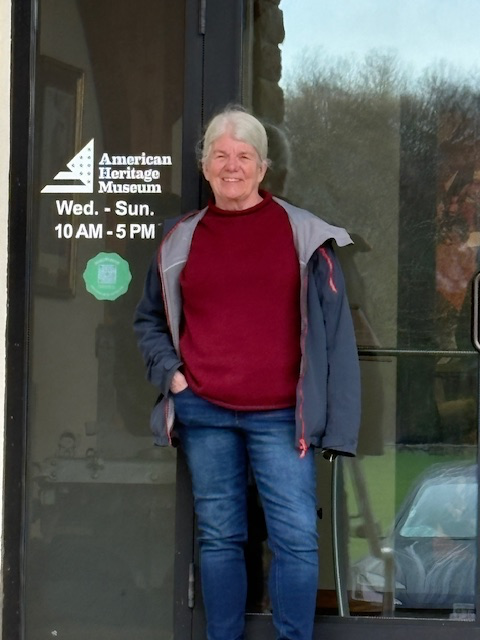
American Heritage Museum
Out exploring on a rainy Sunday, let us to the American Heritage Museum in Hudson. From the outside, it doesn’t reveal the depth of what’s inside. Stepping through the doors, the scale and intention of the museum became very clear. This is not a collection of artifacts behind glass, but an immersive walk throughhistory. The museum was developed […]
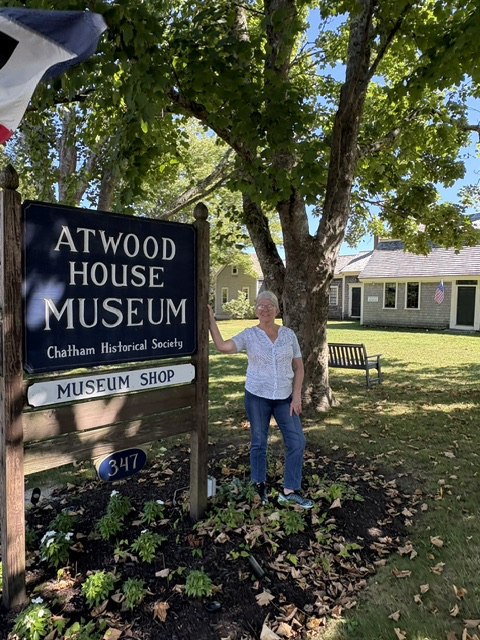
Atwood Museum
Joseph Sears Atwood was born in Eastham in 1720 and first went to sea at the age of ten. Like many young boys beginning a maritime career, he started as a cook aboard fishing vessels sailing to Nova Scotia and the Grand Banks. He gradually advanced through the ranks, becoming a seaman, mate, chief mate […]
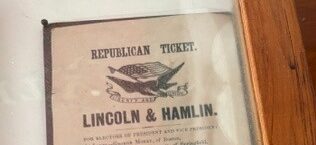
The Lincoln–Hamlin Republican Ticket
A narrow printed sheet preserved at the Needham History Center & Museum carries the names “Lincoln & Hamlin” beneath an eagle and American flag. This Republican ticket connects the presidential election of 1860 with a voting practice quite different from the one familiar today. Abraham Lincoln of Illinois and Hannibal Hamlin of Maine headed the […]

