The Washington Kerchief
A printed cotton kerchief preserved at the Needham History Center & Museum carries a bold Revolutionary message. George Washington appears on horseback, surrounded by military imagery and words identifying him as the founder and protector of America’s liberty and independence. An everyday textile became a declaration of political allegiance.
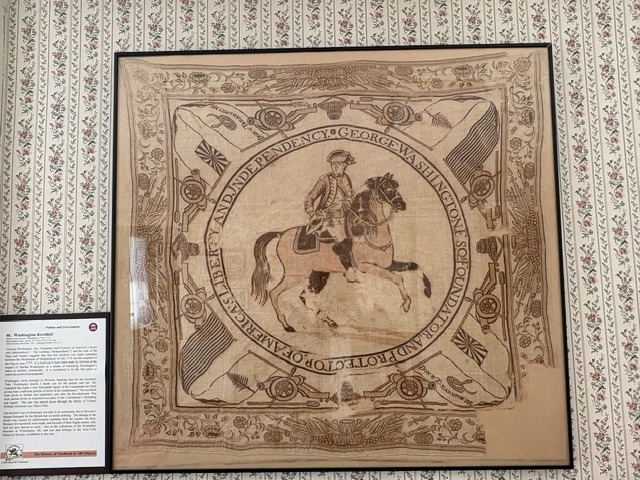
The museum dates the kerchief to about 1776–1777 and attributes it to Philadelphia textile printer John Hewson. Its imagery helped present Washington as a commanding figure at a time when the outcome of the Revolution remained uncertain. According to the museum’s account, Martha Washington encouraged its production to strengthen her husband’s public image.
The design brought political expression into a portable, personal object. Its owner could display support for the American cause through something that could be carried, shown, and eventually preserved as a keepsake.
This particular kerchief descended through the family of Colonel William McIntosh, a Needham resident who served during the Revolutionary War and held numerous public offices. His connection with Washington gives the textile a local significance beyond its patriotic design. In 1911, McIntosh’s descendant Timothy Otis Fuller donated it to the newly established historical society.
Its survival is remarkable. Cotton is vulnerable to wear, and the museum identifies deterioration associated with the dyes used in printing. Preserved through generations, the kerchief connects the public language of the Revolution with one family’s memory of service and friendship. It also shows how political messages circulated through objects long before modern campaign advertising.
Read More From Nancy
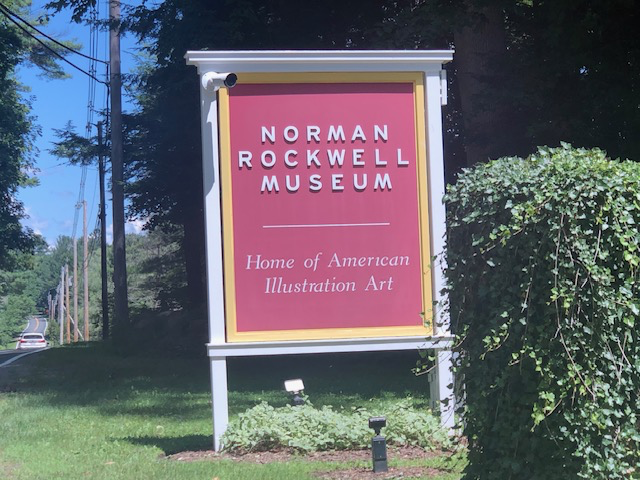
Norman Rockwell Museum
I love returning to the Norman Rockwell Museum in Stockbridge. The museum holds the world’s largest collection of Rockwell’s work, along with changing exhibitions that examine American illustration and the artists who used pictures to tell stories. Because the special exhibitions change, each visit offers something different, even when the familiar paintings remain the reason […]
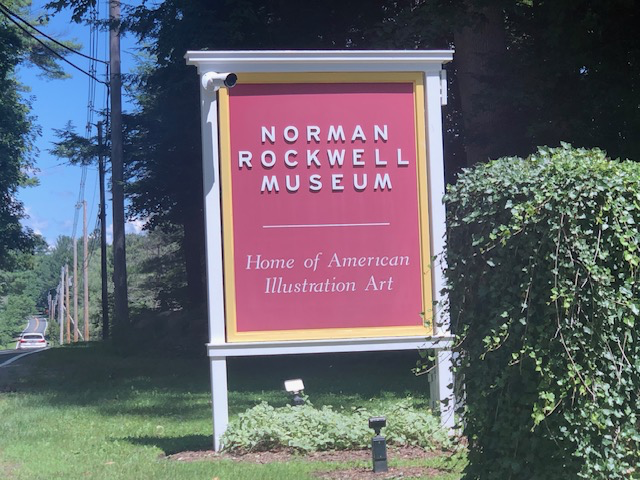
Norman Rockwell Museum
I love returning to the Norman Rockwell Museum in Stockbridge. The museum holds the world’s largest collection of Rockwell’s work, along with changing exhibitions that examine American illustration and the artists who used pictures to tell stories. Because the special exhibitions change, each visit offers something different, even when the familiar paintings remain the reason […]
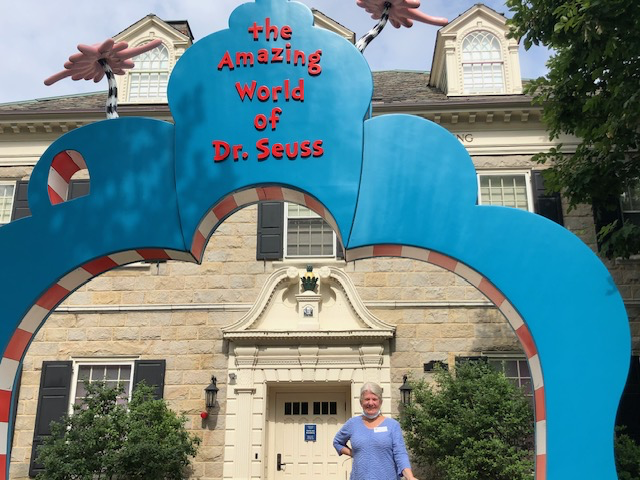
The Amazing World of Dr. Seuss Museum
When The Amazing World of Dr. Seuss Museum opened in 2017, I traveled to Springfield to see it for myself. I may have been the only adult visiting without a child that day, but I was just as interested in discovering the person and history behind the familiar stories. I have since returned with Marty, […]

