Arc de Triomphe
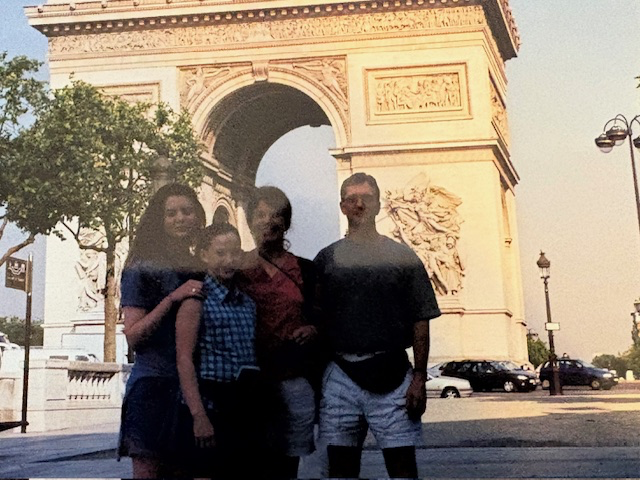
Few landmarks instantly signal a visit to Paris quite like the Arc de Triomphe. It appears again and again in family photographs, historic parade scenes and images of victory marches. Standing at the western end of the Champs-Elysees, the great arch stands where French history unfolded.
The story of the Arc begins in 1806, when Napoleon Bonaparte ordered its construction after his triumph at Austerlitz. Inspired by the triumphal arches of ancient Rome, he envisioned a colossal tribute to the French armies. Napoleon, himself, would never see the structure finished. It was completed in 1836 under King Louis-Philippe and would come to represent not one ruler, but the nation itself.
As we walk around the base of the monument, its purpose is marked in the stone. There we see the names of hundreds of generals and battles carved into its pillars along with relief sculptures of famous figures.
In the twentieth century, the Arc took on a more solemn role. In 1921, the Tomb of the Unknown Soldier of World War I was placed beneath its vault, and an eternal flame was lit in remembrance of those who died without being identified.
The Arc itself is not hollow, it contains a museum within its massive walls. Inside there are exhibits that trace the history of its construction. Climbing just a bit higher, on the rooftop terrace, is a view of the twelve avenues that radiate from the monument like spokes on a wheel.
The Arc de Triomphe has framed triumphal parades after world wars, welcoming visiting heads of states and hosting national events. Standing beneath this arch, is standing with French history.
Read More From Nancy
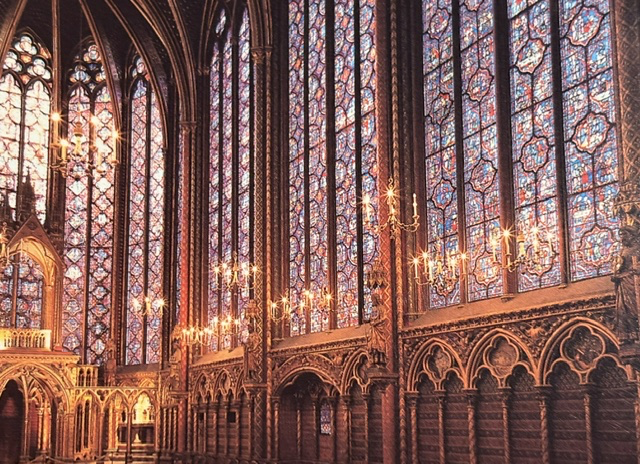
Sainte-Chapelle: Walls of Light
The upper chapel, reserved for the royal family and court, represents one of the greatest achievements of Gothic architecture. Advances in engineering allowed the walls to be reduced to slender stone supports, making room for fifteen magnificent stained-glass windows that rise nearly fifty feet. Together they contain more than a thousand biblical scenes, telling the […]
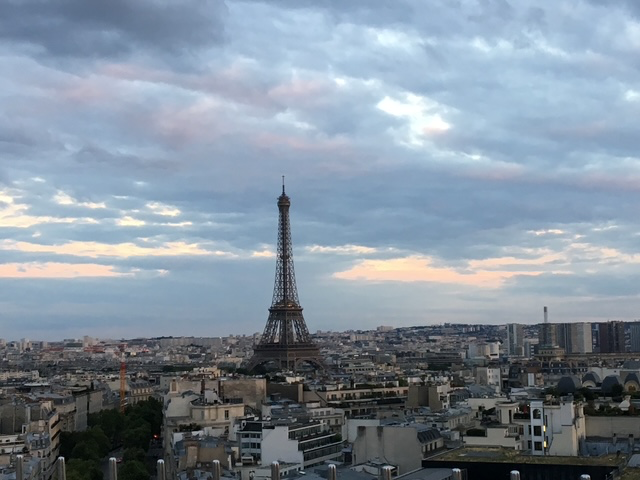
Eiffel Tower
There are certain landmarks across the world that have become instantly recognizable. Once you see them, you know exactly what they are and often where they stand. That is certainly true for the Eiffel Tower. The first time we visited Paris, of course we did what first-time visitors do: we took the ride up the […]
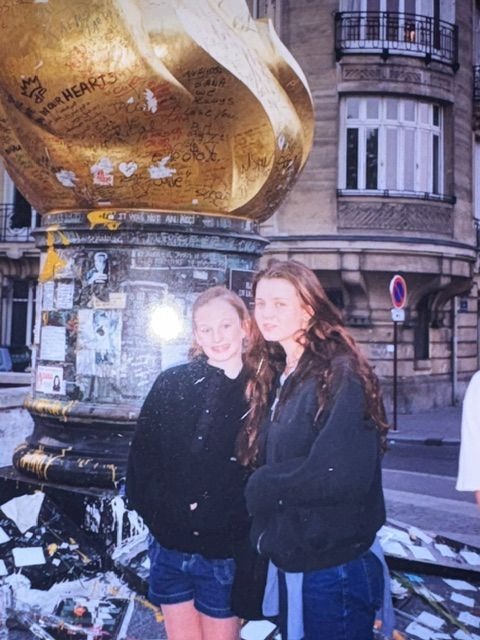
Flame of Liberty
Near the Pont de l’Alma in Paris, a golden flame rises above a dark pedestal. Its form reproduces, at full size, the flame carried by the Statue of Liberty in New York Harbor. Installed in 1989, the Flame of Liberty was intended to celebrate friendship between France and the United States. Within a decade, it […]

