Lincoln’s Tomb
Inside Lincoln’s Tomb at Oak Ridge Cemetery, a red granite cenotaph bears the inscription “Abraham Lincoln, 1809–1865.” This monument marks his gravesite, but his coffin rests ten feet beneath the burial chamber’s marble floor. That separation reflects an extraordinary history of attempted theft and the determination to protect his remains.
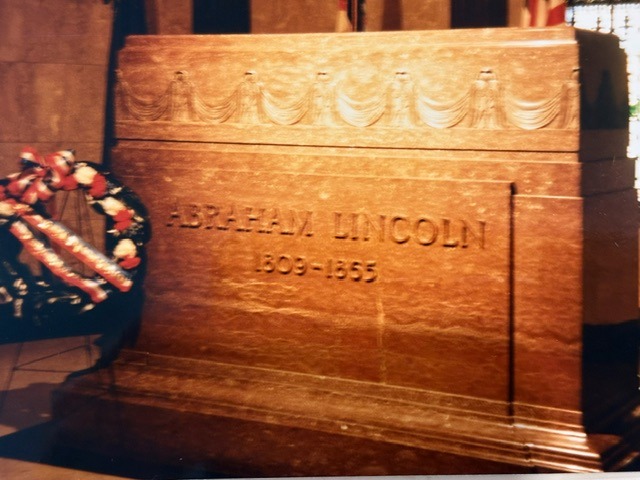
On November 7, 1876, a group connected with a counterfeiting operation attempted to steal Lincoln’s body. Their plan was to hold it for ransom and secure the release of an imprisoned counterfeiter whose engraving skills were important to their business.
The conspirators did not know that an informer had revealed their plans to the Secret Service. Agents were waiting at the cemetery when the attempt took place. The thieves failed to remove Lincoln’s remains, but the incident exposed how vulnerable the burial chamber could be.
Concern continued long after the immediate threat had passed. During the tomb’s reconstruction around the turn of the twentieth century, Lincoln’s surviving son, Robert Todd Lincoln, pressed for a more secure burial arrangement. Correspondence with Illinois Governor Richard Yates documents his interest in enclosing the coffin within reinforced concrete.
In September 1901, Lincoln’s remains were placed beneath the burial chamber in a protective enclosure of steel and concrete. The visible cenotaph provides a place for public remembrance above the secured grave.
The tomb is also a family burial place. Mary Todd Lincoln and their sons Edward, William, and Thomas rest in nearby crypts, bringing the family’s private losses into the national memorial.
The chamber’s quiet appearance gives little indication of the events behind its construction. Beneath the inscribed stone lies the result of decades of concern over how to provide Abraham Lincoln with a secure and lasting resting place.
Read More From Nancy
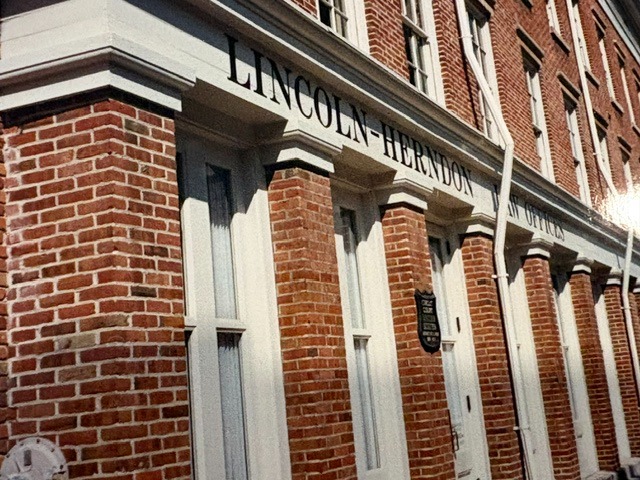
Lincoln-Herndon Law Offices
Across from Springfield’s Old State Capitol, the Lincoln-Herndon Law Offices preserve a setting where Abraham Lincoln earned his living before becoming president. The surviving portion of the Tinsley Building is the only remaining building in which he maintained a law office. Lincoln began working here in 1843 with Stephen T. Logan, an experienced attorney whose […]
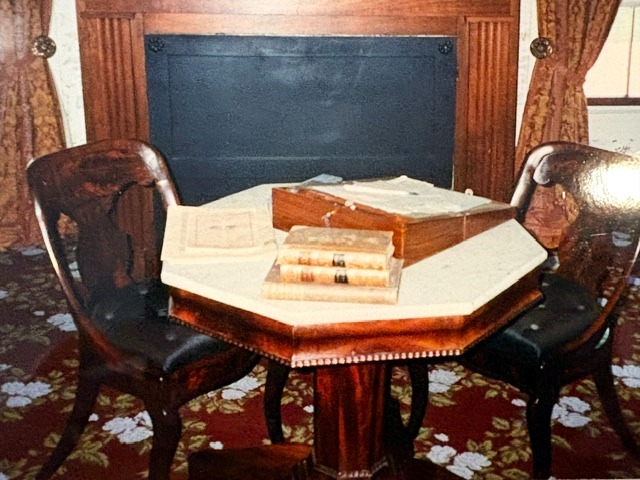
A Writing Table in the Lincoln Home
In the furnished interior of Abraham and Mary Lincoln’s Springfield home, a marble-topped octagonal table holds books, papers, and a portable wooden writing desk. Chairs drawn beside it suggest the overlapping uses of a household table: a place to read, write, converse, or attend to correspondence. The portable desk is an especially revealing detail. Such […]

