The 1917 Milburn Light Electric
The 1917 Milburn Light Electric at Heritage Museums & Gardens preserves a chapter of motoring that can seem surprisingly familiar. More than a century ago, manufacturers were already addressing questions about battery charging, convenience, and how electric vehicles could fit into daily life.
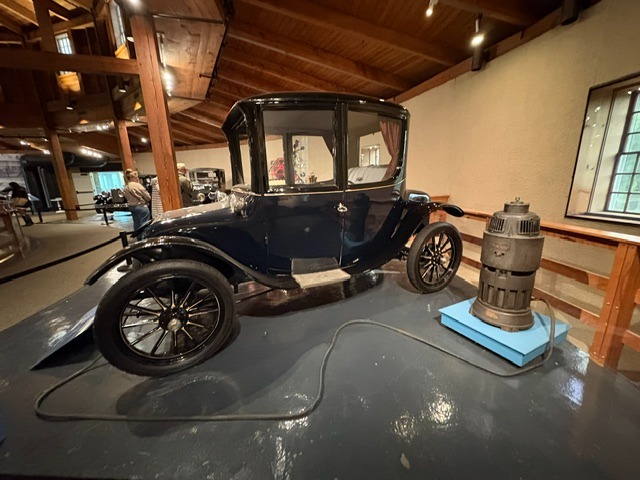
Built by the Milburn Wagon Company of Toledo, Ohio, this automobile has a tall, enclosed passenger compartment, large windows, and the proportions of a carriage. Its appearance connects the established comforts of horse-drawn transportation with a different source of power.
A General Electric motor drew electricity from thirteen six-volt batteries. Beside the car stands its charging equipment, making the practical requirements of electric ownership part of the display.
Milburn also offered batteries mounted on rollers so that a depleted pack could be exchanged for a charged one. This reduced the waiting time associated with recharging and made the car more useful.
Advertising frequently presented electric cars as vehicles for women, reflecting manufacturers’ assumptions about their customers. Milburn’s buyers also included the United States Secret Service, which used the quiet automobiles during Woodrow Wilson’s presidency.
The surviving car brings together technological experimentation and the social expectations surrounding early motoring. Its battery system and accompanying charger show that electric transportation, and efforts to make it convenient, have a history reaching back well before today’s vehicles.
Read More From Nancy
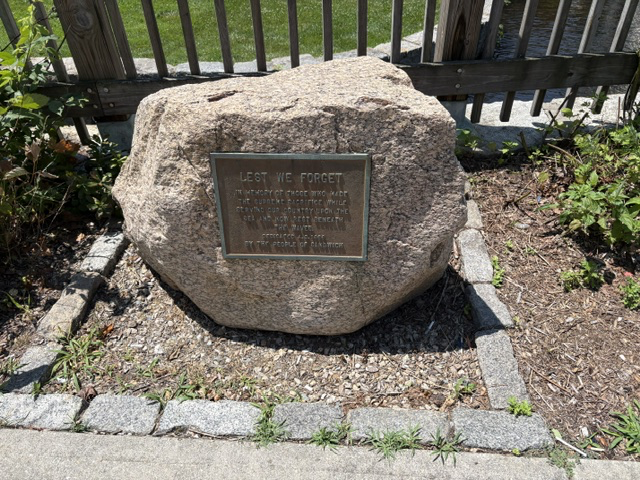
Lest We Forget
Set into a simple boulder, this plaque in Sandwich commemorates those who made the supreme sacrifice while serving their country at sea and who now rest beneath the waves. Dedicated in 1968 by the people of Sandwich, it remembers men and women whose lives were lost far from home and whose remains were never returned […]
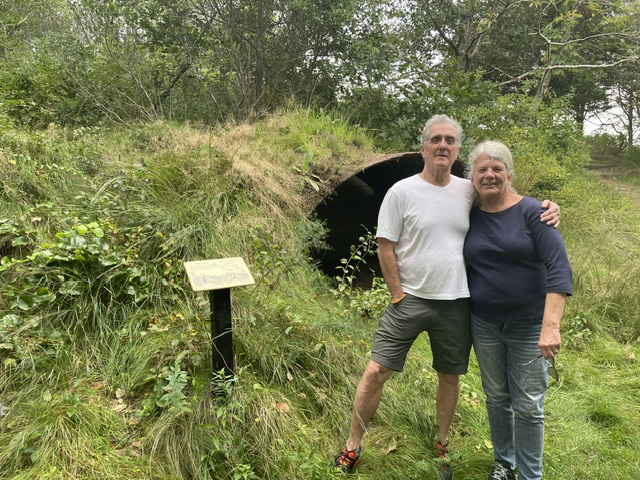
The Ready Rooms
During a hike through the Sagamore Hill area of Sandwich, we came upon this earth-covered entrance hidden among the grass and trees. What appears at first to be a small bunker is one of the Ready Rooms belonging to the former Sagamore Hill Military Reservation, a World War II coastal-defense installation overlooking Cape Cod Bay […]
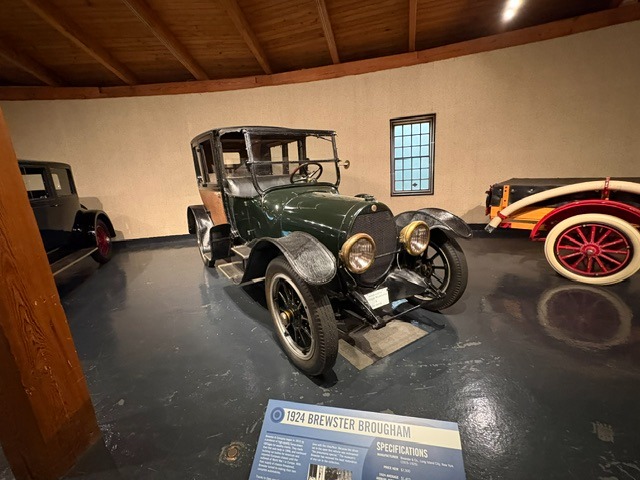
The 1924 Brewster Brougham
The 1924 Brewster Brougham at Heritage Museums & Gardens carries the traditions of luxury carriage making into the automobile age. Its upright passenger compartment, decorative bodywork, and separate chauffeur’s position reveal how established ideas about comfort and status influenced early motoring. Brewster & Company began making fine horse-drawn carriages in 1810 and produced its first […]

