The Cutler and Harris Building
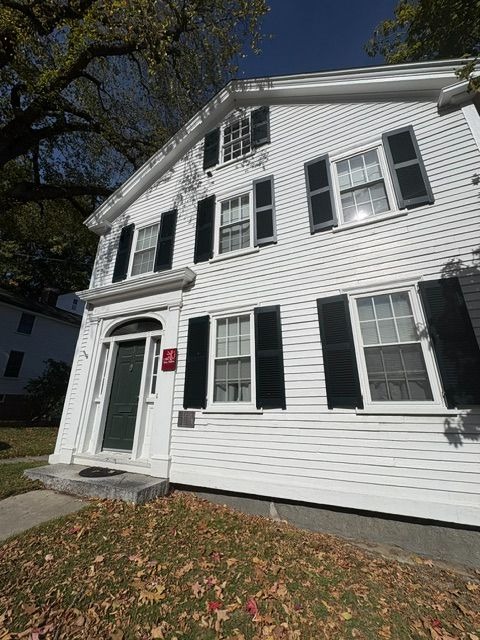
At 127 Water Street, a plaque identifies a building associated with generations of Black business ownership in Exeter. Its history connects the Cutler and Harris families with the shops, restaurants and services that sustained downtown commerce during the nineteenth century.
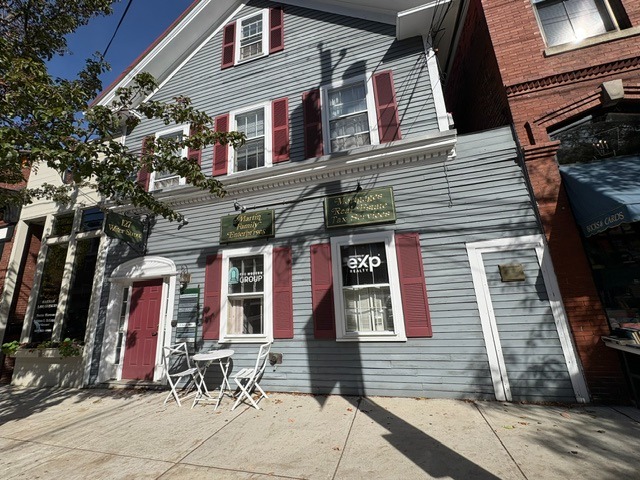
Rufus Cutler, the son of Revolutionary War veteran Tobias Cutler, established businesses on Water Street with his family. Rufus, his wife Anna Cilley Cutler and their son John were associated with enterprises that included dry goods stores, restaurants and a billiard hall. Their work placed Black proprietors within the everyday commercial life of Exeter.
The family’s business connections extended further. John’s sister Harriet married George Harris, a businessman from Philadelphia, and together they operated a grocery store. Another brother, Nathaniel Cutler, worked as a barber. These related enterprises reveal a network of family members earning their livelihoods through independent businesses.
Their entrepreneurship developed amid unequal opportunities. Exeter’s large industries restricted employment for African Americans, making independent work an important alternative. Business ownership offered opportunities to earn income and acquire property, even while discrimination limited participation elsewhere in the local economy.
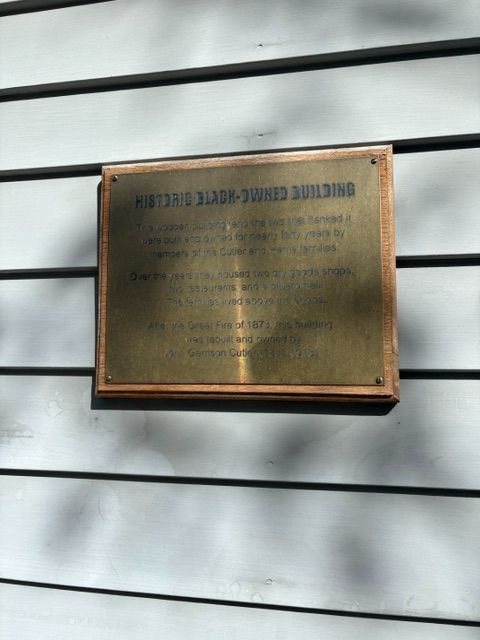
The plaque records that the building was rebuilt after the Great Fire of 1873 and owned by John Garrison Cutler. It also commemorates the earlier structures and Black families associated with this site. The surviving building therefore represents both continuity and rebuilding along a street repeatedly changed by fire.
This address gives a physical setting to a history easily overlooked among Exeter’s better-known landmarks. The Cutler and Harris families were merchants, property owners and service providers whose businesses helped shape the town. Their names connect Water Street’s commercial history with the broader story of Black enterprise in New England.
Read More From Nancy
Exeter Town Hall
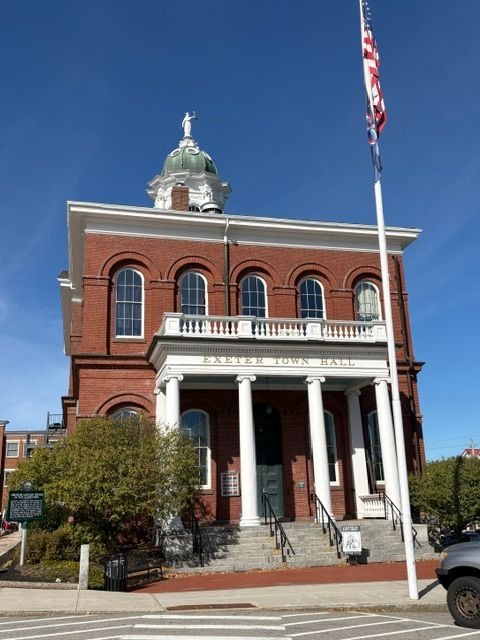
At the corner of Front and Water Streets, Exeter Town Hall has been a center of public life since 1855. Architect Arthur Gilman designed the red-brick building to accommodate town meetings, court proceedings, and community gatherings. Its prominent location and substantial architecture reflected the importance of these responsibilities within a growing New England town. The […]
Exeter’s Black Heritage
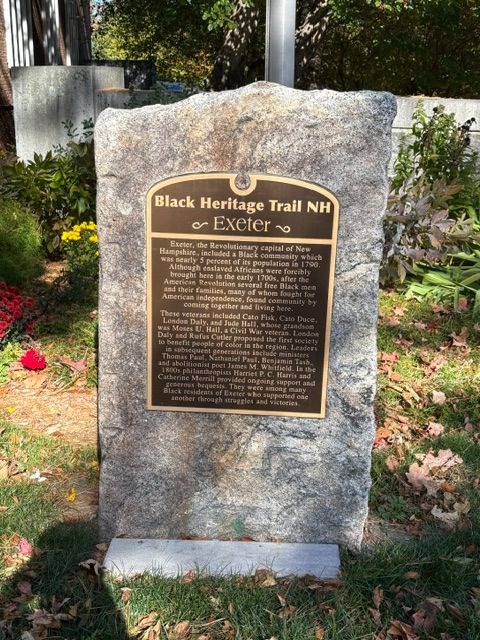
Near the entrance to Swasey Parkway, a bronze marker honors Exeter’s early Black community and the Revolutionary War veterans who helped shape it. In the first federal census of 1790, Black residents constituted nearly five percent of Exeter’s population—the highest proportion recorded in any New Hampshire town. Their history connects military service, family life, commerce, […]
The Ioka Theatre and Mayer Building
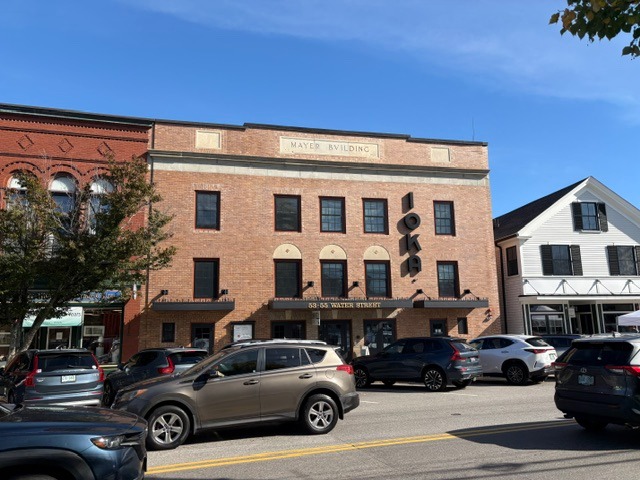
The Mayer Building on Water Street preserves the setting of a new form of entertainment that arrived in Exeter during the early twentieth century. Built in 1915 for the Ioka Theatre, it brought a purpose-built moving-picture venue to the commercial heart of town. The building’s name and surviving IOKA lettering recall that original role. Judge […]

