Life Inside Fort Beauséjour
Keeping a fort ready for battle required a great deal of ordinary work. At Fort Beauséjour, soldiers dug ditches, maintained defences, collected rubbish, and cut and carried firewood. Before a garrison could defend its position, it needed shelter, supplies, warmth, and a daily routine. The surviving walls and foundations offer a way to consider those less dramatic parts of military life.
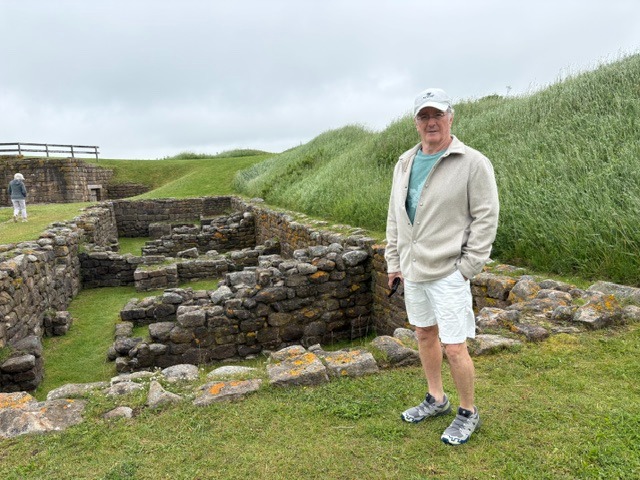
During the French occupation, the regular garrison numbered approximately 150 men, divided into three companies. Their quarters were considered relatively comfortable for the period, but the seasons brought persistent difficulties. Summer meant mosquitoes; winter brought snow and cold. Maintaining a supply of firewood was essential to making the barracks habitable.
Military provisions included food and clothing, along with small necessities such as soap, combs, needles, and razors, issued through the King’s Storehouse. Soldiers and officers received a daily ration of wine or beer. They also visited taverns outside the fort, including one operated by an Acadian named Joseph Caissie. These details connect the garrison to the surrounding community and reveal lives that extended beyond guard duty and military orders.
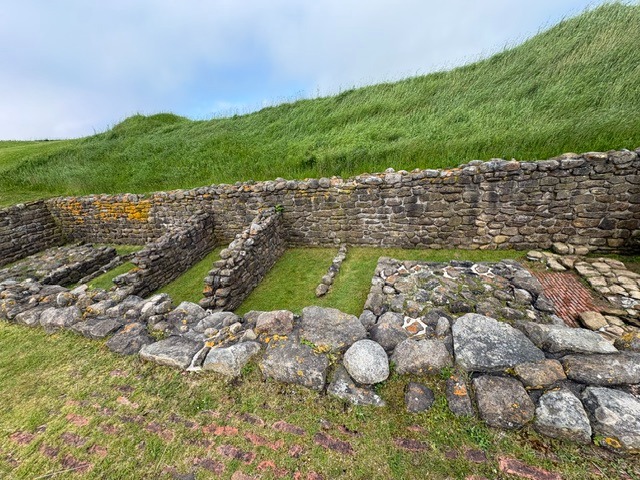
Much of the evidence for the fort’s occupied spaces had to be recovered from the ground. Archaeological excavations began in 1962, followed by systematic work starting in 1966. Researchers uncovered barracks from both the French and British periods, a French powder magazine and casemate, and traces of the wooden palisade erected in 1751. Thousands of artifacts added further evidence of the people who occupied the site.
Fragile remains were reinforced or restored so that visitors could better understand the fort’s layout. The low walls now divide open grass into spaces that once belonged to buildings. They preserve the scale of an inhabited place, even where roofs, doors, and upper walls have disappeared.
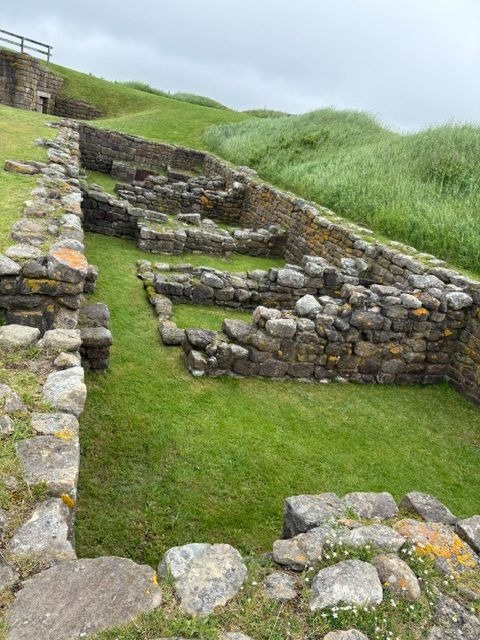
The fort’s battles explain why it mattered to competing empires. Its surviving foundations invite a closer look at the people stationed there: men carrying fuel, repairing earthworks, drawing supplies, and enduring another winter. Together, these ordinary tasks sustained the garrison between the events that entered the history books.
Read More From Nancy
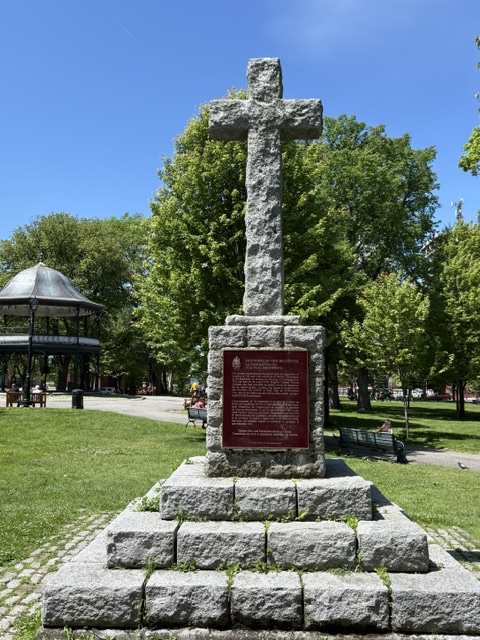
Founding of New Brunswick Monument
A tall granite cross in Saint John’s King’s Square marks the political events that created the Province of New Brunswick. Its story begins with the conclusion of the American Revolution, when thousands of people who had remained loyal to the British Crown left the newly independent United States and traveled north. In 1783, approximately 14,000 […]
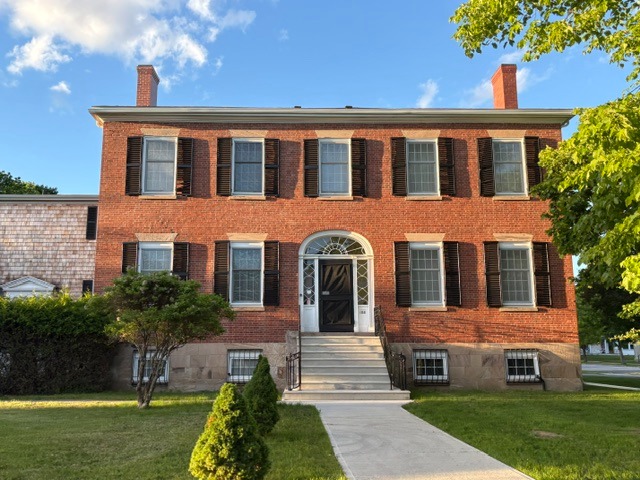
Chestnut Hall and the Ross Memorial Museum
Built in 1824, Chestnut Hall has served as a private residence, a center for regional crafts, and a museum. The red-brick house on Montague Street was constructed for Harris Hatch, an attorney and prominent Charlotte County resident. Its symmetrical windows, dark shutters, and central entrance reflect its classical design. A patterned fanlight and sidelights surround […]
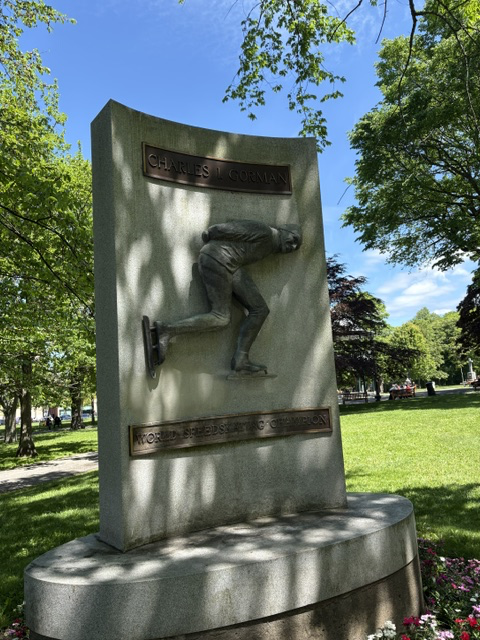
Charles Gorman Memorial
The figure on this monument is not shown standing triumphantly on a podium. Instead, Charles Gorman is captured at the beginning of a race with his body bent forward, one skate braced behind him, and every muscle prepared for the explosive first stride that made him one of the fastest skaters of his generation. Born […]

