The Ship’s Bridge at Battleship Cove
Surrounded by windows, instruments, and communication equipment, the ship’s bridge was a working space where decisions became movement. From here, officers and sailors directed the vessel’s course and speed, watched surrounding waters, and coordinated with personnel elsewhere aboard ship.
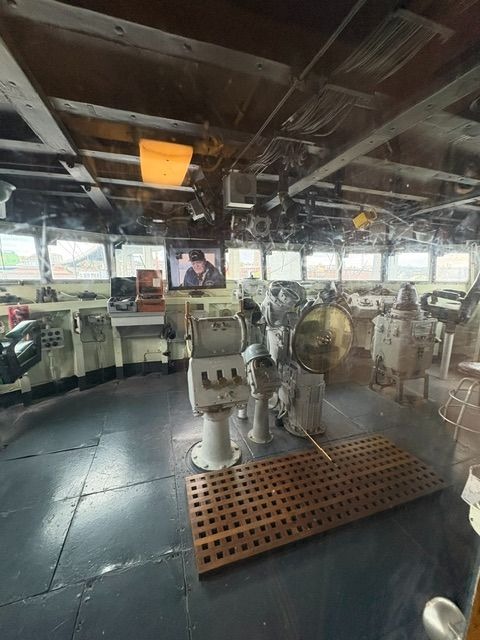
The wheel was one part of that operation. A helmsman carried out steering orders, while another watchstander operated the engine-order telegraph, transmitting instructions to the engineering crew below. Changing direction and changing speed required separate actions, linked by clear communication. The people on the bridge depended on those out of sight to respond correctly.
Naval commands followed precise wording to reduce misunderstanding. Orders were acknowledged, carried out, and reported back, allowing the officer directing the ship to know what was happening. The Navy’s wartime manuals formalized this language, including instructions for steering and reports when a vessel failed to respond as expected.
Safe navigation also required constant attention beyond the instruments. Watchstanders monitored the ship’s position, nearby vessels, and potential hazards. A course that appeared clear could change with traffic, weather, or the movements of other ships. Guiding a warship demanded observation and judgment as well as mechanical control.
Preserved at Battleship Cove, the bridge makes this teamwork visible. Its closely arranged stations show how several people performed different duties within a shared space. The equipment remains still, but its layout recalls a place once filled with orders, acknowledgments, and the continuous work of keeping a ship safely on course.
Read More From Nancy
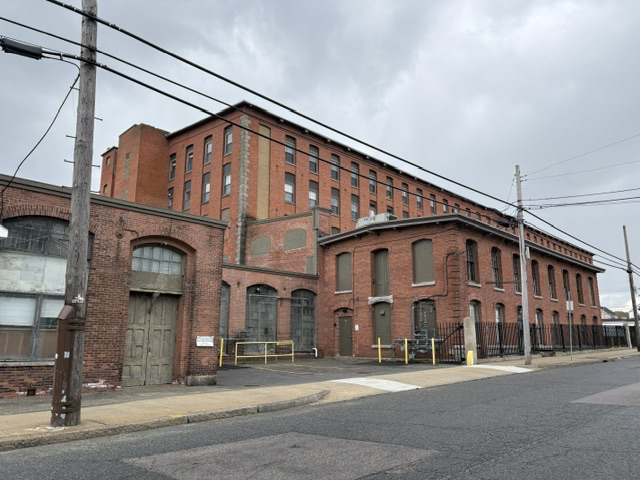
Mechanics Mill
Standing before the massive brick walls of Mechanics Mill, it is easy to admire its architecture. Yet the real story is not found in the building itself but in the thousands of men, women, and children whose lives revolved around it. Completed in 1868, Mechanics Mill was one of the great textile mills that helped […]
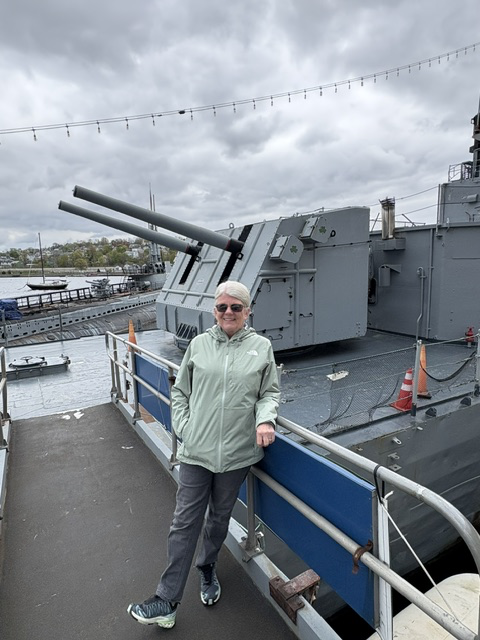
USS Massachusetts
Standing on the deck of the USS Massachusetts, affectionately known as “Big Mamie,” I was struck by the sheer size and power of one of the most decorated battleships of the Second World War. Commissioned in 1942, the South Dakota-class battleship measured 680 feet in length and carried a crew of more than 2,300 officers and […]
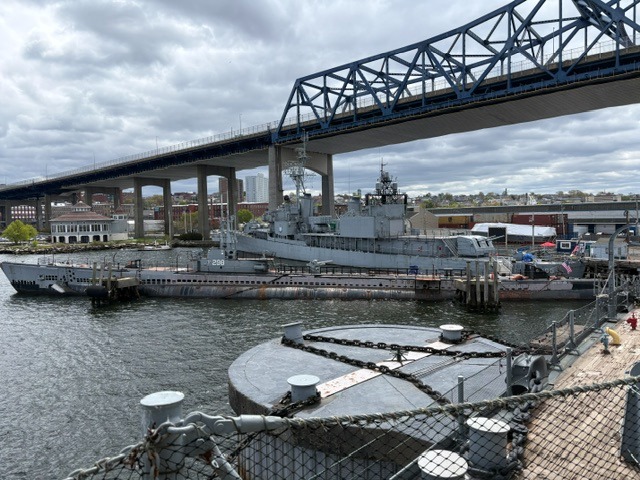
USS Lionfish
Moored at Battleship Cove, USS Lionfish preserves a different experience of naval warfare from the towering surface ships nearby. Its long, low hull belonged to a vessel designed to patrol beneath the water, where concealment, careful observation, and coordination among the crew were essential to survival. Built in Philadelphia, Lionfish was a Balao-class submarine commissioned […]

