The Tower of London
During our family vacation in the United Kingdom, we encountered the Tower of London, a fortress whose history reaches back nearly a thousand years. Seen from the Thames, its stone walls suggest the protection it offered those within, and the difficulty of leaving for those held there as prisoners.
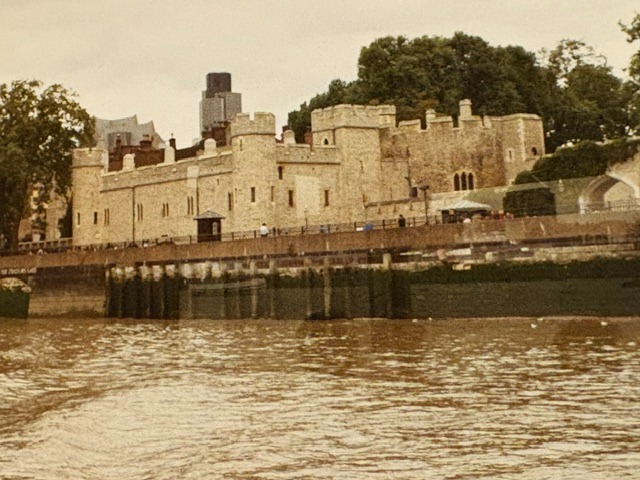
William the Conqueror began building the great stone keep known as the White Tower in the 1070s. Following the Norman Conquest, he needed to secure his authority over London. The fortress served a military purpose, but its size also delivered a clear message: a new ruler controlled the city. Successive monarchs expanded the complex, surrounding it with additional towers and defensive walls.
For centuries, the Tower was also a royal residence. Kings and queens occupied comfortable apartments within its defenses, received guests, and prepared for ceremonial occasions. The riverside royal apartments stood above the water entrance now known as Traitors’ Gate. Its position beside the Thames connected the fortress to the river that carried people and goods through London.
Few stories reveal the Tower’s changing meaning more clearly than that of Anne Boleyn. In 1533, she arrived by river to prepare for her coronation as Henry VIII’s queen. Three years later, she returned under arrest. On May 19, 1536, she was executed within the fortress and buried in the Chapel of St Peter ad Vincula. The same place that had welcomed her before her coronation became the setting for her final days.
The Tower’s reputation as a prison can overshadow its other responsibilities. It housed the Royal Mint, stored weapons and armor, and sheltered a royal menagerie that included lions, an elephant, and even a polar bear. It also became the guardian of the Crown Jewels, linking its long history of royal protection to the ceremonies of the monarchy.
Including places like this in our family travels gave us opportunities to connect familiar historical names with the settings of their lives. At the Tower of London, those stories reveal how closely royal privilege, political ambition, and personal vulnerability could exist within the same walls.
Read More
Read More From Nancy
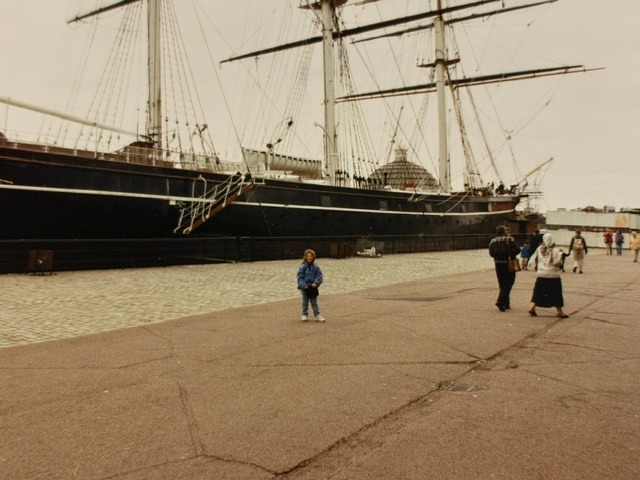
Cutty Sark
During our family vacation in the United Kingdom, we visited Cutty Sark in Greenwich. Its tall masts and intricate rigging offered a connection to a time when moving goods across the world depended on the wind, the design of a ship, and the skill of its crew. Launched in Dumbarton, Scotland, in 1869, Cutty Sark […]
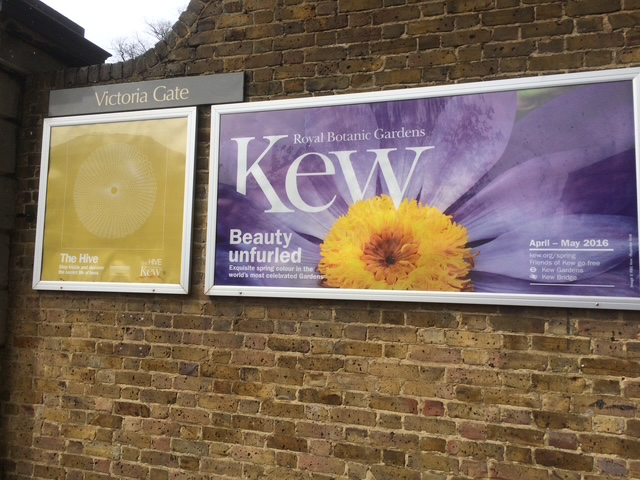
Kew Gardens
On a free afternoon from teaching, Marty and I took the train out to Kew Gardens. It was restorative to step away from the city and let a train carry us toward this green space. The gardens felt expansive and peaceful, with wide lawns and winding paths. Kew began as a royal garden in the […]
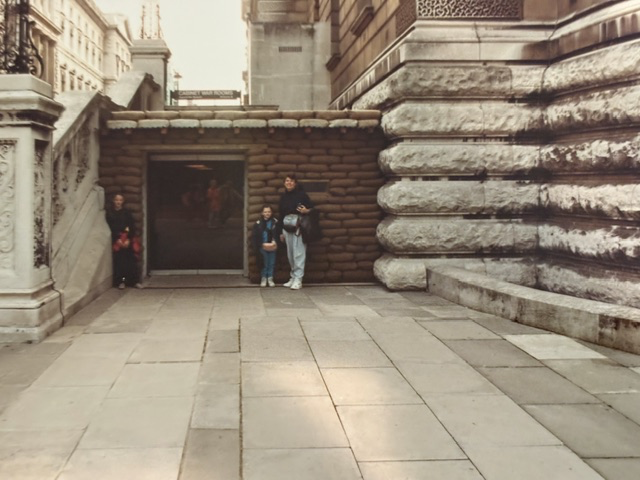
Original Entrance to the Churchill War Rooms
I have visited the Churchill War Rooms more than once, but this photograph holds a special place in my memories because it was our first visit with our daughters. Before we descended into one of the most remarkable museums in the world, we paused at this sandbag-covered entrance, an image that immediately transported us back […]

