Ames Shovels
Displayed together in the Easton Historical Society Museum, the Ames shovels reveal how much variety can exist within an everyday tool. Some have broad, rounded blades, while others are narrower or nearly rectangular. Long wooden shafts and shorter handles with enclosed grips reflect different ways of lifting, digging, and moving materials. Their shapes invite a closer look at objects often taken for granted.
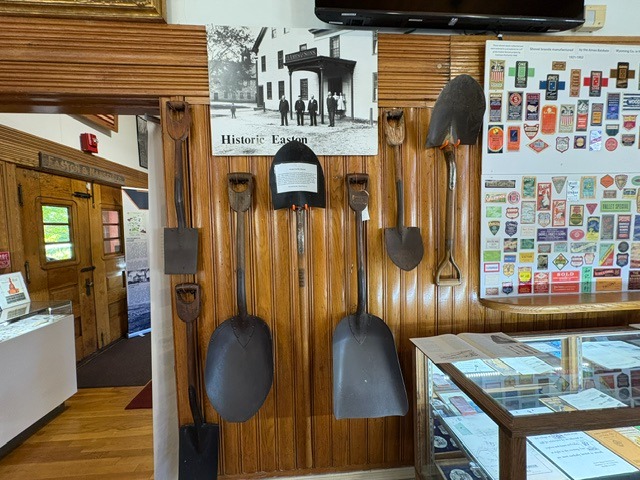
The collection connects directly to an industry that helped shape North Easton. Oliver Ames established his shovel business here in 1803, drawing on the waterpower of the Queset River. What began as a local manufacturing enterprise grew into a company whose products traveled far beyond Massachusetts.
Different work called for different designs. A pointed blade could penetrate soil, while a broad scoop could carry loose material. Handle length affected reach and leverage, and a grip at the end gave the user another way to control the tool. Seen together, the shovels demonstrate how manufacturers adapted a familiar object to the practical demands of labor.
During the nineteenth century, demand for dependable tools grew alongside agriculture, mining, railroad construction, and expanding settlements. Ames shovels were shipped to the California goldfields and the Australian gold rush. They also supplied the Civil War and the construction of the transcontinental railroad, giving a product made in Easton a place in major national and international events.
Those larger connections began with individual acts of physical work. A shovel had to be lifted, pushed into the ground, emptied, and used again. Its usefulness depended on its strength, balance, and suitability for the task. Behind every tool stood both the workers who manufactured it and the people who relied on it.
The museum’s collection brings that history down to a human scale. Factory buildings convey the size of the enterprise; the shovels reveal what it produced. Preserved on the wall, these ordinary objects connect Easton’s industrial history with the daily effort of digging earth, moving materials, and building the places in which people lived and worked.
Read More From Nancy
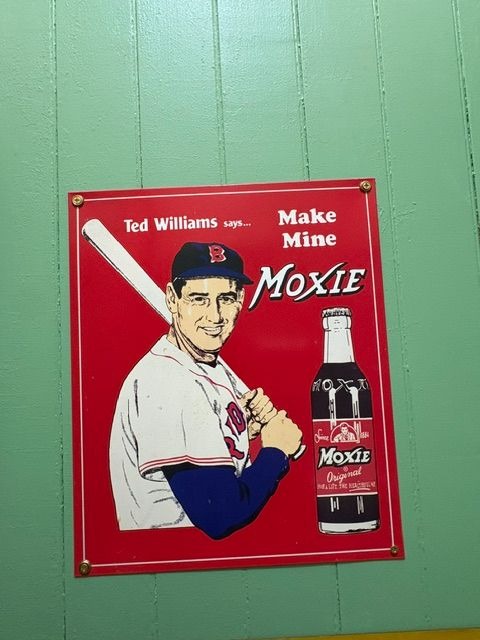
Ted Williams and Moxie
“Make Mine Moxie,” declares the advertisement featuring Boston Red Sox player Ted Williams. With a bat resting on his shoulder and a bottle beside him, Williams lends a familiar sporting face to a distinctly New England beverage. Preserved as a museum display in Easton, the image connects baseball, advertising, and the history of an unusual […]
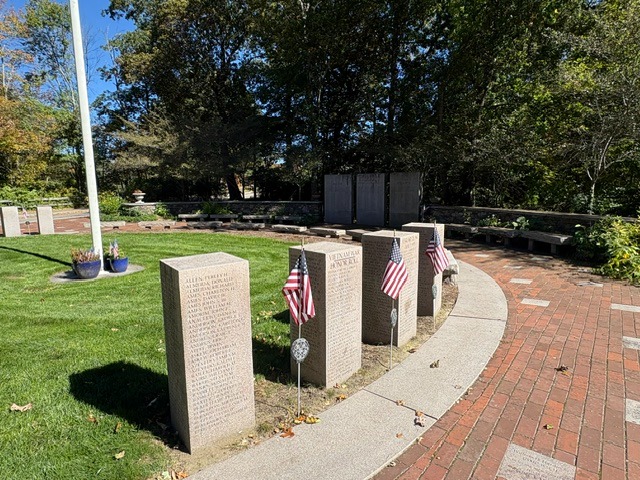
Veterans Memorial Park
Veterans Memorial Park in North Easton brings military remembrance into a quiet public setting. Granite monuments, American flags, brick paths, and benches surround an open lawn, creating a place where visitors can pause and consider the service of people connected to the town. The inscriptions give that remembrance a personal dimension. Rather than referring only […]
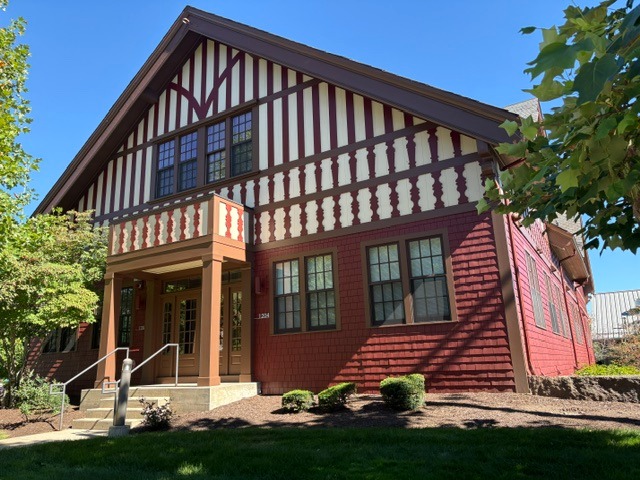
Ames Shovel Works Stables
The red-shingled building at the Ames Shovel Works tells a story of the transportation and administrative work that supported Easton’s best-known industry. Dating to about 1897, it originally included stables for horses used to move raw materials around the factory grounds. Its decorative gables and contrasting trim gave an essential working building a distinctive architectural […]

