Your Baby’s Brain Is Just Beginning

A newborn arrives with an extraordinary capacity to learn and adapt. Although much of the basic structure of the brain is already present at birth, the connections between nerve cells are developing at an incredible rate.
During the first two years, the brain undergoes tremendous growth and organization. Everyday experiences provide information that helps shape the developing nervous system.
Your touch, your voice, the way you hold your baby, and the opportunities you provide for movement and exploration all become part of that process. When our children were babies, understanding this gave new meaning to the ordinary moments we shared. Supporting their development was both a responsibility and a privilege.
As parents and chiropractors, we were interested in how our children experienced the world through their senses. Feeling the floor beneath them, turning toward a familiar voice, or reaching for a toy brought together sensation and movement. These simple activities gave them opportunities to practice, learn, and gradually develop greater coordination.
This is why we place so much importance on the early years. The nervous system is not simply waiting for your child to grow older. It is actively developing through maturation and experience. While supporting that process does not require turning every interaction into a lesson, it does take a commitment to being present with your child, responding to your baby, and providing opportunities for movement and exploration.
When your baby begins lifting their head, following your face, reaching for an object, rolling over, sitting, crawling, and eventually walking, each new ability reflects a growing communication between their brain and body.
Even the seemingly simple attempts that come before a new skill matter, too. A hand reaching toward a toy without quite grasping it or a baby shifting their weight in preparation to roll gives us a glimpse of learning in progress. There is value in allowing time for that exploration without rushing toward the next achievement.
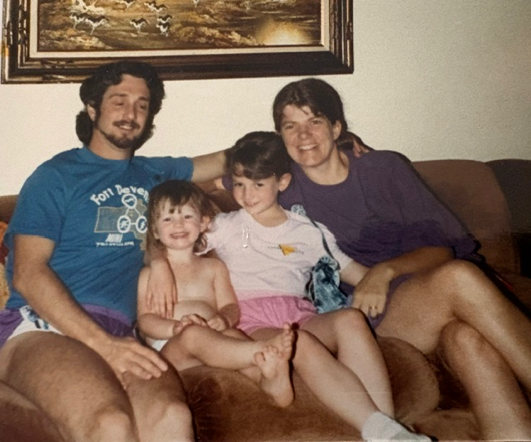
We treasured those moments with our children, and through more than four decades of working with families, we have continued to appreciate what they reveal. They are more than milestones to record in a baby book. They are windows into neurological development, helping us understand how a child is learning to move, respond, and engaging with the world.
We hope, as we share our decades of experience and wisdom it helps you better understand what is happening at life’s touchstones and turning points.

Read More From Nancy
Brain Grows by Repetition
One important principle I have come to understand, and one that sits at the heart of It’s All in the Head, is that the brain develops through use. The brain does not simply grow with time it grows through experience. Each level of brain development is built upon the successful repetition of the level below it. […]

Beyond the Early Milestones
We focus a great deal of attention on the developmental milestones of the first six years of life. We watch for the first smile, first steps, first words and the growing ability to play, communicate and learn. But what do we do to support development as our children grow older? Once the early foundations have […]
Like Every Mother
Like every mother, I watched my children closely. I noticed how they slept.How they nursed.How they rolled.How they cried and laughed and smiled. Sometimes things were “just a phase” and sometimes they were not. That is why our book: It’s All in the Head feels so personal to me. Over years, Marty and I have […]

