New York Central Caboose No.18452
For generations, the caboose was a familiar sight at the end of an American freight train. It served as a mobile office, observation post and temporary living space for the conductor and brakemen responsible for managing the train’s cargo and safe operation.
New York Central Caboose No. 18452 was constructed in the railroad’s shops in 1910. During its years of service, the wooden-sided car traveled more than one million miles at the rear of freight trains operating between New York City and Chicago. Its route carried it through one of the nation’s busiest railroad corridors, connecting major cities, industrial centers and regional freight yards.
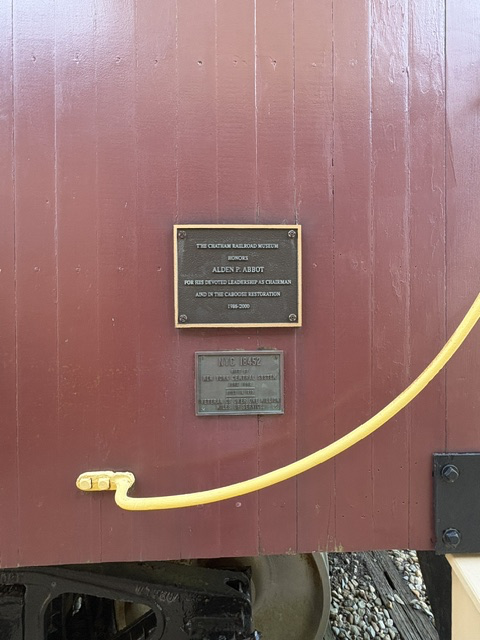
New York Central Caboose No. 18452 was constructed in the railroad’s shops in 1910. During its years of service, the wooden-sided car traveled more than one million miles at the rear of freight trains operating between New York City and Chicago. Its route carried it through one of the nation’s busiest railroad corridors, connecting major cities, industrial centers and regional freight yards.
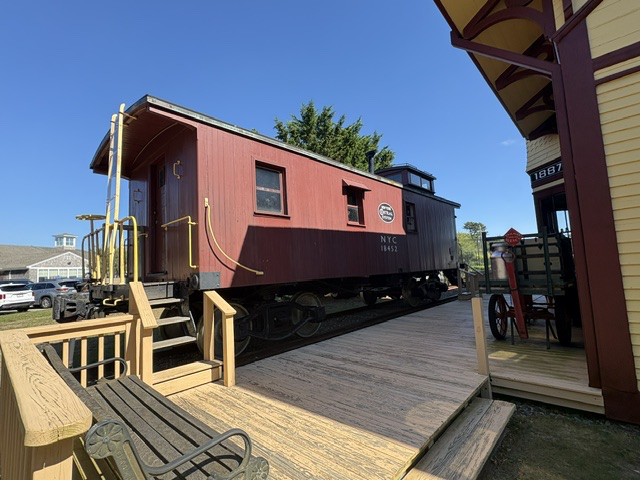
One of the caboose’s most recognizable features was its raised cupola. From this elevated position, crew members could look across the tops of the freight cars and watch for shifting loads, damaged equipment, smoke from overheated wheel bearings and other signs of trouble. Side windows provided additional views of the train and surrounding tracks.
Because freight crews could spend long hours traveling between terminals, cabooses were equipped with practical living accommodations. Depending upon the railroad and period, they might contain bunks, storage lockers, a conductor’s desk, a stove, water containers and basic cooking facilities. The ride could be uncomfortable, especially when the caboose was pushed and pulled by the movement of a long freight train.
Beginning in the late twentieth century, railroads increasingly eliminated cabooses. Improved braking systems, radio communication, computerized monitoring and electronic end-of-train devices allowed smaller crews to perform many of their former functions. By the 1980s, the traditional caboose was disappearing from regular freight service.
Caboose No. 18452 has been restored with its cupola, conductor’s desk and storage lockers intact. Preserved at the Chatham Railroad Museum, it represents both the physical demands of early freight service and the railroad workers whose responsibilities extended from the locomotive to the final car.
Read More From Nancy
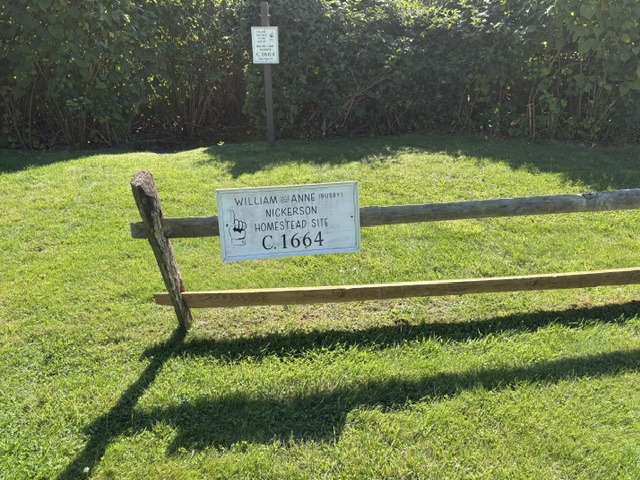
Rediscovering the William and Anne Nickerson Homestead
For centuries, records indicated that William and Anne Busby Nickerson had established their Chatham homestead near Ryder’s Cove around 1664. The general location was known, but the house itself had disappeared. No complete description survived, and little was understood about its size, construction or the daily lives of the people who occupied it. That began […]
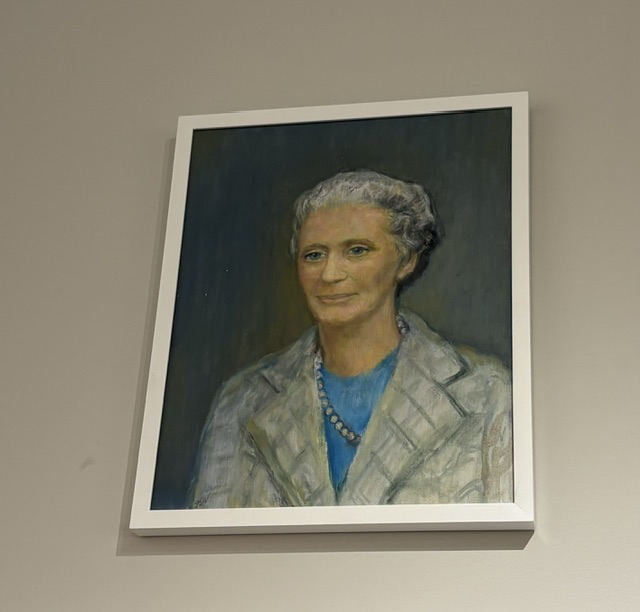
The Life of Alice Stallknecht
Alice Stallknecht was born in New York City in 1880 and developed an interest in becoming a professional artist while still young. From 1898 to 1901, she studied illustration at the New York School of Applied Design for Women, an institution created to provide women with practical artistic training and opportunities for professional employment. She […]
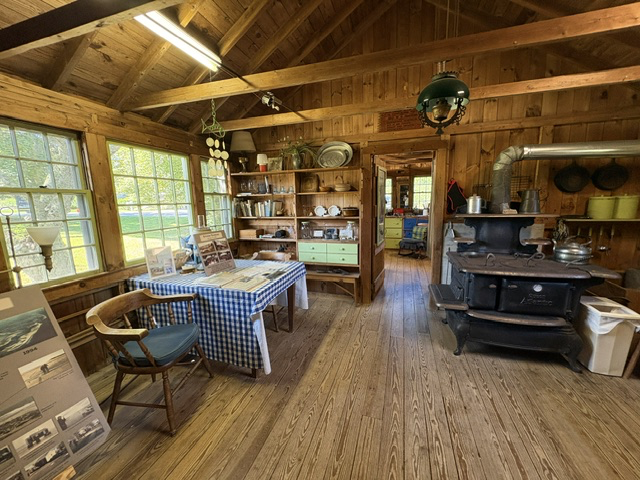
The Nickerson North Beach Camp
For generations, Chatham families looked across the water toward North Beach as a place to escape the routines of everyday life. The long barrier beach once extended southward from Orleans toward Chatham, separating the protected waters of Pleasant Bay and Chatham Harbor from the open Atlantic. Reaching it required a boat, and living there meant […]

