Grote Markt and the Grote Kerk of St. Bavo
The Grote Markt has served as the heart of Haarlem for centuries. Surrounded by historic buildings, shops and gathering places, the square reflects the city’s long history as a center of commerce, civic life and religious activity. Its most commanding landmark is the Grote Kerk, also known as the Church of St. Bavo.
The present church was constructed primarily between the fourteenth and sixteenth centuries on the site of earlier religious buildings. Its soaring Gothic architecture, tall, pointed windows and prominent tower made it the defining feature of Haarlem’s skyline. Originally a Roman Catholic church, it became Protestant during the Reformation in the sixteenth century.
Inside the church is an enormous pipe organ completed in the eighteenth century by Christian Müller. It became one of Europe’s most celebrated organs and was played by several notable musicians, including George Frideric Handel and the young Wolfgang Amadeus Mozart. The church also contains historic burial stones and reminders of the generations who worshipped and participated in civic life within its walls.
Standing in the Grote Markt near the church is a bronze monument to Laurens Janszoon Coster. According to a long-standing Dutch tradition, Coster experimented with movable type in Haarlem before Johannes Gutenberg developed his printing process in Germany. Historians have not found sufficient evidence to confirm that claim, and Gutenberg is generally credited with introducing movable-type printing to Europe. Nevertheless, Coster became an important symbol of Haarlem’s association with printing and the spread of knowledge.
The monument was created by sculptor Louis Royer and unveiled in 1856. Coster holds a piece of movable type in one hand while raising the other, presenting him as a figure whose discovery helped make written information available to a wider public. The statue reflects both Haarlem’s civic pride and the importance communities place on preserving the people and stories connected to their past.
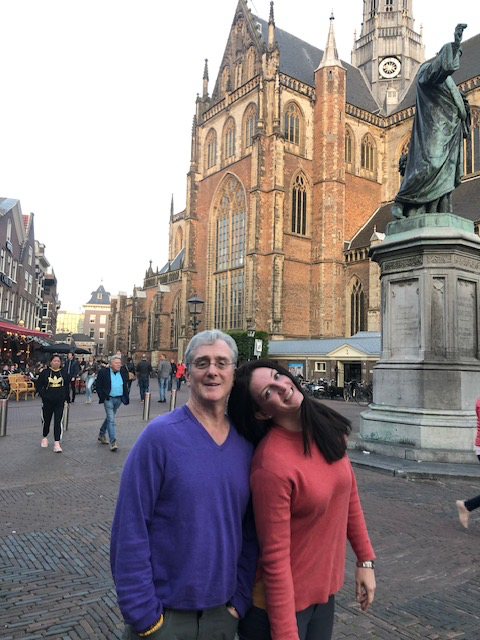
Together, the Grote Markt, the Church of St. Bavo and the Coster monument represent several layers of Haarlem’s history. Religious faith, trade, craftsmanship, music and the exchange of ideas all came together in this central square, making it one of the most historically significant places in the city.
Read More From Nancy
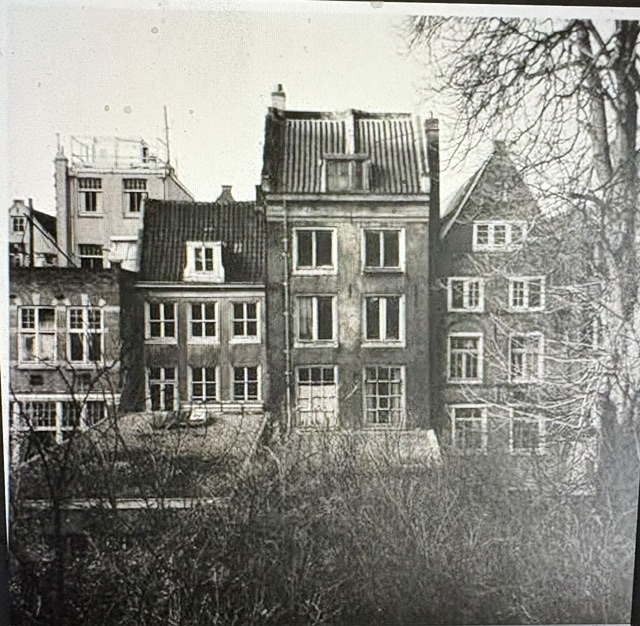
The Anne Frank House
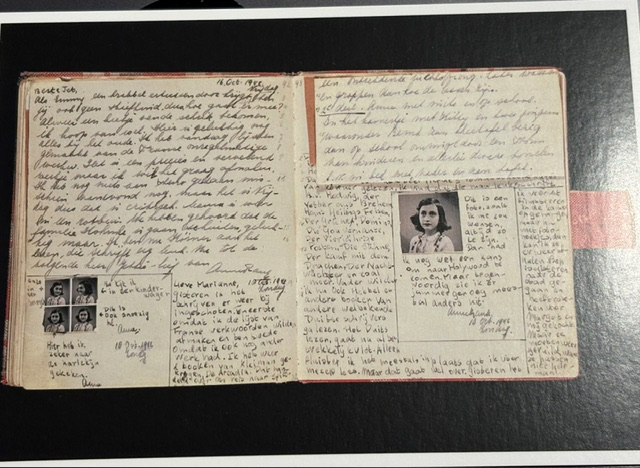
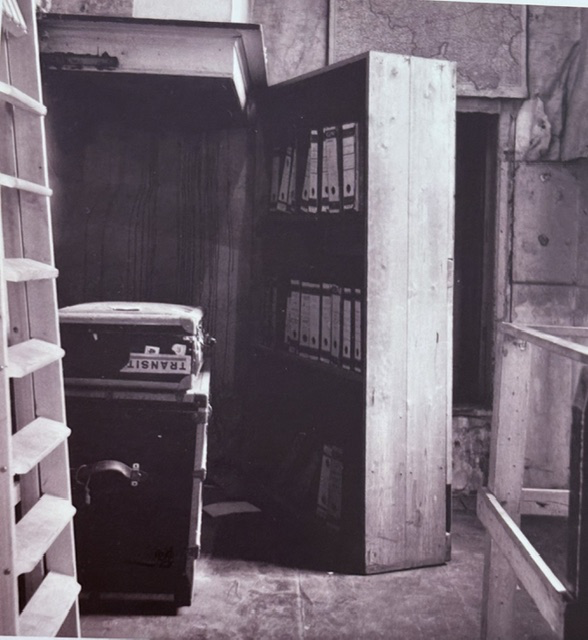
During our time in Amsterdam, one of the places I wanted to understand was the Anne Frank House. This historic photograph caught my attention because it shows the back of the house in 1954, only nine years after the end of World War II and before the building had been preserved as a museum. Anne […]
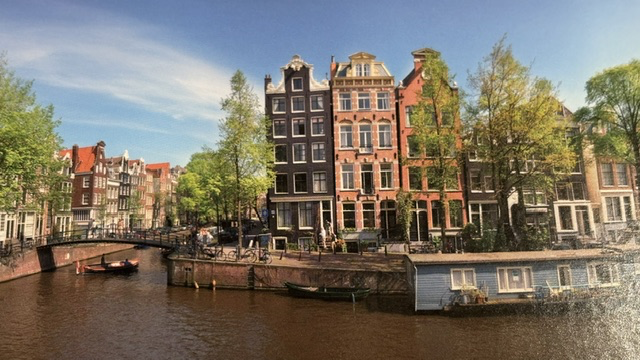
Canal Ring
One of the highlights of our visit to Amsterdam was taking a boat tour through the city’s historic canals. Viewing Amsterdam from the water offered a completely different perspective. As we glided beneath centuries-old bridges and past rows of elegant canal houses, it became easy to understand why the city’s waterways are considered one of […]

