Anne Frank and the Secret Annex
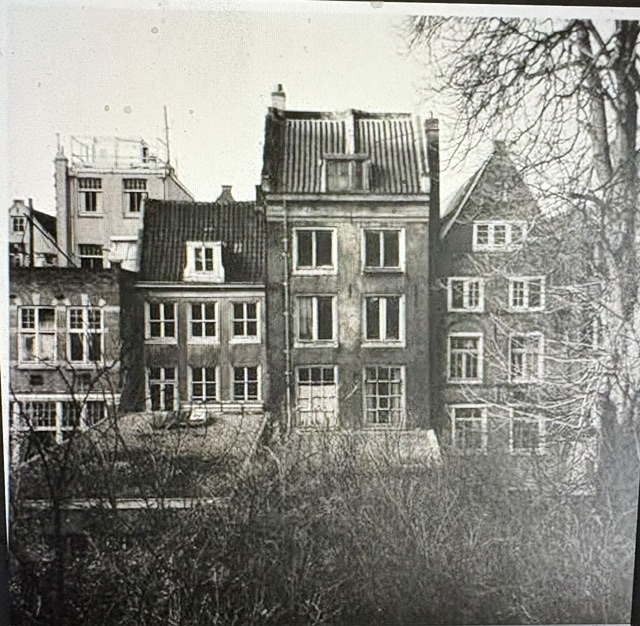
In the summer of 1942, an ordinary doorway inside an Amsterdam business concealed an extraordinary secret. Behind it were rooms in the rear annex of the building at 263 Prinsengracht, where Otto and Edith Frank and their daughters, Margot and Anne, went into hiding from the Nazi persecution of the Jewish people.
The entrance initially had only a plain door. Fearing that it might attract attention, the helpers arranged for a movable bookcase to be built in front of it. Installed in August 1942, the bookcase held business files and other materials, allowing it to blend into the surrounding storeroom. To anyone unaware of its purpose, it appeared to be an ordinary part of the office.
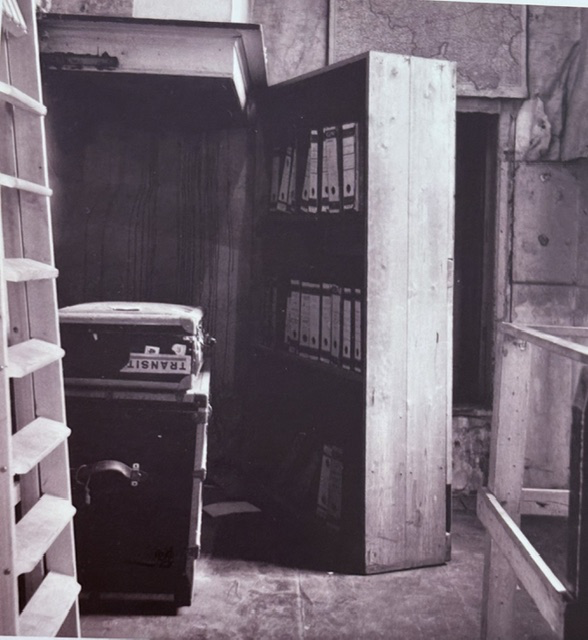
Behind the bookcase, the Frank family was joined by Hermann, Auguste and Peter van Pels, and later by Fritz Pfeffer. Eight people lived within the confined rooms of the Secret Annex for more than two years. During the day, they had to remain quiet to avoid being heard by the workers below. Their survival depended upon a small group of helpers who brought food, supplies, books and news from the outside world.
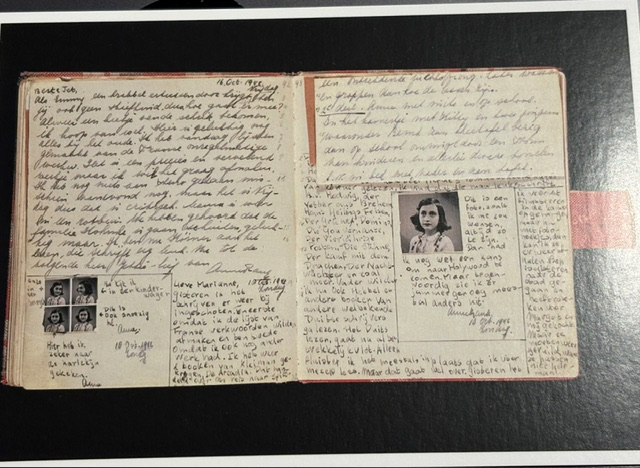
Anne recorded these years in her diary, writing about the restrictions of life in hiding, the relationships among the occupants and her own thoughts as she grew into adolescence. On August 4, 1944, the hiding place was discovered and its occupants were arrested. Anne and Margot later died at the Bergen-Belsen concentration camp. Otto Frank was the only one of the eight to survive the Holocaust.
After the arrest, helpers Miep Gies and Bep Voskuijl recovered Anne’s scattered writings. Otto later arranged for the diary to be published, preserving the voice of the daughter he had lost. The original movable bookcase remains inside the Anne Frank House, where it stands as both a physical doorway and a reminder of the dangerous boundary that once separated concealment from discovery.
Read More From Nancy
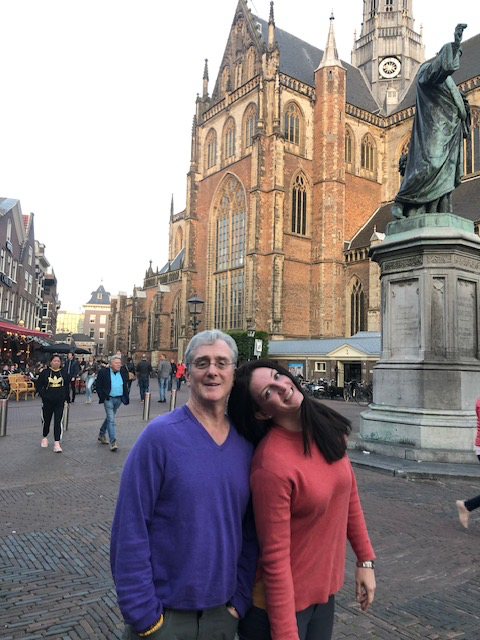
Grote Markt and the Grote Kerk of St. Bavo
The Grote Markt has served as the heart of Haarlem for centuries. Surrounded by historic buildings, shops and gathering places, the square reflects the city’s long history as a center of commerce, civic life and religious activity. Its most commanding landmark is the Grote Kerk, also known as the Church of St. Bavo. The present […]
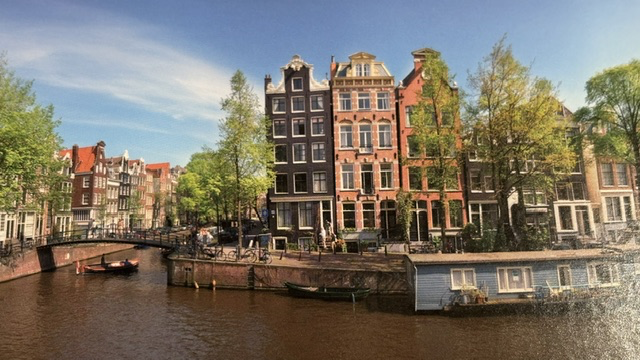
Canal Ring
One of the highlights of our visit to Amsterdam was taking a boat tour through the city’s historic canals. Viewing Amsterdam from the water offered a completely different perspective. As we glided beneath centuries-old bridges and past rows of elegant canal houses, it became easy to understand why the city’s waterways are considered one of […]

