Gates of the Arctic National Park and Preserve
While visiting Fairbanks, I received the National Park Passport stamp for Gates of the Arctic National Park and Preserve at the Alaska Public Lands Information Center. I did not travel into the park itself, but the exhibits, photographs and information in Fairbanks introduced me to a place so remote that learning about it became an important part of understanding Alaska.
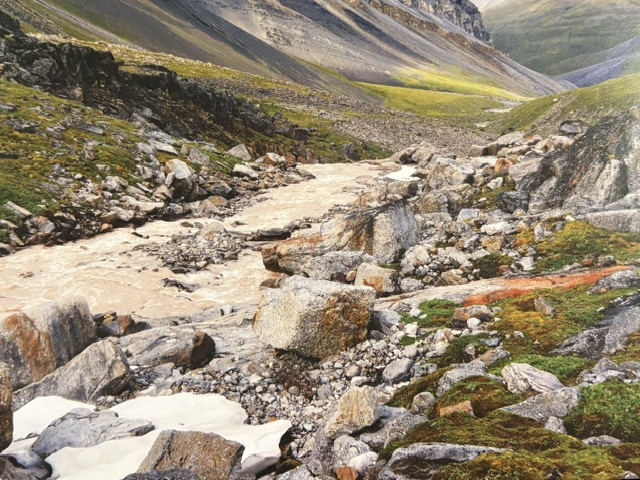
Located entirely north of the Arctic Circle in the central Brooks Range, Gates of the Arctic protects more than 8.4 million acres. Its landscape includes glaciated valleys, rugged mountain ranges, wild rivers, boreal forest and Arctic tundra. There are no roads, established trails or permanent visitor facilities within the park. Most visitors arrive by small aircraft or hike into the wilderness from the Dalton Highway or one of the remote gateway communities.
The park’s name came from wilderness advocate Robert Marshall, who began exploring the Brooks Range in 1929. As he traveled along the North Fork of the Koyukuk River, he saw two mountains—Frigid Crags and Boreal Mountain—standing on opposite sides of the valley. To Marshall, they appeared to form a gateway into the far northern Arctic. His writings about the Brooks Range later helped inspire efforts to preserve this enormous wilderness.
President Jimmy Carter first protected the area on December 1, 1978, when he used the Antiquities Act to establish Gates of the Arctic National Monument. Carter acted after legislation protecting millions of acres in Alaska had stalled in Congress. Two years later, on December 2, 1980, he signed the Alaska National Interest Lands Conservation Act. That legislation redesignated the monument as Gates of the Arctic National Park and Preserve while protecting millions of additional acres throughout Alaska.
The park was established to maintain the wild and undeveloped character of the Brooks Range, protect its rivers and wildlife and preserve opportunities for solitude and wilderness travel. It also protects lands that have supported Alaska Native communities for thousands of years and permits the continuation of traditional subsistence practices by residents.
I did not stand within the boundaries of Gates of the Arctic, but my time in Fairbanks allowed me to understand why this distant landscape was protected. Receiving its passport stamp became a record not of entering the wilderness, but of learning about one of the most remote and least altered places preserved within the National Park System.
After the arrest, helpers Miep Gies and Bep Voskuijl recovered Anne’s scattered writings. Otto later arranged for the diary to be published, preserving the voice of the daughter he had lost. The original movable bookcase remains inside the Anne Frank House, where it stands as both a physical doorway and a reminder of the dangerous boundary that once separated concealment from discovery.
Read More From Nancy
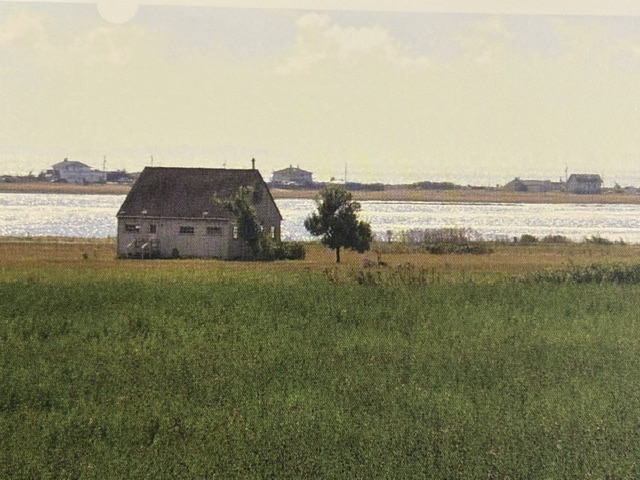
Ebey’s Landing National Historical Reserve
Ebey’s Landing National Historical Reserve on Whidbey Island preserves a landscape where the history of the Pacific Northwest can still be seen in the land itself. Open fields stretch toward Puget Sound, historic farm buildings remain part of the countryside, and forests and shoreline surround communities whose stories reach back generations. In 1792, Captain George […]
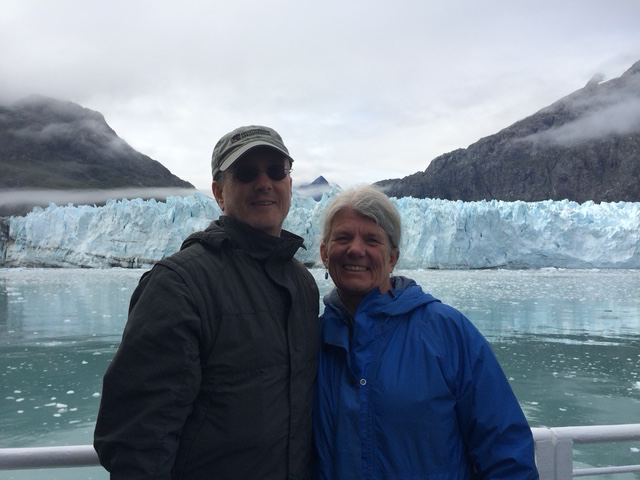
Glacier Bay National Park
Alaska is just a massive state, and it was on our second visit that we set our sights on traveling into Glacier Bay National Park. Stories of John Muir traversing the same area inspired us to want to journey where he also traveled, into the waters and fjords he once explored by canoe. It […]
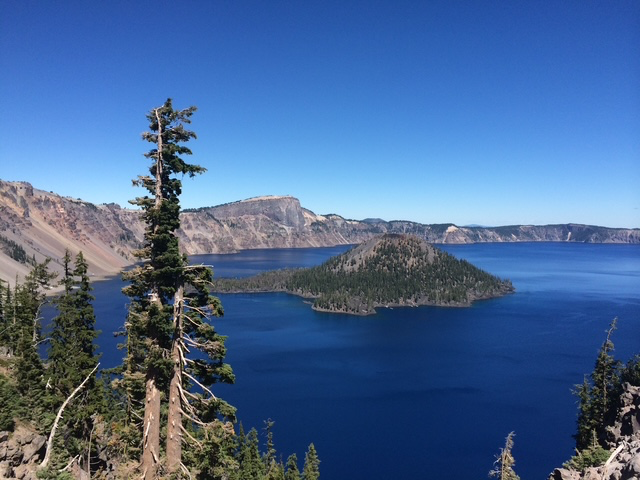
Crater Lake National Park
I visited Crater Lake National Park on one of my solo excursions. It was one of those places I wished I had shared with someone else. The color of the lake matched the bluest of skies as I walked along the rim, a blue so intense it almost felt unreal. There are no rivers flowing […]

