Ebey’s Landing National Historical Reserve
Ebey’s Landing National Historical Reserve on Whidbey Island preserves a landscape where the history of the Pacific Northwest can still be seen in the land itself. Open fields stretch toward Puget Sound, historic farm buildings remain part of the countryside, and forests and shoreline surround communities whose stories reach back generations.
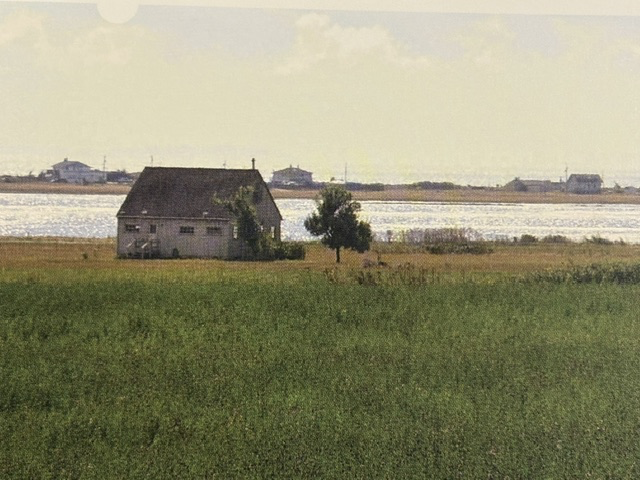
In 1792, Captain George Vancouver explored and charted Puget Sound for Great Britain. Vancouver’s expedition aboard HMS Discovery was the first recorded European exploration of much of Puget Sound, adding another chapter to a region that Indigenous peoples had known and inhabited for thousands of years.
American settlement increased after the Oregon Territory was organized and Congress passed the Donation Land Claim Act of 1850. One of those settlers was Isaac Neff Ebey, who arrived on Whidbey Island in 1850 and claimed land overlooking Admiralty Inlet. The area that became known as Ebey’s Prairie and Ebey’s Landing still carries his name.
The rich soil and relatively mild climate made this an important agricultural area. Farms established during the nineteenth century continued through subsequent generations, creating the patchwork of fields, barns, homes, roads, and small communities that remains visible today. The photograph captures part of what makes this reserve unusual: it is not simply a collection of historic buildings but an entire cultural landscape.
Congress established Ebey’s Landing National Historical Reserve on November 10, 1978. It was the first National Historical Reserve in the National Park System. Unlike a traditional National Park where most of the land is federally owned, much of the property within Ebey’s Landing remains privately owned and actively used. The National Park Service works with local, state, and private partners to preserve the character of the landscape while allowing people to continue living and farming here
Visiting Ebey’s Landing gave us an opportunity to see a different kind of National Park site; one that preserves not just a particular event or building, but an entire landscape and the many generations of people who have shaped it.

Read More From Nancy
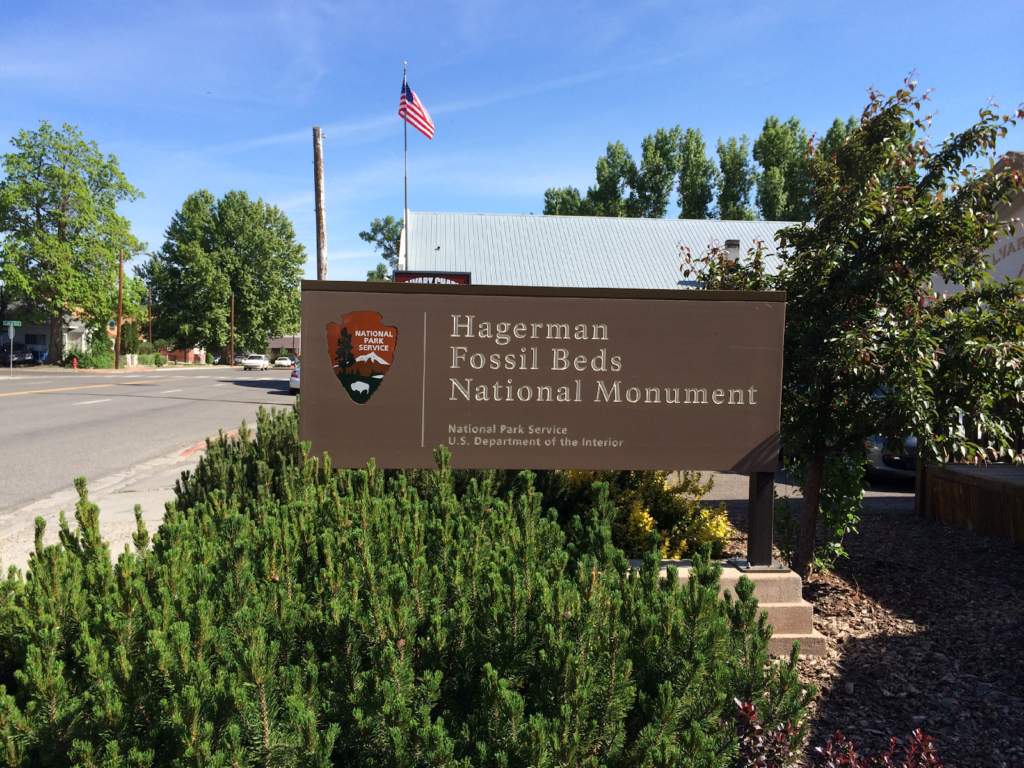
Hagerman Fossil Beds National Monument
Another remarkable place that preserves a much older chapter of Earth’s story is Hagerman Fossil Beds National Monument. Located in southern Idaho, along the Snake River Canyon near the small town of Hagerman, this landscape holds fossil deposits dating back 3 to 4 million years. This region was once very different. Instead of the dry terrain […]
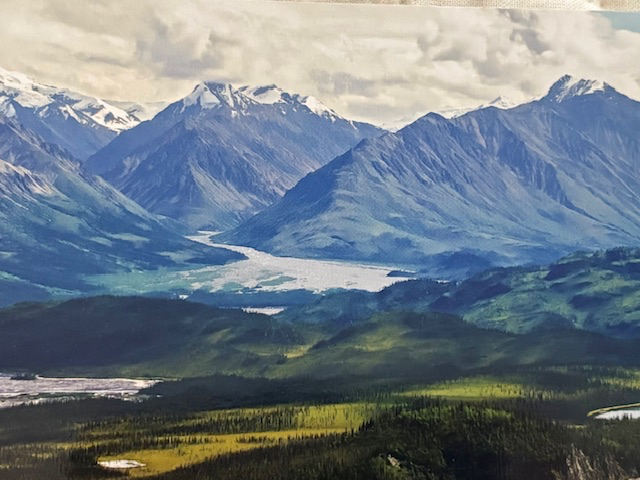
Wrangell-St. Elias National Park
Wrangell-St. Elias National Park and Preserve was part of our 2014 trip to Alaska. We drove into the Wrangell area, and what I most remember is the vast and distant everything felt. This is not an easy part to access. Roads are limited and distances are long. Most of the park is still reached by small […]
North Cascades National Park
North Cascades National Park came into my travels during a visit to Seattle, where Marty was recording techniques classes. With a few hours to myself, I decided to make the drive, about three hours from the city, and what I found felt like stepping into another world They call this region the “North American Alps,” and […]

